
Climate crisis is accelerating antibiotic resistance across world, study says
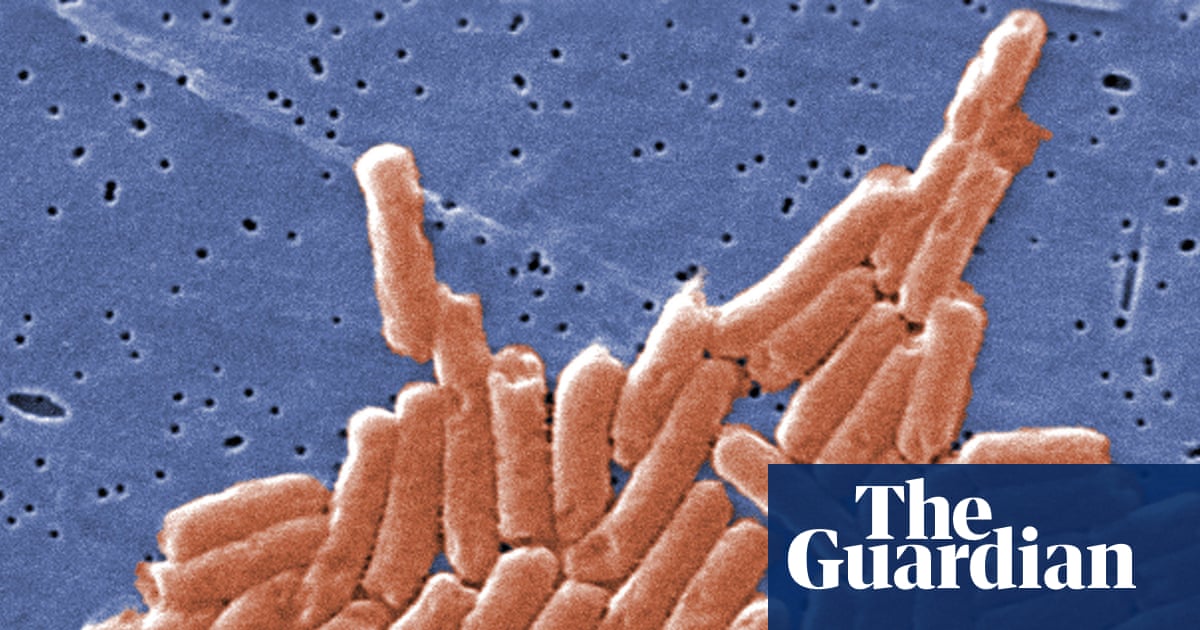
The climate crisis may be helping antibiotic resistance spread through one of the world’s most common bacterial diseases, according to a new international study focused on salmonella. Researchers reported that climate change was associated with a 10% global increase in salmonella antibiotic resistance genes between 1940 and 2023. The finding adds a worrying environmental dimension to antimicrobial resistance, a threat estimated to kill more than 1 million people a year and undermine treatments that modern medicine depends on. It is also a reminder that resistance is not confined to hospitals or prescriptions; it can be shaped by the wider ecological conditions in which bacteria live.
A climate signal in bacterial evolution
The research, published in The Lancet Planetary Health, was led by scientists from the UK, France, Australia, Switzerland and China. The team analysed genomes from more than 480,000 salmonella samples collected in 139 countries over eight decades, then compared resistance patterns with shifts in average temperature and rainfall. The study found increases in antibiotic resistance genes in 82% of the countries examined, with the strongest climate-associated rises in the Middle East and north Africa, followed by south Asia and sub-Saharan Africa.

The authors did not argue that climate has replaced the best-known driver of resistance: the misuse and overuse of antibiotics in humans, animals and agriculture. Instead, they suggest warmer temperatures and changing rainfall can alter the environments in which bacteria survive, move and exchange genetic material. Those changes may make it easier for resistant strains or resistance genes to persist and disseminate across human, animal and environmental reservoirs. The relationship was not a simple straight line, with resistance patterns shifting in more complex ways depending on both heat and precipitation.
The study is careful about causation. It shows a strong association between climate change and resistance genes in salmonella, but does not prove that rising temperatures or altered rainfall directly caused every increase. Even so, the results support a broader One Health approach that treats people, animals, food systems and the environment as connected parts of the same problem. For public health agencies, that means antibiotic stewardship alone may not be enough if surveillance systems fail to account for climate stress, extreme weather, sanitation disruption and the movement of pathogens through water and food networks.
The practical message is that climate policy and health policy are increasingly difficult to separate. Slowing warming, improving disease surveillance, reducing unnecessary antibiotic use and strengthening food safety could all help limit the future burden of resistant infections. As salmonella shows, the risk is not only that climate change makes some diseases more common; it may also make familiar infections harder to treat, especially in regions already facing heat stress and fragile sanitation systems. Source: The Guardian

The practical takeaway is that climate and health policy are increasingly overlapping. Editors can strengthen future updates by looking for regional examples, expert caveats about causality, and guidance on antibiotic stewardship in farming and medicine. The story is strongest when it links a global genomic finding to everyday questions about food safety, infection control and resilient public health systems.
Related articles

One inhibitor, opposite outcome: How a double-target effect could reshape ferroptosis therapies
Switching off an enzyme that plays an important role in sugar metabolism, glycolysis, would normally be expected to cause serious problems for cells. Surprisingly, the opposite is also true: Cells can become highly resistant to a specific form of cell death known as ferroptosis.⮐

Blood proteins flag multiple sclerosis years before diagnosis, opening a window for prevention
A new study has revealed a group of blood proteins that are altered in people who go on to develop multiple sclerosis (MS), in some cases more than a decade before diagnosis. The findings offer hope that a simple blood test could one day identify people at high risk of MS in time to act before damage occurs.

Blood test with AI spots four dementia-related brain diseases with 92.3% accuracy
Many people living with dementia never receive an accurate diagnosis, in part because Alzheimer's disease, Parkinson's disease and related conditions are notoriously difficult to tell apart and often occur together. Now, a new tool based on artificial intelligence and a simple blood draw may provide clarity.