
‘Hidden datacentre tax’ costing Irish households millions, report says

Ireland's datacentre boom is facing fresh scrutiny after a report argued that large server farms have quietly shifted hundreds of euros in electricity costs onto ordinary households. The study, commissioned by Friends of the Earth Ireland and Beyond Fossil Fuels, says datacentres used 22% of the country's electricity last year, more than all urban homes combined. Its authors call the effect a hidden datacentre tax because the costs appear through higher power bills rather than through a direct charge.
How power demand can change bills
The report's central argument is about the way electricity markets set prices. Datacentres need steady power around the clock, while Ireland's grid still relies heavily on gas when renewable generation is not enough. The authors say that this large, inflexible demand increases the number of hours in which gas plants set the market price. When wind is abundant, prices can fall; when gas becomes the marginal source, households feel the hit more directly, especially during wider energy shocks. In practical terms, a server farm can make demand less flexible on cold, still or peak days, leaving cheaper renewables unable to fully displace fossil generation.

According to the modelling cited by The Guardian, datacentres drained €715m from the Irish economy and added an average cumulative €360 to household bills between 2015 and 2023. Looking ahead, the report estimates that households could pay a further €295 to €644 on average from 2025 to 2034, depending on how quickly the sector expands. The warning lands as artificial intelligence services, cloud computing and streaming continue to increase the appetite for energy-intensive infrastructure across Europe.
The findings are contested. Datacentre industry groups say investors have brought billions of euros into Ireland, pay network charges and commercial electricity costs in line with their usage, and help fund public services through corporate tax receipts. The Irish government has also broadly backed the sector, describing datacentres as important to a technology-rich economy. Supporters argue that strict requirements for additional renewable capacity make Ireland's rules among the toughest in Europe. They also point to construction jobs, supply-chain spending and the tax base created by multinational technology companies as benefits that do not show up in a household-bill model.
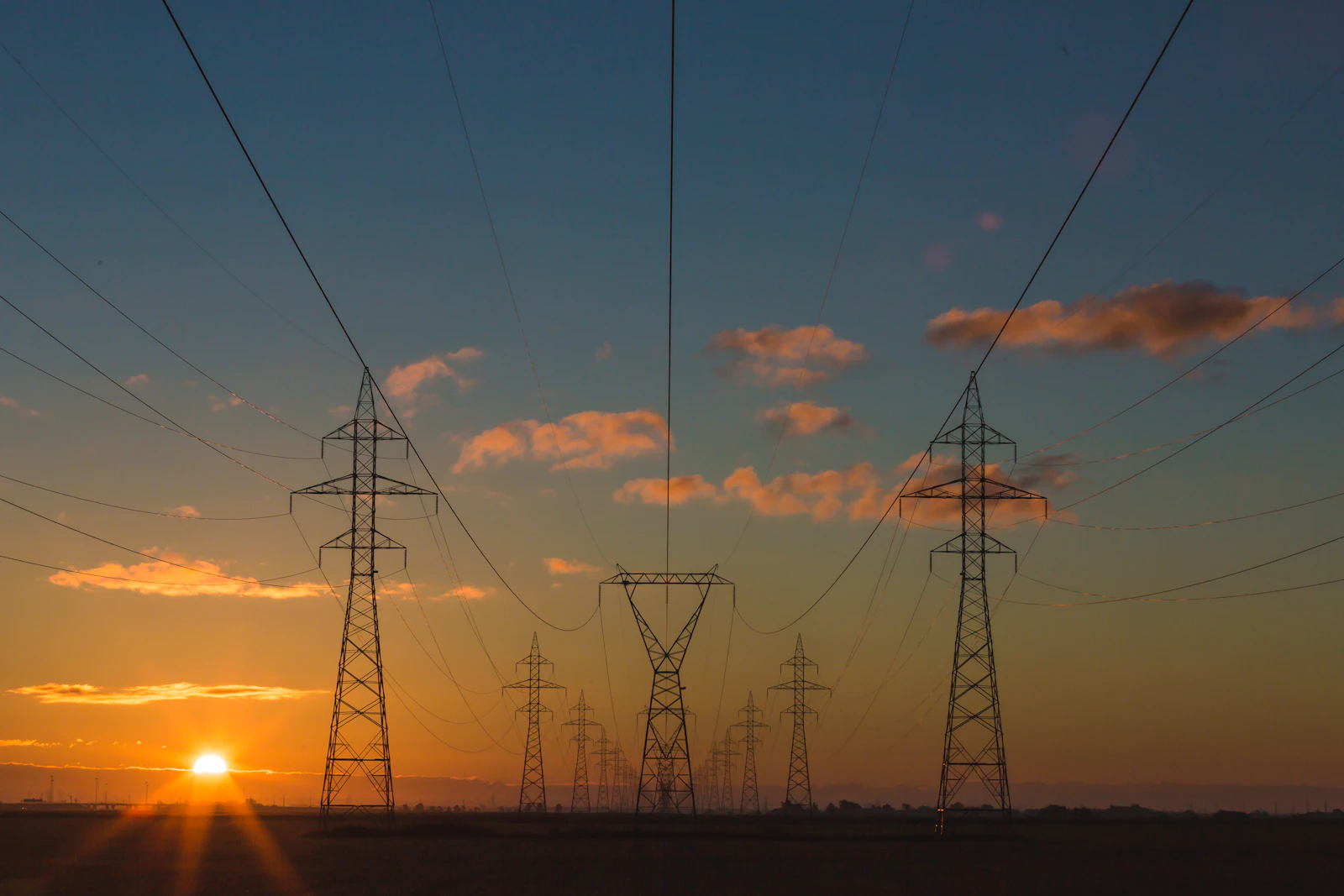
The dispute leaves policymakers with a difficult balance: digital infrastructure is economically valuable, but its electricity demand can shape bills and emissions beyond the site fence. The report's authors want stronger safeguards so new facilities add clean power rather than intensify reliance on gas. Regulators may also need clearer accounting for grid upgrades, reserve power and long-term contracts, so consumers can see whether costs are being socialised or matched by new capacity. Whether Ireland becomes a warning or a model may depend on how clearly those costs are measured and who is asked to pay them. Source: The Guardian Technology.
Related articles

Hacked, leaked, and held for ransom: the worst breaches of 2026 so far
From a massive DOGE data breach and the hacking of critical energy and water systems to the hack of an FBI surveillance system, here are the most damaging security incidents and data breaches of 2026.

Create AI images with your own API key
aixipi runs on desktop/web, uses your own model API balance, and avoids subscription lock-in.
Try aixipi →
TechCrunch Mobility: Inside GM’s $900M EV battery gamble
Welcome back to TechCrunch Mobility — your central hub for news and insights on the future of transportation.

OpenAI is still working on that ‘super app’
"Chat is dead" — at least, according to a senior OpenAI employee.