
How you can save money on your energy bill
Winter is coming — and so are higher bills
With energy prices remaining stubbornly high and winter on the horizon, households across the UK are looking for ways to reduce their energy bills without sacrificing comfort. Energy experts say that taking action now — rather than waiting for the first cold snap — can make a significant difference to how much you pay over the coming months.
The latest figures from energy market analysts show that while wholesale gas prices have eased from the peaks seen during the global energy crisis, retail tariffs have not fallen proportionally. Many households are still paying well above pre-crisis levels, with the average annual dual-fuel bill hovering around £1,800 — more than double the typical cost from three years ago.

Simple steps that add up
Energy saving specialists recommend several low-cost measures that can yield meaningful reductions in household consumption. Insulating your home properly is the single most effective step: draught-proofing windows and doors, adding loft insulation and insulating behind radiators can collectively reduce annual heating costs by up to £400. Lowering your boiler flow temperature from the default 70°C to 55°C can also trim heating bills by roughly 6-8% without noticeably reducing comfort levels.
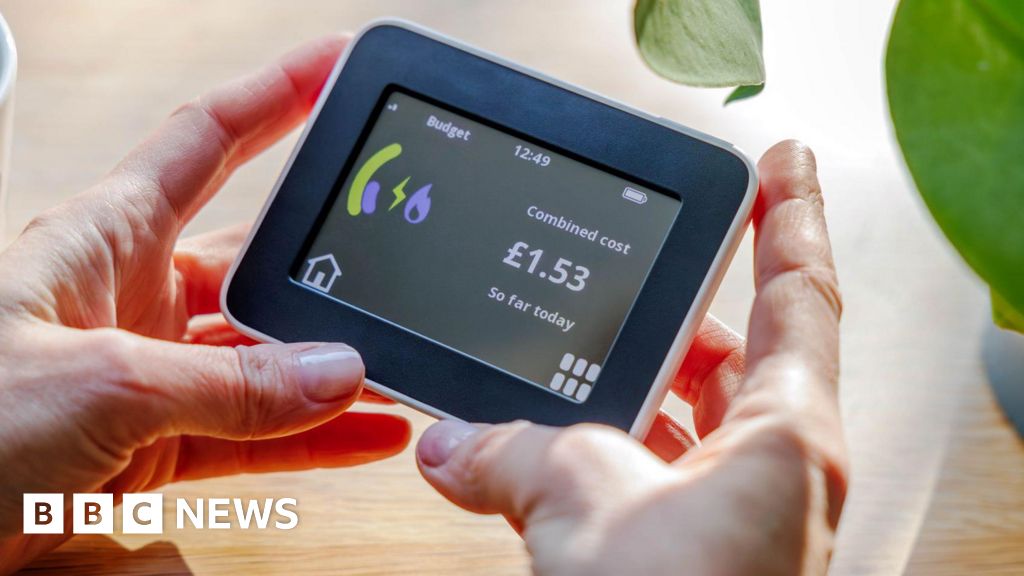
Smart meters, now fitted in most UK homes, can help by providing real-time consumption data that makes it easier to identify energy-guzzling appliances and adjust usage patterns. Time-of-use tariffs, where electricity costs less during off-peak hours, are also becoming more widely available and can help households that can shift their high-consumption activities — like running the washing machine or charging an electric vehicle — to cheaper overnight periods.

Switching and government support
Despite years of campaigning by consumer groups, millions of households are still on their energy supplier's standard variable tariff, which is often the most expensive option. Experts urge consumers to compare deals at least once a year, using price comparison websites to check whether a fixed-rate tariff could offer savings. Some suppliers are now offering discounts for customers who pay by direct debit, manage their account online or use paperless billing.
For households struggling the most, the government's Warm Home Discount scheme continues to provide a £150 rebate on electricity bills for eligible low-income households, while the Energy Company Obligation programme funds free insulation and boiler upgrades for those on certain benefits. Local councils also offer discretionary support through the Household Support Fund, which can help with emergency fuel costs during particularly cold periods.

Source: BBC News
Related articles

Harry's and Coterie owner Mammoth Brands has ambitions to be the next CPG giant
Mammoth's direct-to-consumer brands have helped upend the razor, diaper and deodorant categories.

Create AI images with your own API key
aixipi runs on desktop/web, uses your own model API balance, and avoids subscription lock-in.
Try aixipi →
Don’t rule out a ‘June swoon’ — the S&P 500 is pushing its limits
Even upbeat Oracle earnings next week might not be enough to rally the market.

Wall Street hated these 15 stocks. Then their earnings proved the analysts wrong.
Earnings beats mean a lot more when it happens to stocks the market gave up on.