
Iran and U.S. ramp up tit-for-tat strikes as Khamenei laid to rest
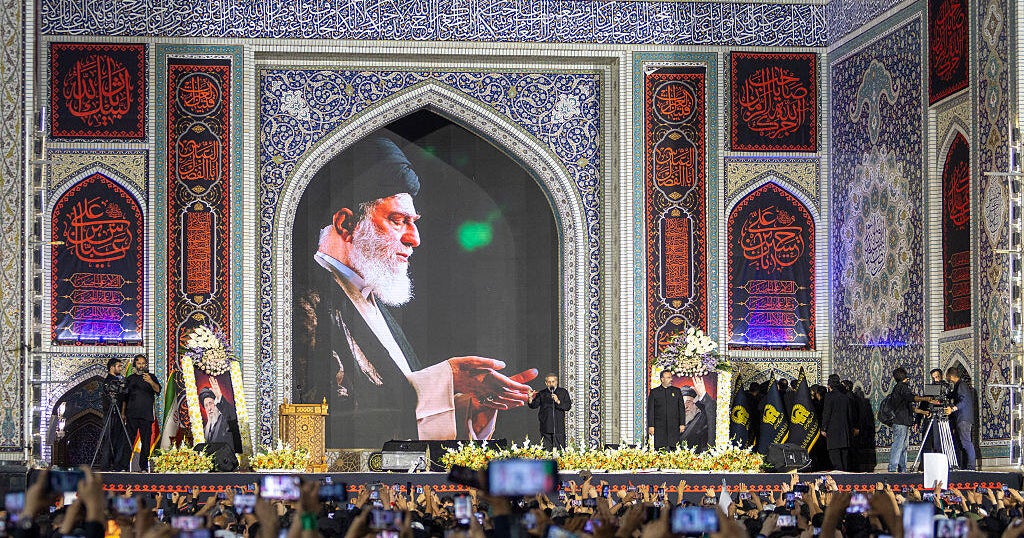
Tensions between Washington and Tehran escalated further this week after a U.S. official said President Trump now regards a series of Iranian strikes on commercial oil tankers as acts of terrorism, dealing a fresh blow to a ceasefire that has struggled to hold. The strikes, which hit three tankers passing through the Strait of Hormuz, come as Iran buries Supreme Leader Ayatollah Ali Khamenei, a moment that has left the country's leadership in flux even as hostilities with the United States continue to flare.
According to a U.S. official who spoke to CBS News on Thursday, the president views the tanker attacks earlier in the week as deliberate acts of terror rather than isolated incidents of military escalation. The Strait of Hormuz, a narrow waterway between Iran and the Arabian Peninsula, carries a substantial share of the world's seaborne oil exports, making any attack there a matter of global economic concern as well as regional security.
The same official explained that the 60-day truce reached between the two countries last month was never unconditional — it was designed to be judged on Iran's conduct going forward. Measured against that standard, the official said, Tehran's role in the tanker strikes represented a serious breach, describing Iran's compliance as having fallen far short of what the agreement required.
Despite that assessment, the official indicated the door to diplomacy has not been fully shut. Lower-level "technical talks" between American and Iranian representatives are said to be ongoing, suggesting that even as military tensions rise, both sides are keeping some channel of communication open behind the scenes.
Mr. Trump's own public remarks this week have been more blunt. Asked on Wednesday about the status of the ceasefire, he said flatly that as far as he was concerned it had effectively ended. Yet in the same breath, he signaled that efforts toward a broader peace agreement had not been abandoned, asserting that Iranian leaders remain eager to reach a deal with Washington.
The mixed messaging reflects the broader unpredictability that has defined the conflict since fighting first erupted between the two nations. A ceasefire negotiated only weeks ago was meant to pause direct confrontation, but the tanker attacks in the Strait of Hormuz have reignited fears that the truce could collapse entirely, drawing in shipping companies, insurers and energy markets that depend on safe passage through the corridor.
Khamenei's death and funeral add another layer of uncertainty to the standoff, raising questions about who will steer Iran's foreign policy at a moment when the country is simultaneously managing a leadership transition and a volatile military standoff with the United States. Analysts have cautioned that a change atop Iran's clerical establishment could either open space for renewed negotiations or harden factions inclined toward confrontation, and it remains unclear which path Tehran's next leadership will favor.
For now, officials on both sides describe the situation as fluid, with formal negotiations effectively paused even as technical-level contacts persist. Whether the ceasefire can be salvaged — or whether the tanker strikes mark the start of a new phase of open conflict — is likely to depend on Iran's next moves in the Strait of Hormuz and how forcefully Washington chooses to respond.
Source: CBS World
Related articles
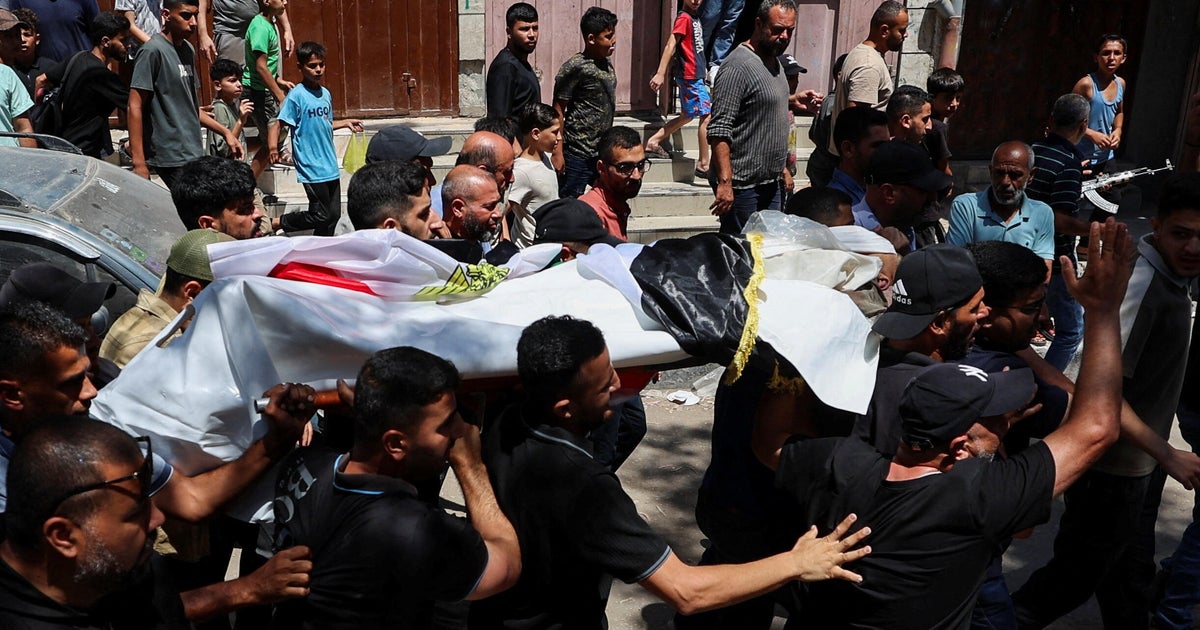
Israeli strike kills aid worker who brought World Cup screenings to Gaza
An Israeli strike has killed an aid worker who organized World Cup game screenings for Palestinians in the war-torn Gaza Strip, a hospital director says.

Create AI images with your own API key
aixipi runs on desktop/web, uses your own model API balance, and avoids subscription lock-in.
Try aixipi →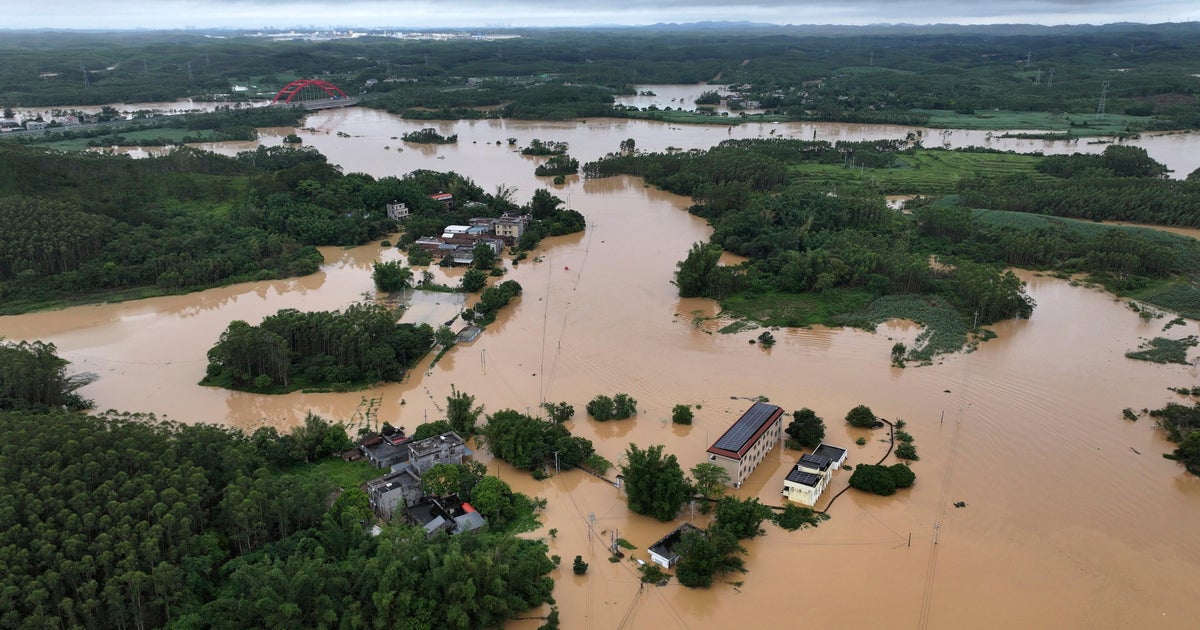
39 killed in southern China flooding after days of heavy rain
Authorities in southern China say 39 people have died in flooding after days of heavy rainfall from a tropical storm.
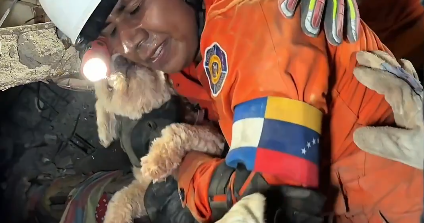
Dog pulled from rubble 5 days after Venezuela quakes, video shows
Dramatic video showed the moment a rescue team pulled a small dog from the rubble nearly a week after twin earthquakes devastated Venezuela.