
Iran vows to resist U.S. sanctions as war passes 6-month mark
Iran has signaled that it intends to continue resisting U.S. sanctions as the conflict reaches its sixth month, with neither side publicly indicating a willingness to retreat. The latest pressure point is financial rather than military: U.S. action aimed at an Egyptian state-owned bank has prompted an urgent response from the United Arab Emirates’ central bank, widening the economic consequences of a war that has yet to show a clear path toward de-escalation.
The UAE’s central bank said on Saturday that it will carry out a special inspection of branches operated in the country by Banque Misr, a major Egyptian bank owned by the state. The review follows a U.S. decision to sever those UAE operations from the American financial system. Washington’s measure is part of its broader effort to restrict the channels through which Iran can maintain economic connections during the conflict.
In its statement, the Emirati regulator said the examination would be both urgent and exceptional. It will include a forensic, retrospective review of the period identified by U.S. authorities, according to the central bank. That language indicates that the inquiry is designed not only to assess present operations, but also to examine past activity connected to the concerns raised by Washington.
The U.S. move was announced after Treasury Secretary Scott Bessent said on Friday that parties helping Iran should not retain access to the dollar-based financial system or international finance. His statement placed the bank action within a larger sanctions strategy: pressuring institutions and intermediaries that U.S. officials believe may help Tehran blunt the effects of economic restrictions.
The decision puts the UAE in a consequential position. Its central bank is responding with its own regulatory process after a U.S. measure affecting a foreign lender operating on Emirati soil. The case also brings Egypt into the expanding financial dimension of the war, even though the immediate issue concerns Banque Misr’s branches in the UAE rather than the bank’s entire operation.
For Iran, the episode underscores the difficulty of resisting sanctions when enforcement reaches beyond direct dealings with Iranian entities. U.S. restrictions can affect banks and businesses elsewhere when their access to American financial infrastructure is at stake. Tehran’s pledge to withstand the pressure suggests that sanctions are unlikely, by themselves, to produce a quick change in its position as the war enters a new phase.
Washington’s perspective is that financial access is a tool for limiting support that enables Iran to operate despite sanctions. The Treasury secretary’s comments made clear that the administration views outside assistance as part of the enforcement challenge. Iran’s stated position, by contrast, is one of continued resistance, leaving the two sides publicly far apart after six months of conflict.
The case also highlights the choices facing financial regulators outside the United States. A bank’s ability to participate in international transactions can be affected when its relationship with the U.S. financial system is restricted. The UAE review may therefore be closely watched as an indication of how local authorities respond when U.S. sanctions enforcement intersects with banks operating in their jurisdictions.
There are still important limits to what is known from the announcements. The UAE central bank has said it will investigate Banque Misr’s UAE branches, but the statement does not establish the outcome of that review. Nor does the disclosed information indicate what, if any, additional action the Emirati regulator may take after examining the relevant period.
The next developments to watch are the findings of the UAE review and whether the United States extends similar pressure to other institutions it considers connected to Iran’s economic support network. For now, the bank case illustrates how a conflict that has lasted half a year is being fought through regulatory decisions and financial access as well as through the wider political confrontation. With no public sign of either side easing its stance, the sanctions dispute is likely to remain a central test of the war’s next stage.
Source: CBS World
Related articles
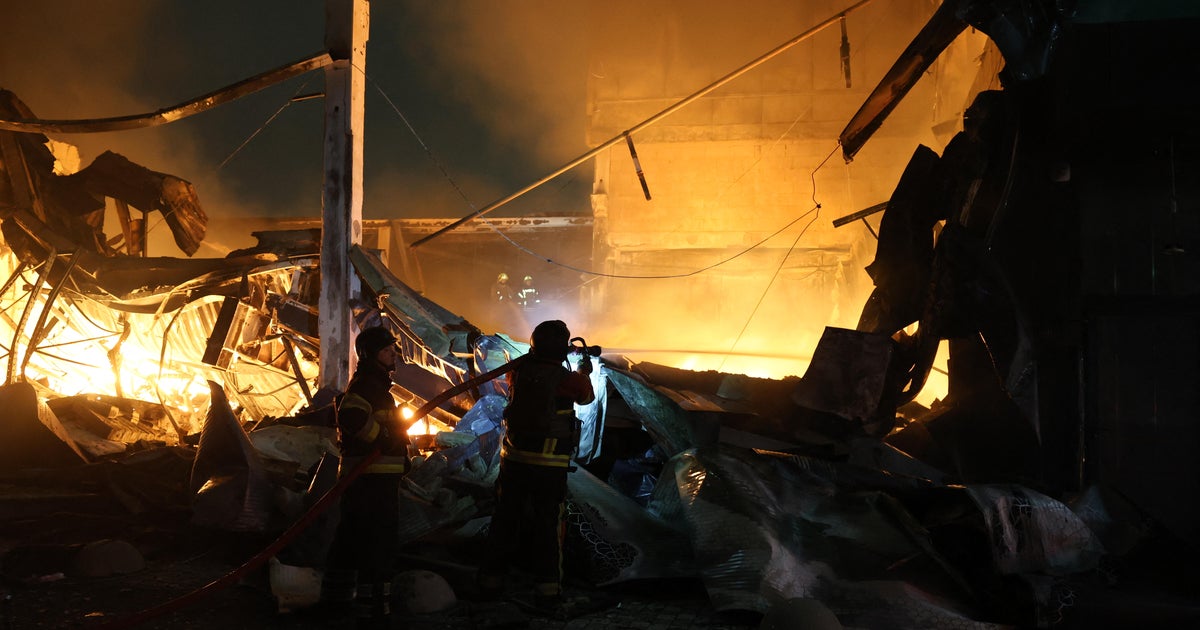
Zelenskyy accuses Russia of using cluster warheads in deadly strikes
Russia launched the strikes on Ukraine less than a day after negotiations to end the war, which also involved the United States, ended in St. Petersburg.

Create AI images with your own API key
aixipi runs on desktop/web, uses your own model API balance, and avoids subscription lock-in.
Try aixipi →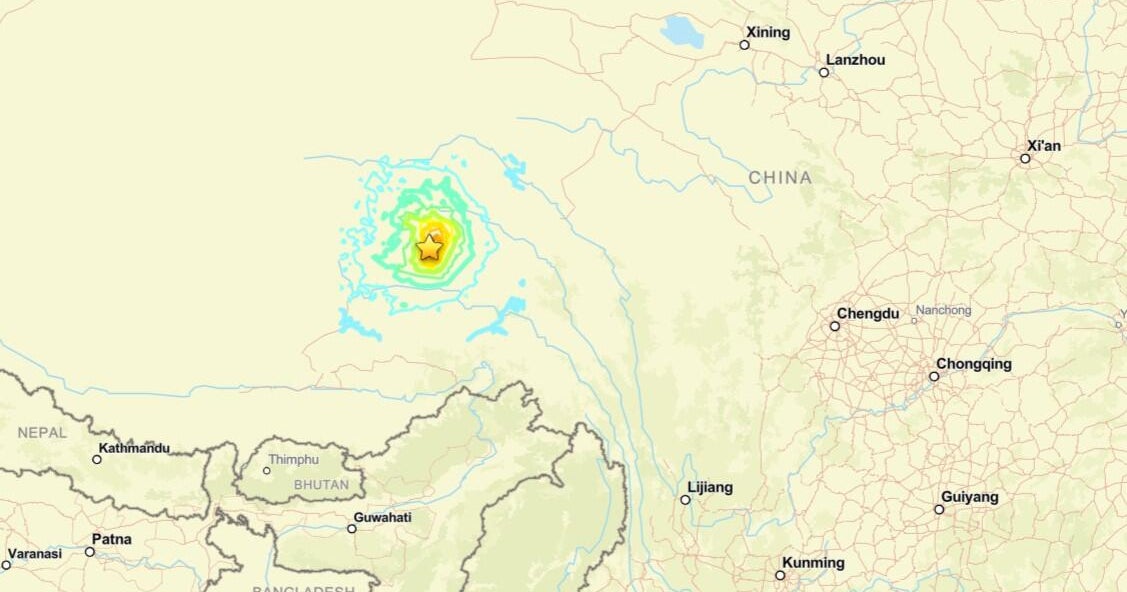
At least 16 dead when powerful 7.0 magnitude earthquake strikes Tibet
It was the biggest earthquake in the region in the last five years, China

See how Big Tech is transforming Spain's landscape
A drought-stricken region of northeast Spain has become a focus for American companies searching for locations to place their data centers.