Microsoft logs $3.2B from Anthropic investment, but OpenAI was a mixed bag
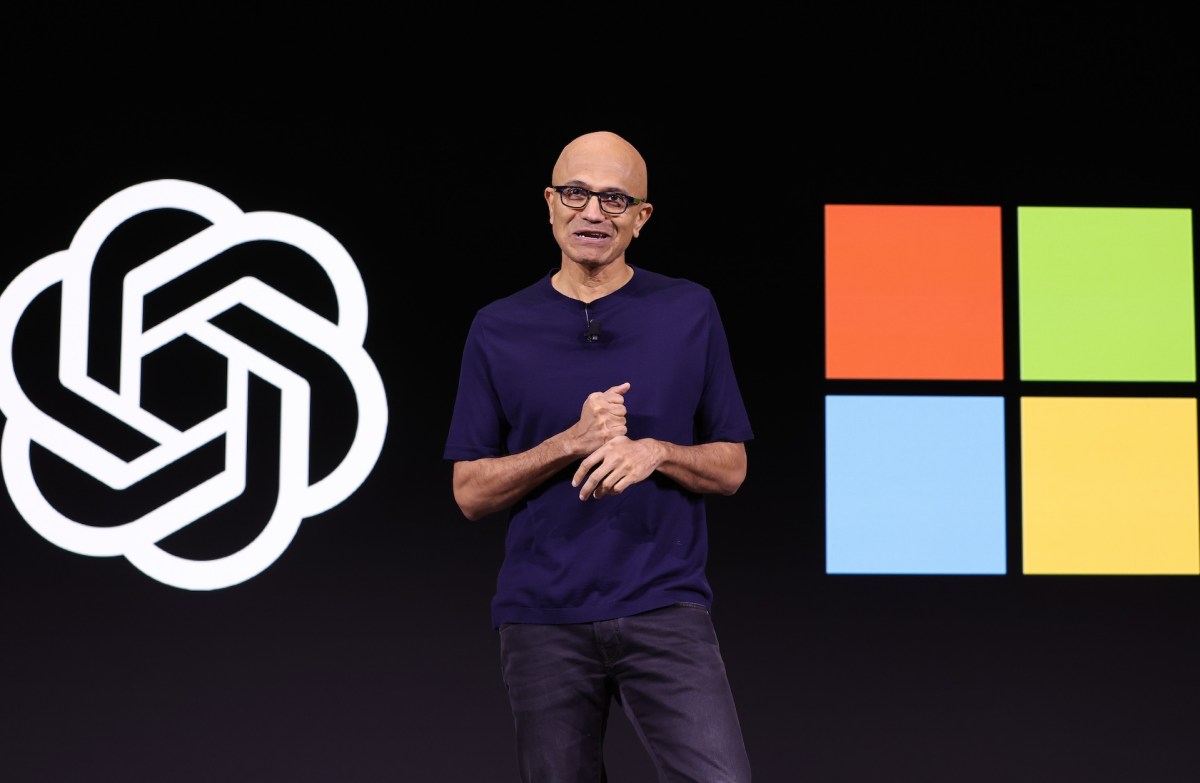
Microsoft’s latest quarterly results revealed sharply different accounting outcomes from its stakes in two rival artificial-intelligence developers. In the final quarter of its 2026 fiscal year, the company recognized a $3.2 billion gain connected to Anthropic, while recording an approximately $600 million reduction in the carrying value of its OpenAI investment. The contrasting entries appeared alongside Microsoft’s financial results for the three months ending June 30. They gave investors a more detailed view of how two prominent AI partnerships affected the quarter’s reported numbers.
The Anthropic-related gain added 33 cents to Microsoft’s diluted earnings per share for the quarter. Microsoft reported diluted EPS of $4.81, meaning the investment adjustment was a meaningful contributor to the reported per-share figure. The company did not present the Anthropic gain as a routine quarterly reassessment, making the disclosure particularly notable in an earnings report otherwise focused on its broader financial performance. A per-share measure is closely watched because it indicates how much profit is attributed to each diluted share.
Microsoft put $5 billion into Anthropic in November 2025. That transaction was tied to a wider commercial arrangement: Anthropic agreed to purchase $30 billion in Azure services. The structure connected Microsoft’s ownership interest in the AI company with a substantial customer commitment to its cloud-computing platform, placing the investment within a relationship that included both financing and future demand for infrastructure.
Anthropic and OpenAI compete in the market for advanced AI models and related services. Microsoft’s disclosures therefore offer a snapshot of how accounting for investments in two competing labs can pull in opposite directions during the same reporting period. The gains and losses do not describe a single uniform outcome for Microsoft’s AI strategy; rather, they show that the value assigned to separate holdings can change differently. They also underline the complexity of maintaining relationships with companies that pursue similar technology markets while each has its own commercial and financial arrangements with Microsoft.
Microsoft does not normally provide a fresh quarterly valuation update for its Anthropic position. Its treatment of the OpenAI stake is different: the company discusses that investment every quarter. That difference in disclosure practice limits a direct, like-for-like reading of the two figures, even though both were included in the latest results and both affected reported earnings. The Anthropic gain nonetheless made its effect on the quarter unusually clear because Microsoft disclosed both the dollar amount and the associated EPS contribution.
For OpenAI, Microsoft said the quarter brought a markdown of roughly $600 million. The reduction lowered diluted EPS by about seven cents per share. Set against the 33-cent contribution from the Anthropic gain, the OpenAI adjustment was smaller in absolute effect but still material enough to make the company’s AI investment performance look uneven rather than uniformly positive.
The figures also illustrate why investors may distinguish between Microsoft’s operating performance and the accounting effects of strategic holdings. A gain or markdown on an investment can influence a quarter’s reported profit and per-share earnings, while standing apart from the company’s day-to-day sales of products and services. In this case, the disclosed movements added another layer to the results of a company that has made major commitments across the AI sector. The disclosures do not, on their own, establish a single ranking of the two businesses; they record how Microsoft accounted for the positions during this particular quarter.
Microsoft’s Anthropic investment is also notable because of the Azure purchase agreement attached to it. The $30 billion service commitment gives the relationship a commercial dimension beyond the initial $5 billion investment. For Microsoft, that makes future attention likely to focus not only on the stated value of the stake, but also on how the cloud-services arrangement develops over time.
What comes next may be clearer in future quarterly filings, particularly for the OpenAI investment, which Microsoft addresses regularly. Anthropic’s valuation, by contrast, may remain less visible from quarter to quarter if Microsoft maintains its existing disclosure approach. For now, the latest report shows a large recognized benefit from one AI-lab stake and a smaller, negative accounting adjustment for the other. The next disclosures will help show whether that divergence was confined to this reporting period or becomes a continuing feature of how the two investments affect Microsoft’s financial statements.

Source: TechCrunch
Related articles


Create AI images with your own API key
aixipi runs on desktop/web, uses your own model API balance, and avoids subscription lock-in.
Try aixipi →
Encore AI raises $30M to build AI agents that learn from customer calls
The startup analyzes calls, messages and CRM data to identify effective sales techniques and turn them into playbooks for AI agents.

As AI content floods the internet, Pangram raises $9M to detect it
Pangram has raised $9 million to scale its AI detection software. The startup has also released a new AI text detection model, Pangram 4, and an AI image detection model in research preview.