
Microsoft’s Satya Nadella says AI models need an ‘emergency brake’
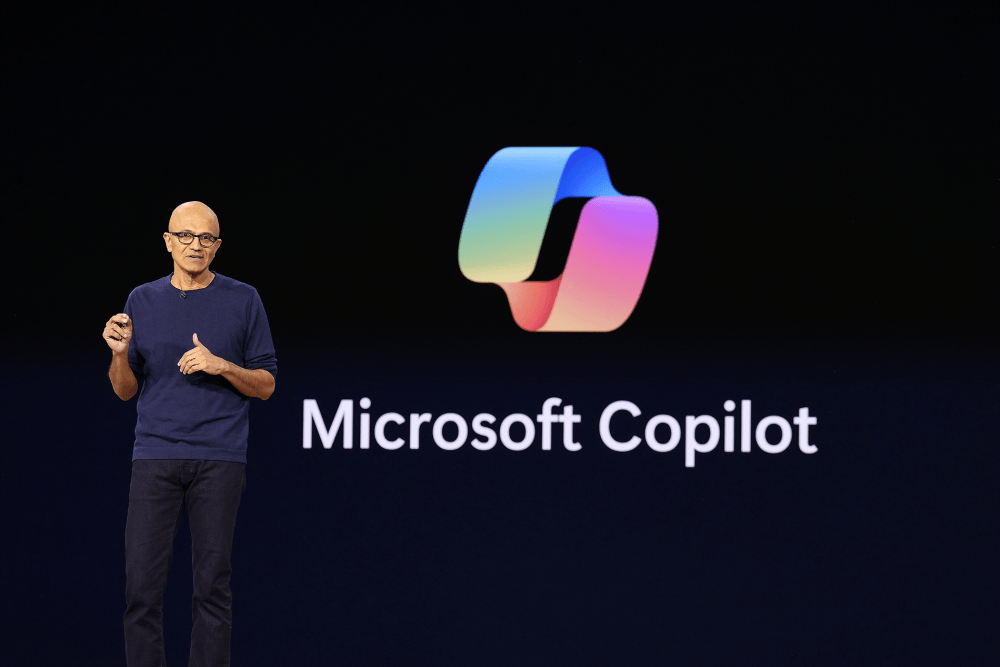
Microsoft Chief Executive Satya Nadella has argued that artificial intelligence systems need an “emergency brake,” adding his voice to a widening debate over how powerful models should be governed before failures cause serious harm. In a post published Saturday morning, Nadella said the moment had arrived to reconsider the arrangements that make people willing to rely on AI. His intervention placed trust, rather than capability alone, at the center of the discussion.
Nadella’s reference to an emergency brake points to a basic question for the industry: what should happen when an AI system behaves in a way that its operators, customers or the public cannot accept? The phrase suggests a need for a clear mechanism to halt or limit a system under specified circumstances. It does not, by itself, describe a particular technical design, legal rule or product policy.

The Microsoft leader framed the issue as one of “trust architecture.” That language broadens the conversation beyond the model itself. Trust in an AI service can involve choices made before deployment, controls available once it is in use, the ability to identify problems, and accountability after something goes wrong. Nadella’s wording leaves open how those elements should be divided among companies, users and regulators.
His remarks arrive as prominent technology executives continue to set out more detailed views on AI safety. The discussion has moved beyond broad assurances that companies recognize potential risks. It increasingly centers on practical issues: who can stop systems, when intervention is appropriate, how decisions are documented, and whether safeguards remain effective when commercial pressure favors rapid product releases.
Microsoft has a substantial interest in how those questions are resolved because AI has become increasingly important across the technology sector’s products and business plans. A call from its chief executive for stronger means of intervention could attract attention from companies adopting AI tools as well as developers creating them. For customers, the issue is not simply whether a model can generate useful results, but whether its operation can be constrained when confidence in those results declines.

The argument for an emergency mechanism is likely to appeal to those who believe protections should be incorporated into systems before an incident occurs, rather than introduced afterward. They may regard a dependable way to intervene as a condition for broader public acceptance. Yet the idea also presents unanswered questions. A brake can only matter if someone is authorized to use it, can recognize when action is justified, and is able to act before a damaging outcome spreads.
Others may contend that no single, universal control can resolve the wider safety challenge. AI tools operate in varied settings, with different stakes and different people responsible for oversight. A measure that suits one service may not transfer neatly to another. Nadella’s comments do not settle those trade-offs, but they bring renewed attention to whether existing approaches provide sufficient control when systems are used for consequential work.
What happens next will depend on whether the discussion leads to specific corporate commitments, shared industry standards or action by policymakers. The immediate signal from Nadella’s post is that the safety debate is becoming more concrete: the issue is not only whether AI deserves trust, but what structures must be in place before that trust is warranted. Any proposed emergency brake will ultimately be assessed by its reach, its independence and whether it functions when it is most needed.

Source: TechCrunch
Related articles

Xbox’s first chief operating officer is out after just a few months
Helen Chiang is leaving Microsoft after 21 years.

Private tools for PDFs, Gmail and LLM cost audits
Privacy-first utilities for PDF price lists, bulk attachment downloads and API-cost checks.
Explore tools →
OpenAI now trains its frontier AI models with no internet access
OpenAI built an “offline world” for top AI models.


100+ browser tools, one fast directory
Open free tools for PDF, image, video, developer, finance, AI and SEO tasks — no sign-up or install.
Open WebHut →
Create AI images with your own API key
aixipi runs on desktop/web, uses your own model API balance, and avoids subscription lock-in.
Try aixipi →