
Nasa unveils next steps to build permanent Moon base
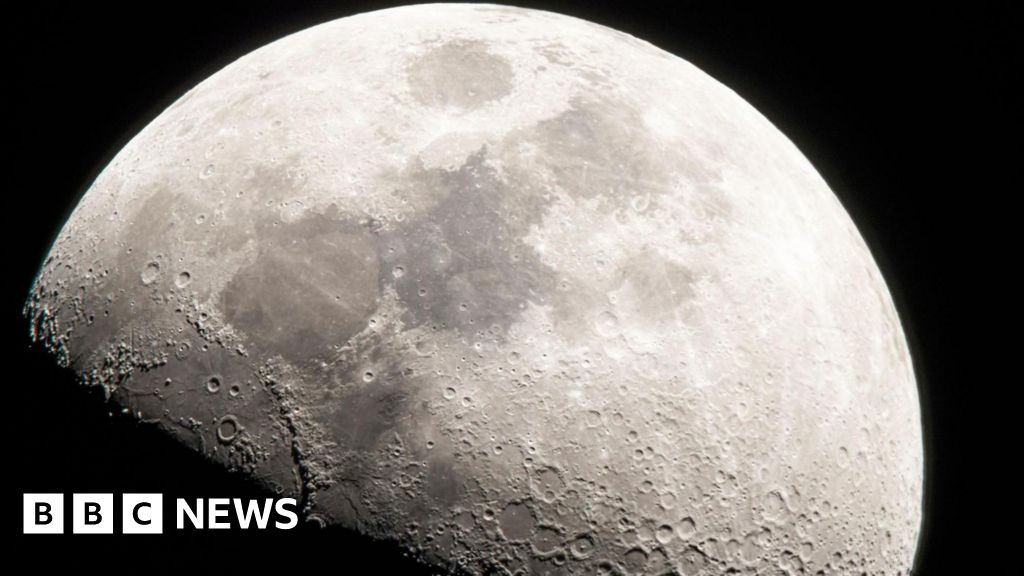
NASA has announced ambitious new details for the construction of a permanent lunar base, outlining a multi-phase plan that would see astronauts living and working on the Moon for extended periods within the next decade. The announcement, made during a press conference at the agency's headquarters in Washington, D.C., represents the most concrete roadmap yet for establishing a sustained human presence beyond low Earth orbit.
The Artemis Base Camp vision
The proposed outpost, referred to as the Artemis Base Camp, would be situated near the lunar south pole, a region of strategic scientific and operational interest. The south pole offers access to permanently shadowed craters that contain water ice, a resource that could be processed into drinking water, breathable oxygen, and rocket fuel. NASA's plan envisions a modular habitat constructed using a combination of prefabricated components delivered from Earth and in-situ resources utilising lunar regolith for radiation shielding and 3D-printed structures.

The base would initially support crews of up to four astronauts for stays of one to two months, with the capability to expand over time to accommodate larger crews and longer-duration missions. Key infrastructure elements include a pressurised rover for surface exploration, a power system based on solar arrays and small nuclear fission reactors, and landing pads designed to minimise the dispersal of lunar dust, which poses significant risks to equipment and human health.
"This is not just about planting a flag and leaving footprints. We are building the infrastructure that will allow humanity to stay on the Moon, to work there, to learn there, and to prepare for the even greater challenge of sending humans to Mars," said NASA Administrator Bill Nelson during the announcement.
Scientific and commercial opportunities
The lunar base would serve as a platform for a wide range of scientific investigations that are impossible to conduct from Earth or from orbiting spacecraft. These include studies of lunar geology to understand the early history of the Solar System, astronomical observations from the far side of the Moon without interference from Earth-based radio signals, and biomedical research into the long-term effects of low gravity on the human body. The south pole location also offers near-continuous sunlight for solar power generation at certain elevated ridges, while providing access to the shadowed craters for resource extraction.

NASA has emphasised the commercial dimensions of the project, seeking partnerships with private companies to develop transportation services, habitat modules, and resource utilisation technologies. The agency has already awarded contracts to companies including SpaceX, Blue Origin, and Astrobotic for lunar landing systems and cargo delivery services. The commercial involvement is expected to reduce costs and accelerate the timeline for base construction, while also fostering a broader lunar economy that could eventually support tourism, mining, and manufacturing activities independent of government funding.
Timeline and challenges ahead
The Artemis programme has faced repeated delays and budget overruns, with critics questioning whether the current timeline is realistic. NASA projects that the first crewed landing at the south pole could occur as early as 2027, with the initial habitat modules delivered by 2029 and a permanently staffed base operational by the mid-2030s. Significant technical challenges remain, including developing reliable life support systems for extended surface operations, protecting astronauts from radiation exposure, and managing the psychological challenges of long-duration isolation in an extreme environment.

Source: BBC News — Nasa unveils next steps to build permanent Moon base
Related articles

Hacked, leaked, and held for ransom: the worst breaches of 2026 so far
From a massive DOGE data breach and the hacking of critical energy and water systems to the hack of an FBI surveillance system, here are the most damaging security incidents and data breaches of 2026.

Create AI images with your own API key
aixipi runs on desktop/web, uses your own model API balance, and avoids subscription lock-in.
Try aixipi →
TechCrunch Mobility: Inside GM’s $900M EV battery gamble
Welcome back to TechCrunch Mobility — your central hub for news and insights on the future of transportation.

OpenAI is still working on that ‘super app’
"Chat is dead" — at least, according to a senior OpenAI employee.