
Salmonella infections in England at highest level in a decade, figures show

England recorded its highest number of salmonella infections in a decade in 2025, with 10,406 laboratory-confirmed cases of non-typhoidal salmonella, the form most commonly linked to contaminated food. The total was slightly higher than 2024 and 26% above the 8,242 cases logged in 2016. The infection rate has also climbed over that period, from 14.9 cases per 100,000 people to 17.8 per 100,000, according to figures released by the UK Health Security Agency. Because the figures rely on laboratory confirmation, they should be read as a clear signal of sustained transmission rather than a complete count of every stomach bug in the community. The rise matters because salmonella can turn a routine meal into days of illness and, for vulnerable people, a hospital admission.
Foodborne illness remains stubbornly high
Salmonella was not the only concern in the new data. Campylobacter infections, another major cause of bacterial food poisoning, fell only marginally year on year, from 70,392 cases to 69,394. Health officials said both infections remain consistently high and can spread through contaminated food or water, close contact with an infected person, contact with animals, or cross-contamination in kitchens. Symptoms can include diarrhoea, vomiting, fever and abdominal pain, and while most people recover, the illness can be severe for children, older adults and people with weakened immune systems.
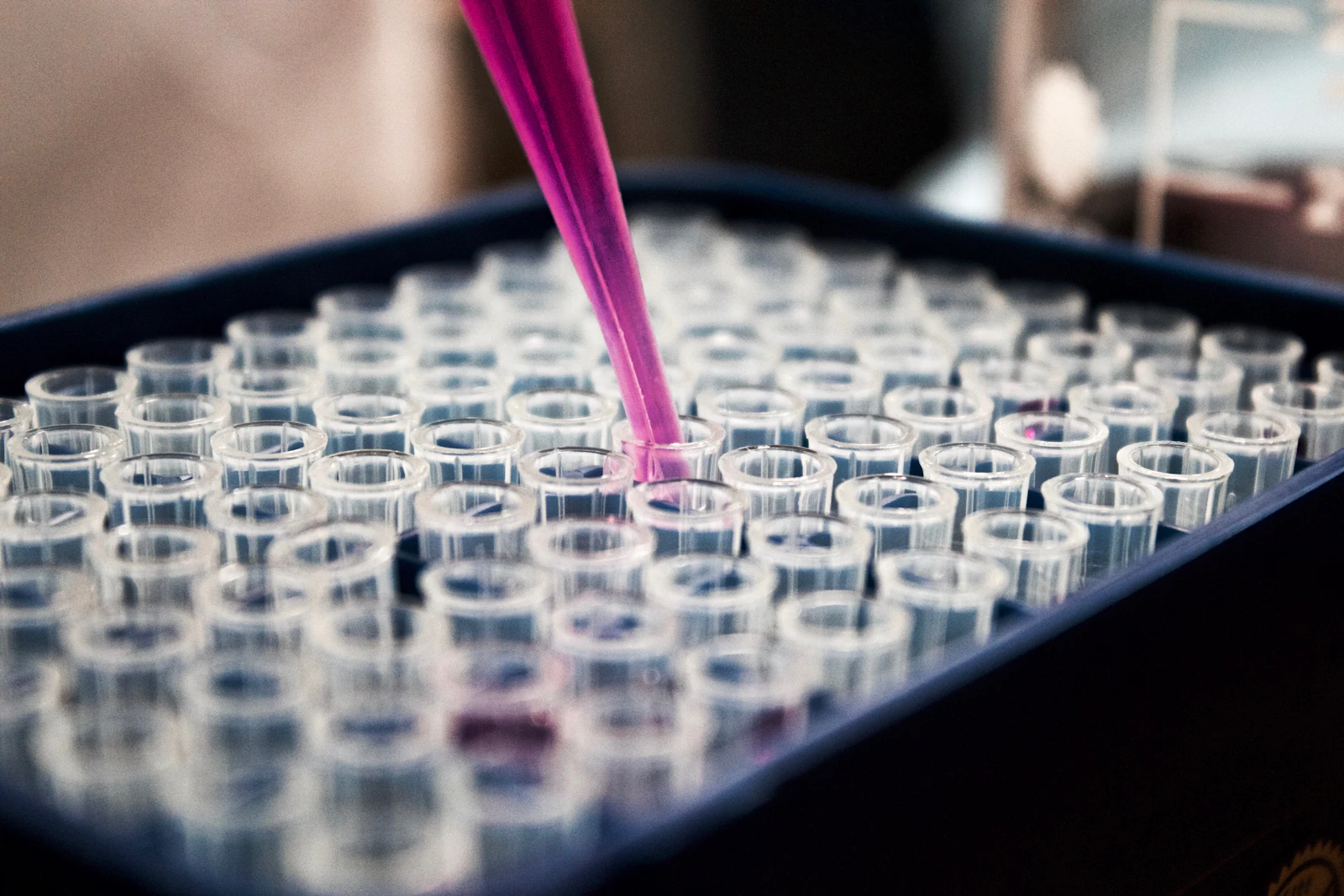
The UKHSA figures suggest children aged up to nine are most affected by salmonella, with cases distributed fairly evenly between men and women and peaking in September. Foodborne outbreak data for 2025 recorded outbreaks involving 13 types of salmonella bacteria, leaving 269 people unwell and sending 33 to hospital, though no deaths were reported in those outbreaks. Some were England-wide, while other sources included restaurants, a takeaway, a hospital, a nursery and a prison. The agency also highlighted listeriosis as a serious foodborne risk, with 181 infections, 28 deaths and 13 stillbirths or miscarriages reported last year.
Officials are urging the public to treat food safety as a daily habit rather than a seasonal concern. The Food Standards Agency and UKHSA are examining why salmonella and campylobacter remain so persistent, while advising people to check food hygiene ratings when eating out and follow the four Cs at home: chilling food properly, cleaning hands and surfaces, cooking food thoroughly and avoiding cross-contamination between raw and ready-to-eat items. Frequent handwashing after handling raw meat, using the toilet, eating or visiting farms remains one of the simplest protections. At home, that also means keeping raw poultry juices away from salads and cooked foods, using separate boards or washing them thoroughly, refrigerating leftovers quickly, and making sure eggs, meat and poultry are cooked to safe temperatures rather than judged by appearance alone. Source: The Guardian

For editors, the strongest follow-up angle is practical rather than alarmist: explain which groups face higher risk, remind readers why cross-contamination matters, and watch whether autumn case numbers repeat the same seasonal pattern. The draft can also be updated if UKHSA publishes more detail on the settings behind the outbreaks or on any specific food categories linked to the rise.

Related articles

One inhibitor, opposite outcome: How a double-target effect could reshape ferroptosis therapies
Switching off an enzyme that plays an important role in sugar metabolism, glycolysis, would normally be expected to cause serious problems for cells. Surprisingly, the opposite is also true: Cells can become highly resistant to a specific form of cell death known as ferroptosis.⮐

Blood proteins flag multiple sclerosis years before diagnosis, opening a window for prevention
A new study has revealed a group of blood proteins that are altered in people who go on to develop multiple sclerosis (MS), in some cases more than a decade before diagnosis. The findings offer hope that a simple blood test could one day identify people at high risk of MS in time to act before damage occurs.

Blood test with AI spots four dementia-related brain diseases with 92.3% accuracy
Many people living with dementia never receive an accurate diagnosis, in part because Alzheimer's disease, Parkinson's disease and related conditions are notoriously difficult to tell apart and often occur together. Now, a new tool based on artificial intelligence and a simple blood draw may provide clarity.