
Scientists create wearable ultrasound to continuously monitor babies in womb
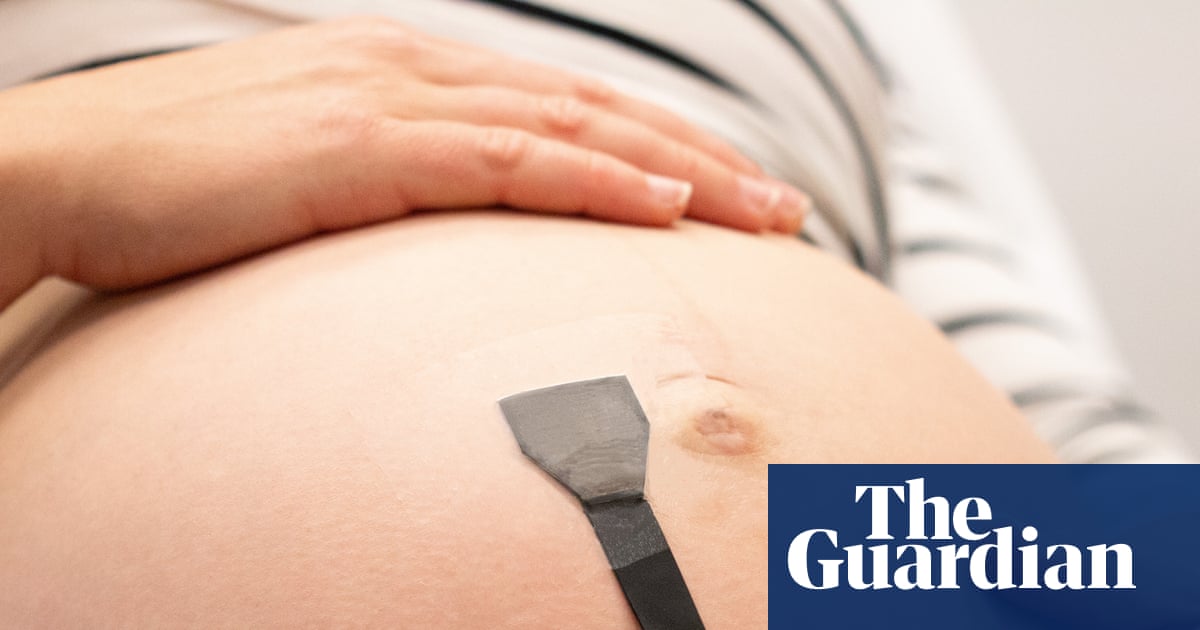
Scientists have built a wearable ultrasound patch that can continuously monitor babies in the womb, a step they hope could eventually help clinicians detect pregnancy complications earlier and prevent stillbirths. The proof-of-concept device, called UPatch, is designed to move beyond the brief snapshots offered by standard ultrasound appointments by gathering fetal imaging and blood-flow information over hours rather than minutes. Its developers say the approach could reveal patterns that are easy to miss between hospital visits.
From snapshots to continuous signals
Current pregnancy monitoring has important limits. Cardiotocography can track fetal heart rate and contractions but is known for false alarms, while conventional handheld ultrasound requires skilled operators and is usually performed only at selected points in pregnancy. The team behind UPatch, including researchers associated with Stanford University, the University of Oxford and UC San Diego, reported in Nature Biotechnology that their patch can image the foetus and track blood flow in real time, including in moving structures such as the umbilical cord.

The device is still far from a product that expectant parents could simply wear at home. In its current form it is tethered to external electronics and needs a traditional ultrasound scan to guide initial placement. Even so, the research tackles technical problems that have made wearable fetal ultrasound difficult: babies move, signals can be weak at depth, and the position of tiny blood vessels changes continuously. The team used electronic components and algorithms to compensate for those challenges and to keep useful measurements flowing as the foetus shifted.
Testing in the US and UK offered encouraging early evidence. In one study involving 62 pregnant participants, measurements from UPatch closely matched readings from standard handheld ultrasound at a single time point. The researchers also used the device to continuously monitor fetal heart rate and blood-flow measurements in 52 pregnant women. In one pre-eclamptic case, the patch helped reveal severe intrauterine growth restriction, contributing to a caesarean delivery intended to prevent stillbirth. The team also observed that fetal blood-flow measurements can fluctuate dynamically, underscoring why a single short scan may not always tell the whole story.

The next challenge is translation. Researchers are working on a wireless version and say the technology could be especially valuable where specialist imaging appointments are scarce, including low-resource settings. Before that vision is reached, clinicians will need larger trials, safety data, clear thresholds for action and careful safeguards against unnecessary anxiety or interventions. They will also need to decide which patients should be monitored continuously, how alerts should be handled, and how the extra data can support rather than overwhelm maternity teams. If validated, wearable ultrasound could become a tool for watching high-risk pregnancies more closely while giving doctors a richer picture of fetal wellbeing. Source: The Guardian
Related articles

Medieval pandemic left a hidden legacy in Europe's oldest trees
A new study published in the Proceedings of the National Academy of Sciences demonstrates how radiocarbon dating can reveal the maximum lifespan of Mediterranean hardwoods, uncovering hidden links between human history and long-term ecosystem dynamics. By analyzing mature and ancient oak trees across Italy, researchers found that a millennium of age is attainable from the Mediterranean coast to mountain environments.

Create AI images with your own API key
aixipi runs on desktop/web, uses your own model API balance, and avoids subscription lock-in.
Try aixipi →
Black teachers improve outcomes for all students, but the profession remains largely white
Having Black teachers and other educators of color improves students' classroom experiences, research shows. They often serve as role models, set high academic expectations and teach material that connects to students' lives outside of schools.

Machine learning uncovers 1,750 quakes tracing 250-kilometer edge of Alaska microplate
Thousands of small earthquakes, detected for the first time by a machine-learning process, reveal the distinct, razor-sharp edge of the Yakutat microplate as it subducts beneath the North American plate.