
The U.S.-Venezuela oil deal won't lower your gas prices. Here's what you need to know

The Trump administration said Friday that it had reached an agreement aimed at developing Venezuela’s enormous petroleum reserves, with the United States set to hold the controlling share. The announcement immediately drew attention because Venezuela possesses some of the world’s largest known oil resources and because the arrangement links energy policy to a country whose oil industry has long been constrained by political conflict, sanctions and declining capacity.
For American drivers, however, the news is unlikely to translate into cheaper prices at the pump anytime soon. Gasoline costs are shaped by a broad mix of forces, including crude prices, refinery capacity, transportation, seasonal demand and global supply disruptions. A newly announced investment or development plan does not quickly become additional barrels available to motorists.

The central promise of the deal is the potential development of Venezuelan reserves on a vast scale. Yet oil reserves are not the same as immediate production. Bringing idle or underdeveloped fields into service can require financing, equipment, technical expertise, infrastructure repairs and stable operating conditions. Each of those factors can affect both the speed and the ultimate scale of any project.
Energy specialists have urged caution over the administration’s announcement. Their skepticism reflects more than one concern: the practical difficulty of reviving output, uncertainty around the commercial terms, and the political risks attached to operating in Venezuela. A majority U.S. stake may give Washington significant influence over the proposed venture, but it does not remove the obstacles involved in turning underground resources into marketable oil.
Venezuela’s resource wealth has long made it important to international oil markets, even as its ability to produce crude has varied sharply. The country’s reserves have often been discussed as a potential source of future supply, but the gap between geological potential and sustained exports can be considerable. Any meaningful increase in production would depend on whether the new arrangement can support long-term operations rather than simply produce an initial announcement.
The deal also arrives in a broader debate over how the United States should approach energy security. Supporters of closer involvement could argue that access to additional oil resources may strengthen supply options over time. Critics may question whether a U.S.-led stake in Venezuelan development can overcome the country’s operational and political challenges, or whether the agreement creates new risks alongside its possible benefits.
Oil is traded in a global market, meaning changes in one producing country can matter beyond its borders. Still, even a future rise in Venezuelan output would be only one element in a much larger pricing system. The effect on crude markets would depend on production volumes, timing, demand elsewhere in the world and decisions by other major producers. The effect on retail gasoline could be smaller, delayed or offset by other developments.
What happens next will be more important than Friday’s declaration. Details about financing, control, project schedules and the legal framework will help determine whether the agreement advances from a policy announcement into active development. Observers will also be watching for evidence that the parties can address the technical and institutional barriers that energy experts say justify a cautious view.
For now, the agreement signals a potentially significant U.S. role in Venezuela’s oil sector rather than an immediate change for consumers filling their tanks. The size of Venezuela’s reserves explains the political and economic interest surrounding the plan. But the experts’ warnings underscore that large resource estimates alone do not guarantee rapid production, reliable supply or lower gasoline prices in the United States.

Source: NPR World
Related articles
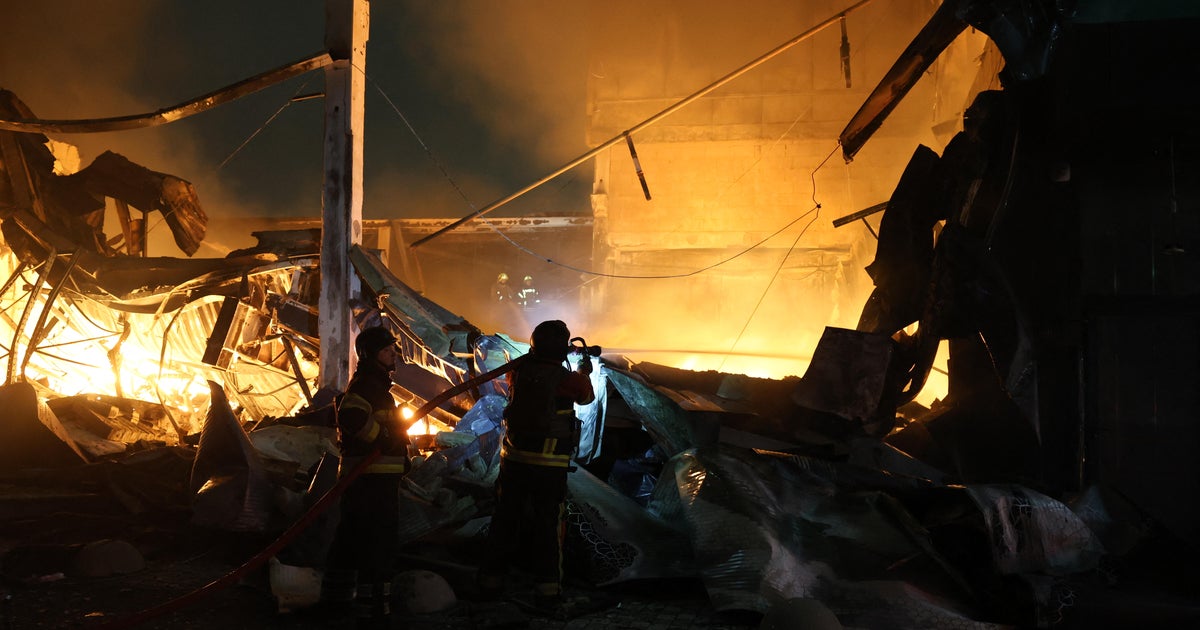
Zelenskyy accuses Russia of using cluster warheads in deadly strikes
Russia launched the strikes on Ukraine less than a day after negotiations to end the war, which also involved the United States, ended in St. Petersburg.

Create AI images with your own API key
aixipi runs on desktop/web, uses your own model API balance, and avoids subscription lock-in.
Try aixipi →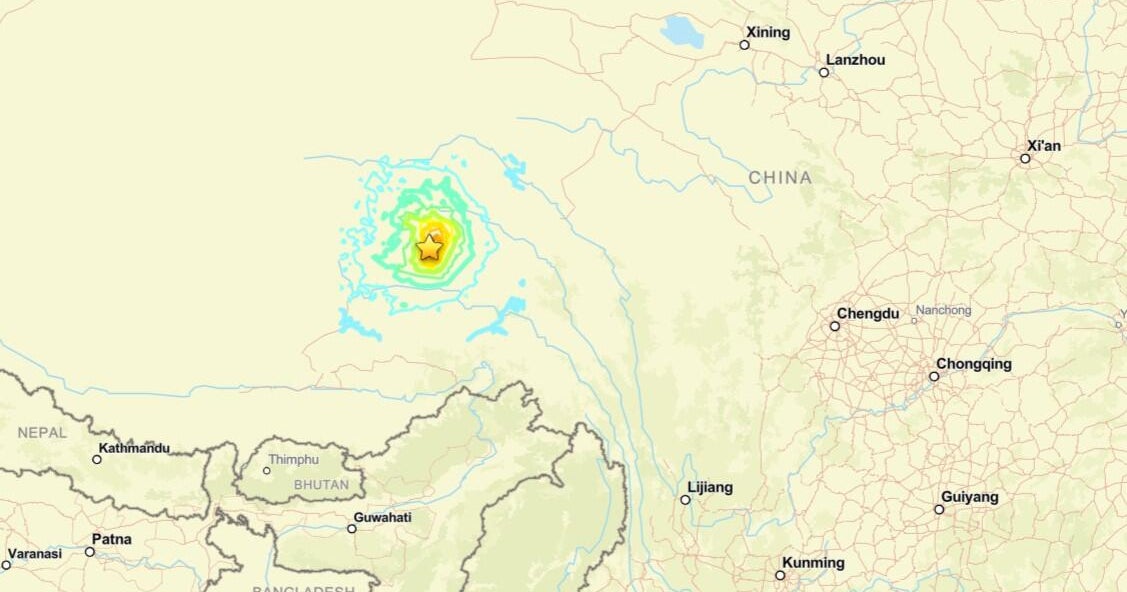
At least 16 dead when powerful 7.0 magnitude earthquake strikes Tibet
It was the biggest earthquake in the region in the last five years, China

See how Big Tech is transforming Spain's landscape
A drought-stricken region of northeast Spain has become a focus for American companies searching for locations to place their data centers.