
These factors could decide Netanyahu's fate in Israel's election
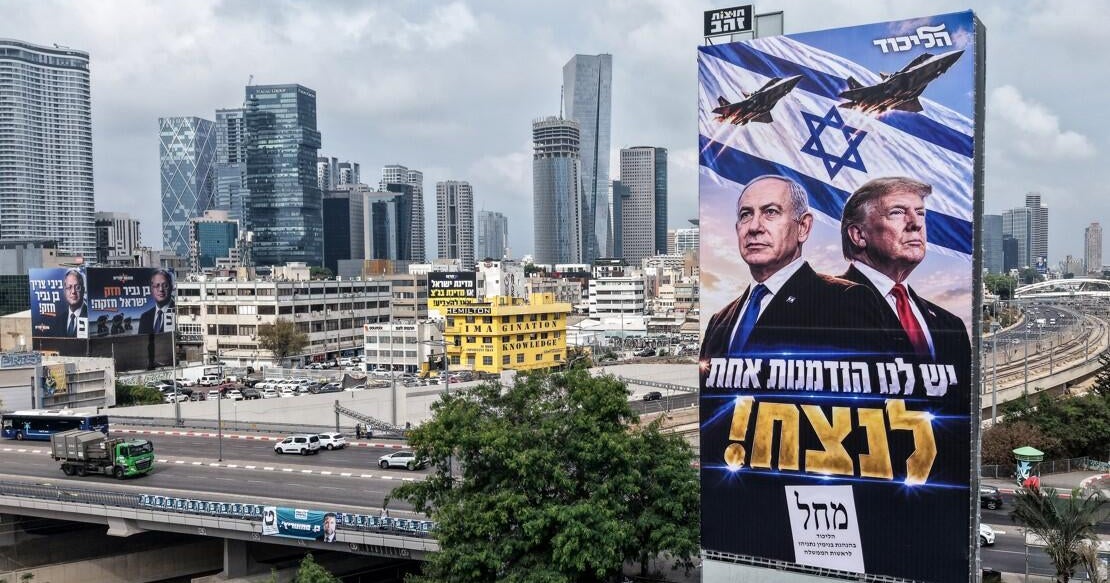
Israelis are voting in a closely fought national election that could determine whether Prime Minister Benjamin Netanyahu remains in office after years in which the country has faced conflict on more than one front. Early expectations point to an unsettled result rather than an immediate verdict, leaving the direction of the next government uncertain as ballots are cast.
The contest arrives after roughly three years of war involving Israel on several fronts, a period that has put security, leadership and the country’s political durability under sustained pressure. The election therefore carries consequences beyond the identity of the next prime minister: its outcome will shape the coalition expected to govern during an exceptionally difficult period.
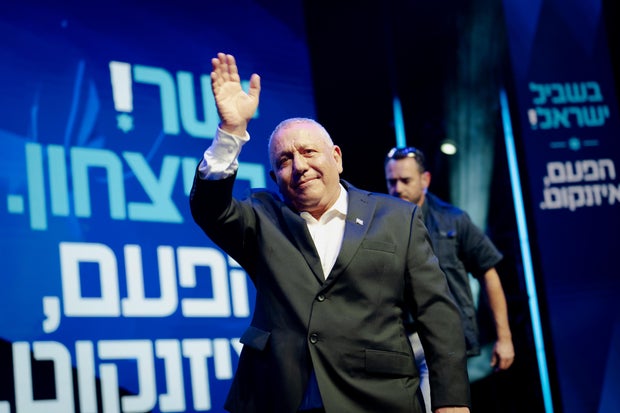
Netanyahu is seeking to preserve his position at the head of a right-wing and religious political camp. His opponents are grouped in what is commonly described as the change bloc, an alliance defined primarily by its effort to replace the incumbent. Neither alignment enters voting day with a clear enough advantage to claim that it can form a government on its own.
Polling has offered sharply different pictures of the race. Surveys associated with the political right have tended to place Netanyahu’s camp ahead, while polls from the left have more often found an edge for the bloc seeking a change in leadership. Those competing readings underscore how little room separates the rival camps and how uncertain any forecast remains.
Israel’s 120-member parliament, the Knesset, is central to what follows. A bloc needs a decisive majority there to establish a government without relying on outside partners. Most polling suggests that neither Netanyahu’s side nor the opposition is on course to reach that threshold, making the election less a simple choice between two winners than the opening phase of another difficult negotiation.
For Netanyahu, that arithmetic is especially consequential. Even a result that leaves his camp with more seats than its rivals would not automatically secure another term if it falls short of a governing majority. Conversely, the change bloc could struggle to translate a narrow electoral advantage into power if its member parties cannot bridge their differences and assemble enough parliamentary support.
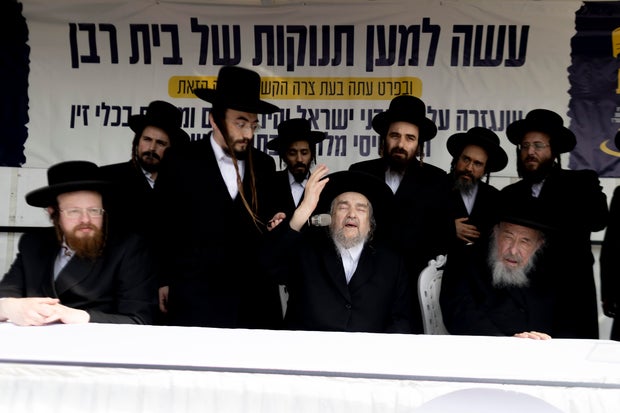
The stakes extend to parties outside the two broad camps, which may gain added importance if the larger blocs remain short of the numbers required to govern. In a parliament divided by small margins, smaller factions can become pivotal in coalition talks. Their willingness to cooperate, and the conditions they attach to any agreement, could prove as important as the initial seat count.
A deadlock could produce several paths rather than a swift transfer of power. Leaders may attempt extended bargaining across ideological boundaries, seek to build a government that governs without a full majority, or fail to settle on a workable arrangement at all. If negotiations do not yield a government, Israelis could be sent back to the polls for another election.
The first results will be watched for more than which camp finishes first. The key question is whether the distribution of seats creates a viable route to a coalition, and for whom. With polls divided and a majority appearing out of reach for either main bloc, the answer to Netanyahu’s political future may emerge only after the votes are counted and talks begin. That uncertainty makes the period immediately after voting nearly as important as the campaign itself. A leading bloc will still have to show that it can turn seats into a functioning governing arrangement. A rival that finishes behind may retain leverage if the winner cannot assemble adequate support. The result therefore cannot be judged solely by which side holds the largest bloc; it will also rest on the alliances made possible by the final distribution of seats. Until that process unfolds, the election will offer only a partial answer to the central question of who can gather enough support to govern.
Source: CBS World
Related articles

Local ceasefire brokered by Melania Trump starts in southern Ukraine
A localized ceasefire between Ukraine and Russia took effect early Tuesday ahead of a humanitarian mission brokered by U.S. first lady Melania Trump, as missile attacks resumed in Kyiv.

Create AI images with your own API key
aixipi runs on desktop/web, uses your own model API balance, and avoids subscription lock-in.
Try aixipi →
Soldiers guard center of Milan as thousands of protesters march in cities across Europe
While protests in France have claimed most international attention, large demonstrations also rocked many European cities Saturday from Milan to Rome to Madrid, Lisbon and Tirana.
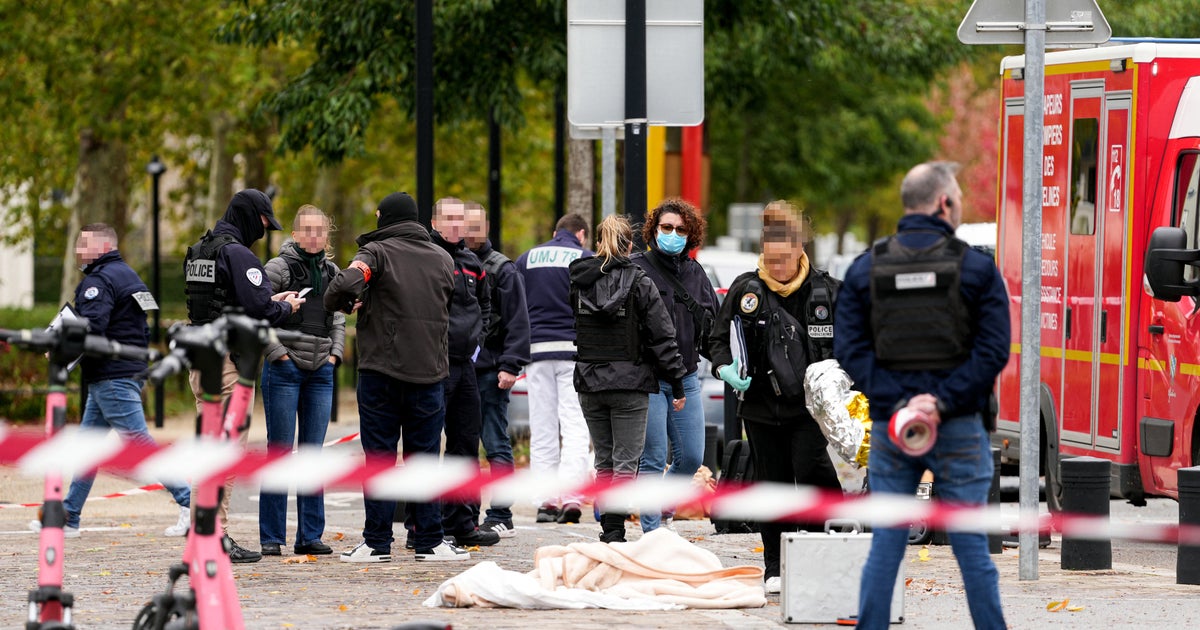
Deadly shooting in Paris suburb investigated as terrorism, officials say
A gunman opened fire from his car in the Paris suburb of Trappes on Friday, in what authorities described as a racially motivated act of terrorism.