
U.S. conducts another round of retaliatory strikes on Iran, Pentagon says
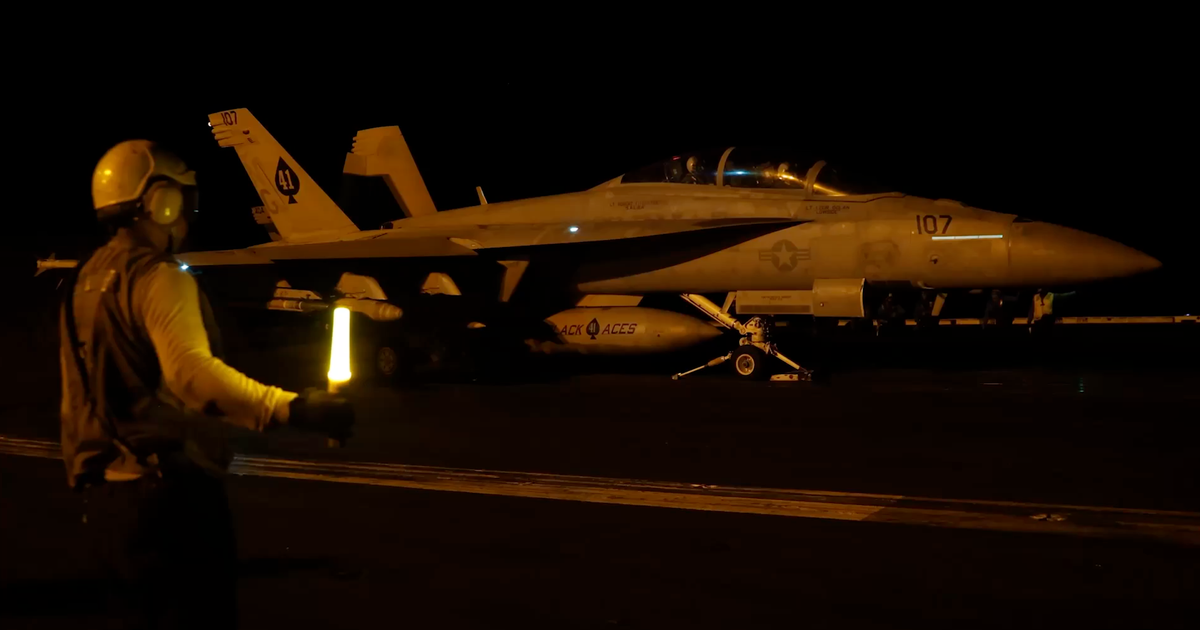
The Pentagon announced that American forces carried out a fresh wave of strikes against targets in Iran this week, marking the third such operation in a matter of days. Officials said this latest action was launched in direct response to an assault on a commercial vessel transiting the Strait of Hormuz, a waterway that has become the flashpoint of an escalating military exchange between Washington and Tehran.
The strikes came even as diplomatic channels remained active. Iranian officials confirmed that representatives met with counterparts from Oman on Sunday, continuing a dialogue focused on the long-term status of the strait, one of the world's most heavily trafficked corridors for oil and gas shipments.
Esmaeil Baghaei, spokesperson for Iran's Foreign Ministry, characterized the discussions as an effort to align Tehran and Muscat on how vessel movement and navigation through the passage should be managed going forward, describing the two nations as the region's primary coastal powers responsible for the route's oversight.
Those talks trace back to a memorandum of understanding the two governments signed in June, under which Iran and Oman committed to hashing out a longer-term framework governing the strait. The agreement was intended to create a more stable, predictable arrangement for a chokepoint that carries a significant share of global crude exports each day.
That diplomatic groundwork has since been tested. A string of assaults on merchant ships passing through the strait has triggered tit-for-tat military responses from Washington and Tehran, undercutting the calm the Oman-brokered framework was designed to establish. Each new strike appears to invite a further response, complicating efforts to keep the negotiations on track.
The strait's significance extends well beyond the countries bordering it. A large portion of the world's seaborne oil supply passes through the narrow channel, meaning disruptions there tend to ripple quickly through global energy markets, shipping insurance rates, and fuel prices far from the Middle East. Analysts have long warned that sustained instability in the waterway carries economic consequences that reach well past the immediate region.
Whether the Oman-mediated talks can withstand the current cycle of strikes remains uncertain. Tehran has signaled it still wants a negotiated arrangement for managing the strait, but continued attacks on commercial shipping — and the retaliatory strikes they have provoked from U.S. forces — suggest the diplomatic track and the military one are now running on parallel, and increasingly intertwined, paths. Officials on both sides have yet to indicate whether a pause in hostilities might be negotiated to give the talks room to proceed.
Source: CBS World
Related articles
Alvarez's 112th-minute goal helps lift Argentina past Switzerland 3-1 and into World Cup semifinals
Julian Alvarez sent defending champion Argentina into the World Cup semifinals with a long-range strike in the 112th minute against Switzerland.

Create AI images with your own API key
aixipi runs on desktop/web, uses your own model API balance, and avoids subscription lock-in.
Try aixipi →One of Spain's deadliest wildfires has killed at least 11 people
A wildfire in southern Spain has killed at least 11 people, making it one of the country's deadliest on record, as soaring temperatures grip much of the country.
Shelling at night, gunfire by day in Israel's expanding zone of control in Gaza
When the U.S. brokered a ceasefire last year, Israel controlled half of Gaza. Now Israeli forces have pushed deeper, and Palestinians are paying a deadly price.