
"We are the best," Chinese EV maker says ahead of push into North America
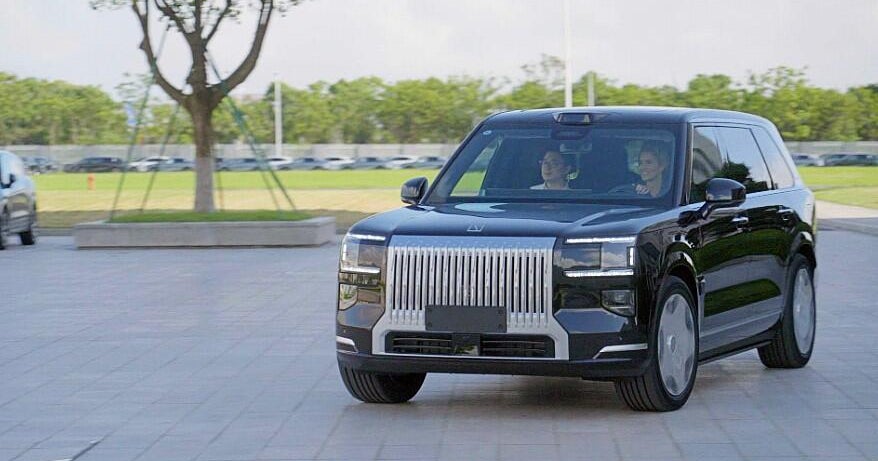
A Canadian trade arrangement is poised to give Chinese electric-vehicle manufacturers a route into North America, bringing companies that have already won significant shares of overseas EV markets closer to Detroit. For automakers in China, the prospect is more than another export destination: it would place their products across the river from the historic center of the U.S. auto industry. The development comes as one Chinese producer publicly projects confidence ahead of a broader North American push, declaring that it is “the best.”
The immediate opening is Canada. The pending agreement is expected to create an entry point for Chinese EV brands that have established a stronger presence in other markets. Its significance lies partly in geography. Canada is separated from Detroit by the Detroit River, so a new commercial foothold there would bring Chinese-made electric cars to the edge of a region long associated with North American vehicle production.
One company watching that opportunity is Geely Auto Group, among China’s biggest EV producers. Its premium electric marque is Zeekr, built at a manufacturing site outside Ningbo, a Chinese port city. The facility is presented by its leadership as a place where the next era of motoring is being made, reflecting the company’s confidence in electric vehicles and in its ability to compete beyond China.
The setting around the plant reinforces the energy-focused image attached to the operation. Green hills surround the area beyond Ningbo, while large wind turbines stand on their ridges. Those turbines collect powerful winds arriving from the East China Sea. The combination of a coastal industrial location, renewable-energy infrastructure and EV production gives the factory a visual link to the technological future its managers describe.
Zeekr’s name is also intended to signal that outlook. The first element, “Zee,” refers to Generation Z. The second, “Kr,” comes from krypton’s chemical abbreviation. Krypton is also familiar in popular culture as the substance associated with taking away Superman’s strength. By combining a generational reference with an element name, the brand has created an identity intended to distinguish itself in an increasingly competitive electric-car sector.
The company’s confidence is part of a larger question facing the industry: whether Chinese carmakers are advancing toward a leading position in the global automobile business. Their rising share in markets beyond North America has made that possibility increasingly important. A Canadian opening would not answer the question on its own, but it would create a highly visible test of whether that momentum can extend into a market closely connected to Detroit.
The importance of the trade arrangement is therefore both commercial and symbolic. It could put Chinese EV companies nearer to established North American manufacturers while offering them a practical route to present their vehicles to customers in Canada. For brands such as Zeekr, the challenge will be to turn a manufacturing and export opportunity into broader recognition for a luxury electric offering.
For consumers and established rivals, the key change would be less about rhetoric than market access. A foothold in Canada could give Chinese producers a closer platform from which to introduce their models in North America. It would also draw attention to how companies that have gained traction elsewhere approach a region where Detroit remains a powerful symbol of automotive production and competition.
There remains an important difference between gaining access and building a durable position. The expected deal indicates a possible entrance, rather than a finished remaking of North America’s vehicle market. Previous market-share gains outside the region show momentum, but they do not determine how Canadian buyers, competitors and the wider industry will respond.
What comes next will be watched on two levels. In the near term, attention will focus on how Chinese EV brands use the Canadian route created by the agreement. Over a longer horizon, the issue will be whether the confidence voiced by manufacturers such as Geely becomes evidence of a wider transfer of influence in global auto production. From Ningbo’s wind-swept hills to the waterway dividing Canada and Detroit, the competitive landscape is moving closer to a defining automotive frontier.
Source: CBS World
Related articles
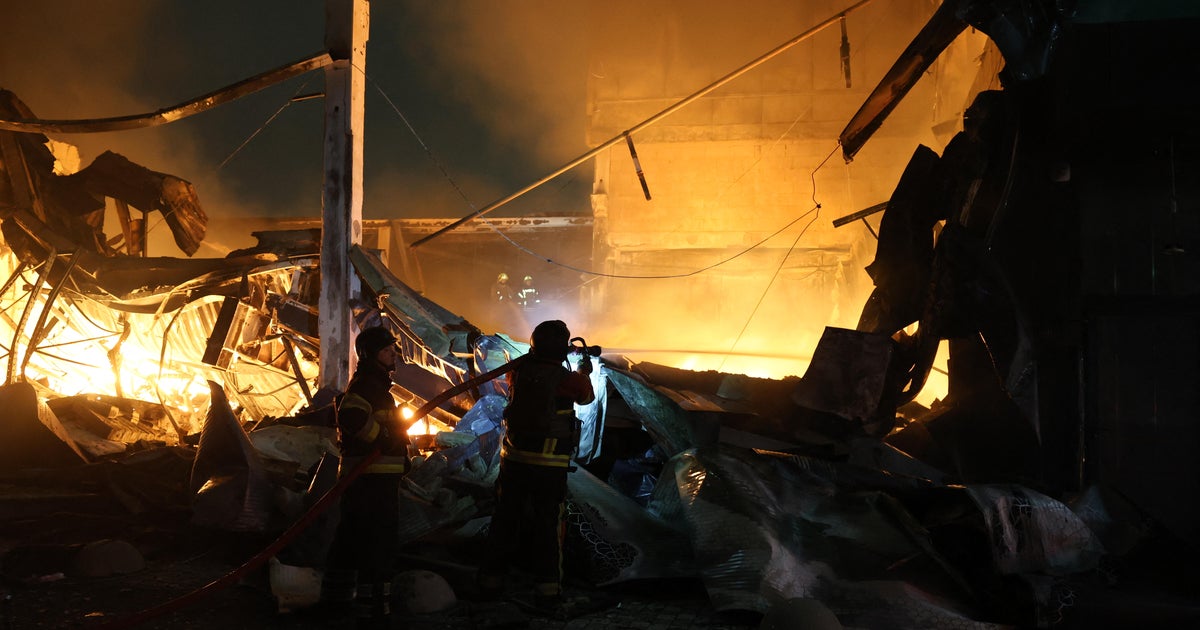
Zelenskyy accuses Russia of using cluster warheads in deadly strikes
Russia launched the strikes on Ukraine less than a day after negotiations to end the war, which also involved the United States, ended in St. Petersburg.

Create AI images with your own API key
aixipi runs on desktop/web, uses your own model API balance, and avoids subscription lock-in.
Try aixipi →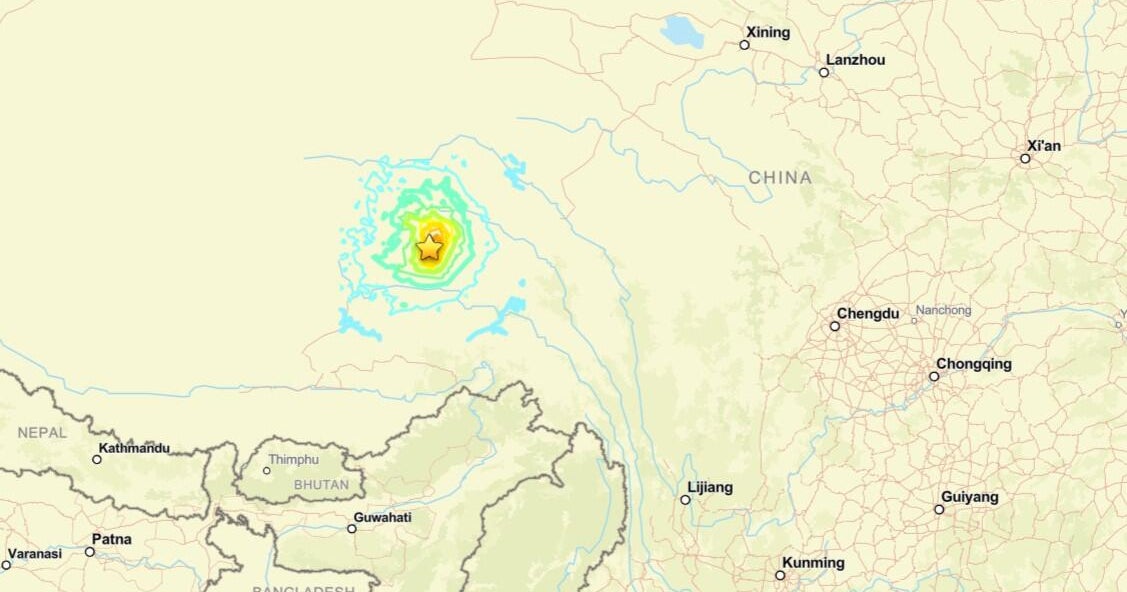
At least 16 dead when powerful 7.0 magnitude earthquake strikes Tibet
It was the biggest earthquake in the region in the last five years, China

See how Big Tech is transforming Spain's landscape
A drought-stricken region of northeast Spain has become a focus for American companies searching for locations to place their data centers.