
When trade soured, this American liquor maker moved to Canada
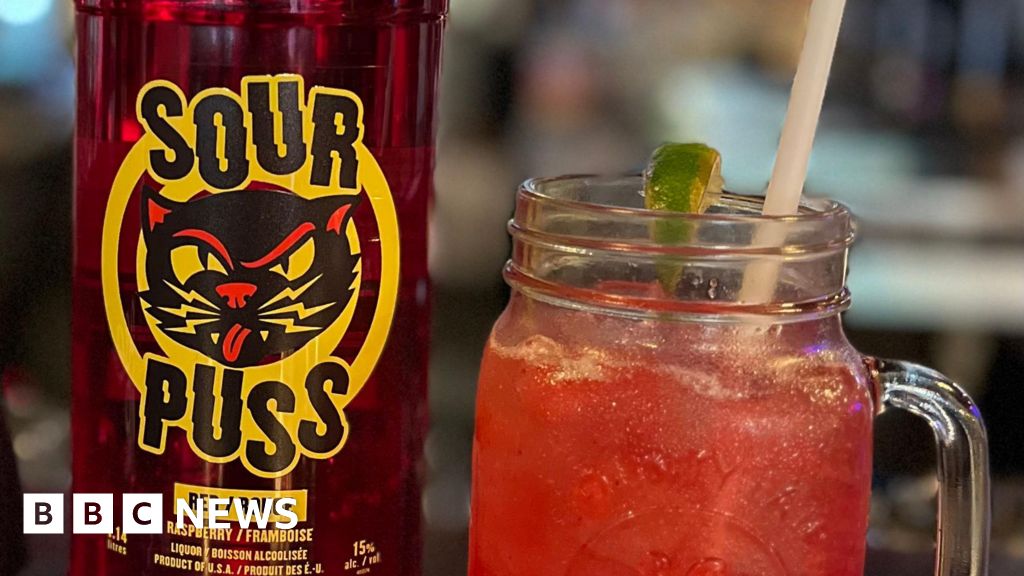
Tariffs push a Minnesota brand north
Phillips Distilling built Sour Puss into a familiar bottle for many Canadian consumers, but its American origin became a liability when trade tensions spilled into liquor aisles. After US tariffs triggered retaliatory action, most Canadian provinces stopped selling American-made alcohol through their tightly controlled store systems. For a family-owned producer in Minnesota, that decision was not an abstract policy fight: Canada was the key market for Sour Puss and an important outlet for other Phillips products. The episode underlines how consumer brands that feel local in one market can still be exposed to rules and politics set far beyond their own factories.
The company’s exposure was unusually sharp because provincial liquor boards can determine whether a brand reaches consumers at all. According to the BBC, Phillips lost about 70% of its Canadian business after the boycott began, with Sour Puss taking the hardest hit. Larger drinks groups could absorb some pain across broader portfolios, but Phillips faced a sudden threat to a line that had become deeply associated with Canadian student culture, flavoured spirits and party occasions. Lost shelf space can also damage distributor relationships, retailer planning and brand visibility, making a trade dispute more than a temporary sales interruption.

A local-production workaround
The answer was to do something the company had not done before: move some production into Canada. By making and selling selected products inside the country, Phillips found a way back into provincial stores without asking consumers or retailers to ignore the political backdrop. Chief executive Andy England told the BBC the business is now on a recovery path, with provinces once again accepting parts of its range because the bottles are no longer simply US imports. That workaround does not erase the cost of disruption, but it gives the company a practical route around a barrier that had closed quickly and broadly.
The move shows how quickly trade disputes can redraw supply chains, even for mid-sized consumer brands that once relied on cross-border familiarity. Local production may add complexity, but it can also protect shelf space when tariffs, boycotts or procurement rules suddenly change. It can require new compliance checks, packaging decisions, supplier relationships and inventory planning, yet those costs may be smaller than losing an entire government-controlled retail channel. For exporters, the lesson is broader than liquor: when a single foreign market represents a large share of sales, manufacturing flexibility can become as important as marketing muscle. Brands selling into politically sensitive categories may now treat backup production, local partnerships and market diversification as safeguards rather than optional expansion projects. It also gives managers more leverage when future trade policy changes arrive faster than consumer demand can be rebuilt.

Source: BBC Business.
Related articles

Harry's and Coterie owner Mammoth Brands has ambitions to be the next CPG giant
Mammoth's direct-to-consumer brands have helped upend the razor, diaper and deodorant categories.

Create AI images with your own API key
aixipi runs on desktop/web, uses your own model API balance, and avoids subscription lock-in.
Try aixipi →
Don’t rule out a ‘June swoon’ — the S&P 500 is pushing its limits
Even upbeat Oracle earnings next week might not be enough to rally the market.

Wall Street hated these 15 stocks. Then their earnings proved the analysts wrong.
Earnings beats mean a lot more when it happens to stocks the market gave up on.