
2 firefighters die in Greece as others fight massive blaze in France
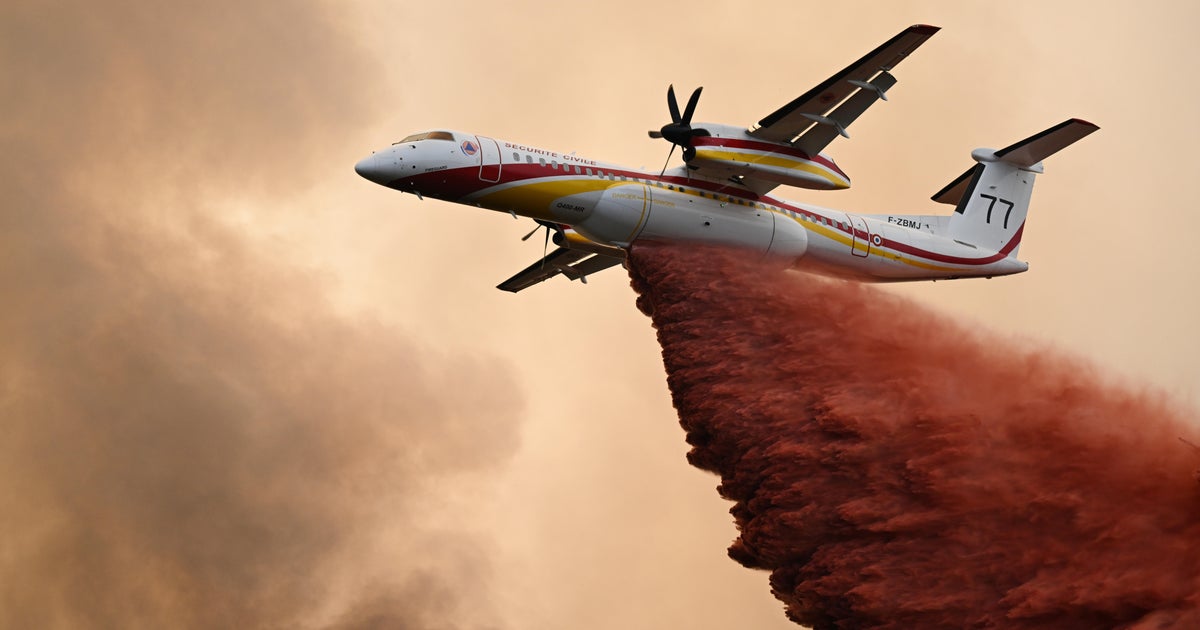
Two firefighters were killed on Wednesday while responding to a fire on Crete, authorities said, as another emergency unfolded hundreds of miles away in France. Fire crews in the country’s south were trying to contain a vast wildfire whose burned area had grown to about four times the footprint of Paris. The two crises highlighted the strain on emergency services facing fast-moving fires across Europe. The comparison with Paris illustrated the exceptional scale of the French fire.
The deaths in Greece underscored the human cost of a broader period of wildfire danger. The firefighters were working on the island of Crete when they died, according to officials. Their loss came as responders in several European countries worked in conditions that made fires more difficult to control and left crews confronting hazards alongside the people and property they were deployed to protect.
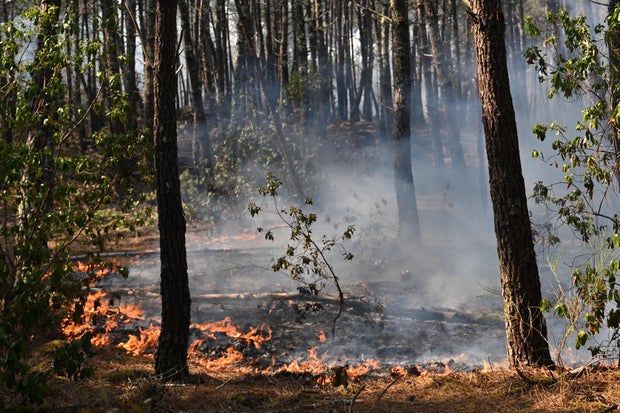
In France, the large fire in the Gironde region remained uncontained, despite a less eventful night. Authorities said it had not advanced overnight while conditions were calmer. That pause offered some relief to firefighters, but it did not mean the threat had passed. Officials were preparing for a renewed challenge once hotter weather and stronger winds returned later in the day.
Forecasters expected temperatures in the area to climb to 40 degrees Celsius, or 104 degrees Fahrenheit. Afternoon winds were also expected to increase. Together, those factors could reverse the overnight stabilization by helping flames spread and by complicating the work of crews attempting to hold fire lines. The calmer nighttime conditions were therefore seen as a temporary opening rather than a resolution.
Across the continent, the firefighting effort was being shaped by a combination of intense heat, dry conditions and forceful winds. Each element can make containment harder: parched landscapes can support fire, heat can worsen the operating environment, and wind can carry flames or embers beyond established barriers. The conditions described by officials left responders with little margin for error.
The emergency stretched across a wide span of Europe, from the Atlantic-facing areas to the eastern Mediterranean. Crete’s fatal incident and the French blaze were part of that wider picture, rather than isolated events. The geographic reach also placed pressure on communities with very different settings, including residential areas and places that draw visitors during the holiday season.
Evacuations in France and Spain showed the scale of disruption caused by the fires. At the height of those departures, roughly 330,000 people had to leave homes and holiday accommodations. That figure reflects an impact extending well beyond the immediate fire zones, with large numbers of residents and travelers forced to change plans or seek safety while authorities managed an evolving risk.
For firefighters, the immediate priorities remained protecting lives, limiting the movement of the flames and making use of any favorable change in weather. The quieter night in Gironde provided a contrast with the dangerous daytime forecast, illustrating why an apparently steadier period could not be treated as lasting containment. The expected heat and wind were the central factors to watch as operations continued.
The situation also carried different kinds of consequences in different places. In Crete, the focus included the deaths of two responders during an active operation. In France, attention centered on whether a huge fire could be kept from expanding after the overnight lull. Elsewhere, the mass evacuations in France and Spain emphasized the danger faced by people displaced from both permanent homes and vacation sites.
Authorities and emergency crews were left confronting a wildfire emergency marked by loss of life, broad displacement and uncertain weather. With high temperatures, drought and wind continuing to undermine containment efforts across Europe, the next developments depended heavily on whether crews could preserve gains made during calmer periods. The forecast in Gironde made clear that the respite there could prove short-lived.
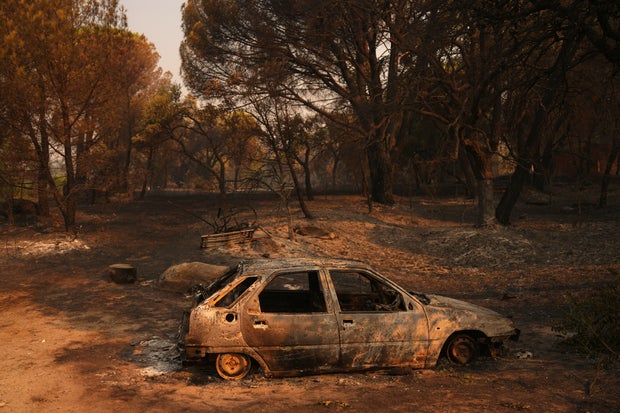
Source: CBS World
Related articles

Hope dwindles for rescue in southwestern Japan quake as death toll climbs to 23
Time was running out to find survivors, as rescuers continued to work in the Kumamoto area on Japan 's southern main island of Kyushu, where the magnitude 7.1 earthquake hit Tuesday.

Create AI images with your own API key
aixipi runs on desktop/web, uses your own model API balance, and avoids subscription lock-in.
Try aixipi →
Singer-songwriter Glen Hansard killed in motorcycle crash
Academy Award-winning Irish singer-songwriter Glen Hansard has died in a motorcycle crash.
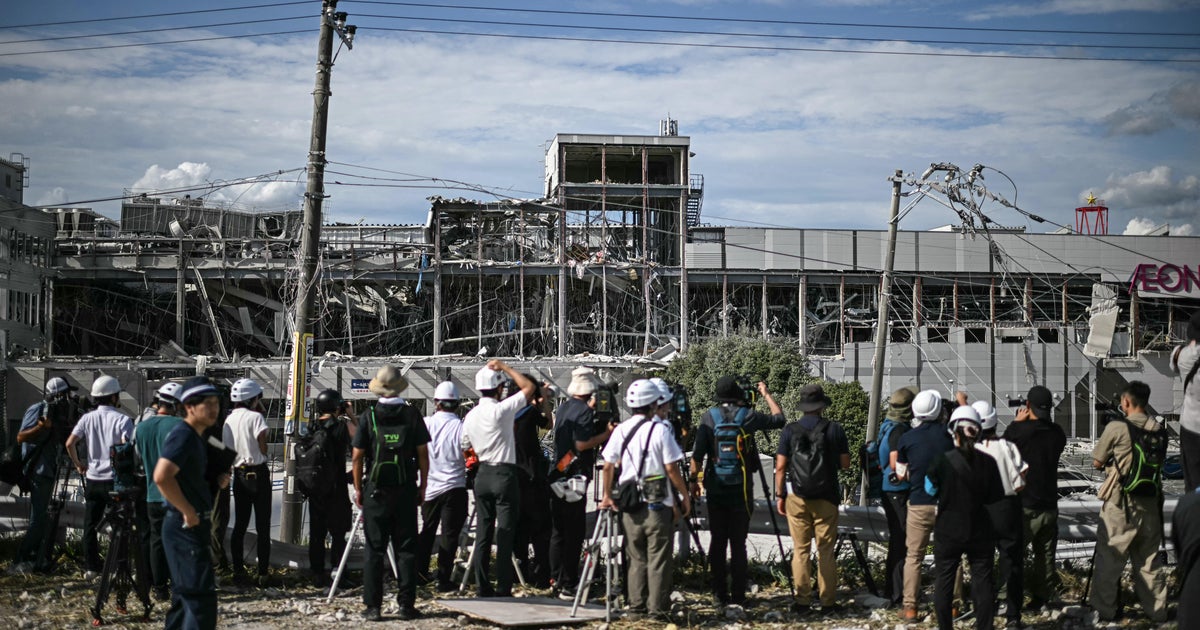
Japan quake toll rises, people still missing in damaged mall and factory
The powerful earthquake that rocked southern Japan has killed at least 18 people and more remain missing in a damaged shopping mall and a paper factory.