Alan Greenspan, the legendary former Federal Reserve chair, dies

Alan Greenspan, who spent nearly two decades steering U.S. monetary policy as chairman of the Federal Reserve, has died. His death closes the story of a man whose economic judgment was once treated as nearly infallible by Washington and Wall Street alike, only for that same reputation to unravel in the years after he left office.
Greenspan took the helm of the central bank in 1987 and remained in the post until 2006, serving through four presidential administrations and becoming, for a time, arguably the most powerful unelected official in the country. His public remarks moved global markets, and investors parsed even his most cryptic phrasing for clues about where interest rates were headed.
For much of his tenure, Greenspan was regarded as an economic sage without equal, presiding over a long stretch of low inflation and sustained growth that many credited to his steady hand at the Fed. Commentators at the height of his influence suggested no central banker in modern history had managed the job better, and his counsel was sought by lawmakers of both parties as though it carried near-scientific certainty.
That standing began to erode after he stepped down, as the housing bubble that had inflated during his final years in charge collapsed into a banking meltdown. The turmoil that followed became the most severe economic downturn the country had experienced since the 1930s, wiping out trillions of dollars in wealth, toppling major financial institutions and pushing unemployment sharply higher.
Critics increasingly pointed back to decisions made on Greenspan's watch — including his resistance to tighter oversight of complex financial instruments and his faith that markets would largely regulate themselves — as groundwork for the disaster. Greenspan himself later acknowledged before Congress that he had misjudged the capacity of financial firms to police their own risk-taking, a striking concession from a figure once treated as beyond reproach.
Not everyone accepts that verdict, however. Some economists have argued the crisis stemmed from a broader failure spanning regulators, lenders and lawmakers, and that pinning the blame primarily on one Fed chairman oversimplifies a tangle of causes, including lax mortgage underwriting and Wall Street's own appetite for risk. That disagreement has kept Greenspan's legacy a subject of active dispute among historians and economists rather than a settled judgment.
His death is likely to reopen that debate, with tributes to his decades of public service expected to sit alongside renewed scrutiny of the policies that preceded the 2008 collapse. Economic historians say a fuller reckoning with his record — weighing the years of stability he oversaw against the crisis that followed — will likely continue for years, as new archival material and retrospective analysis inform how his chairmanship is ultimately remembered.
Source: NPR World
Related articles

Israeli strike kills aid worker who brought World Cup screenings to Gaza
An Israeli strike has killed an aid worker who organized World Cup game screenings for Palestinians in the war-torn Gaza Strip, a hospital director says.

Create AI images with your own API key
aixipi runs on desktop/web, uses your own model API balance, and avoids subscription lock-in.
Try aixipi →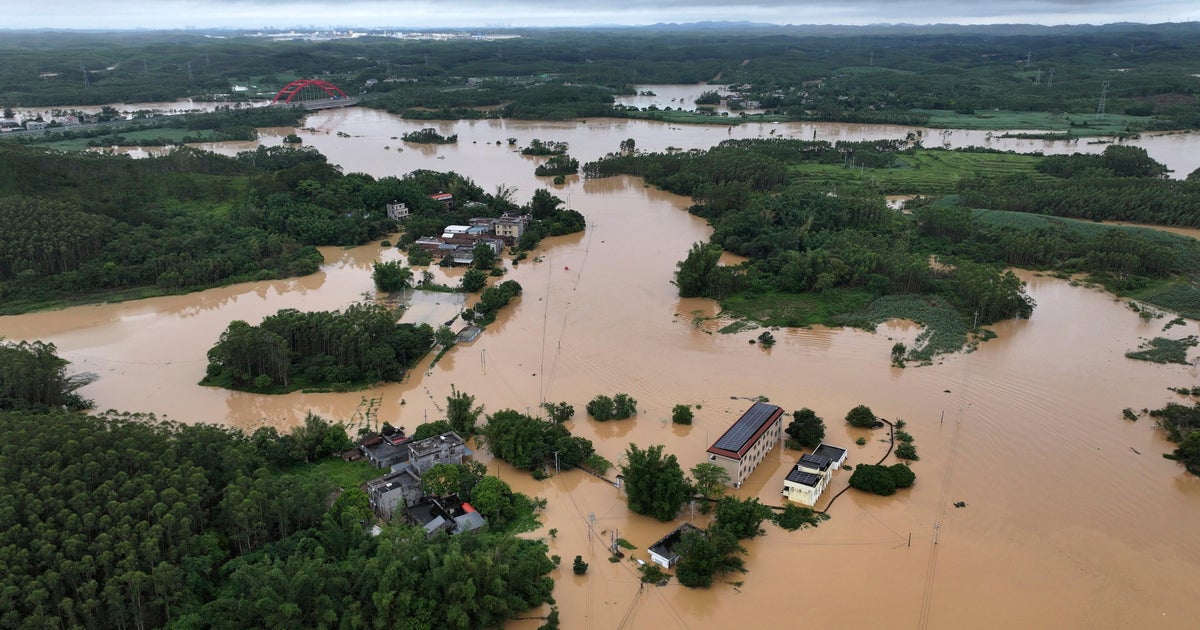
39 killed in southern China flooding after days of heavy rain
Authorities in southern China say 39 people have died in flooding after days of heavy rainfall from a tropical storm.