
France bans some outdoor drinking as heat wave threatens Europe
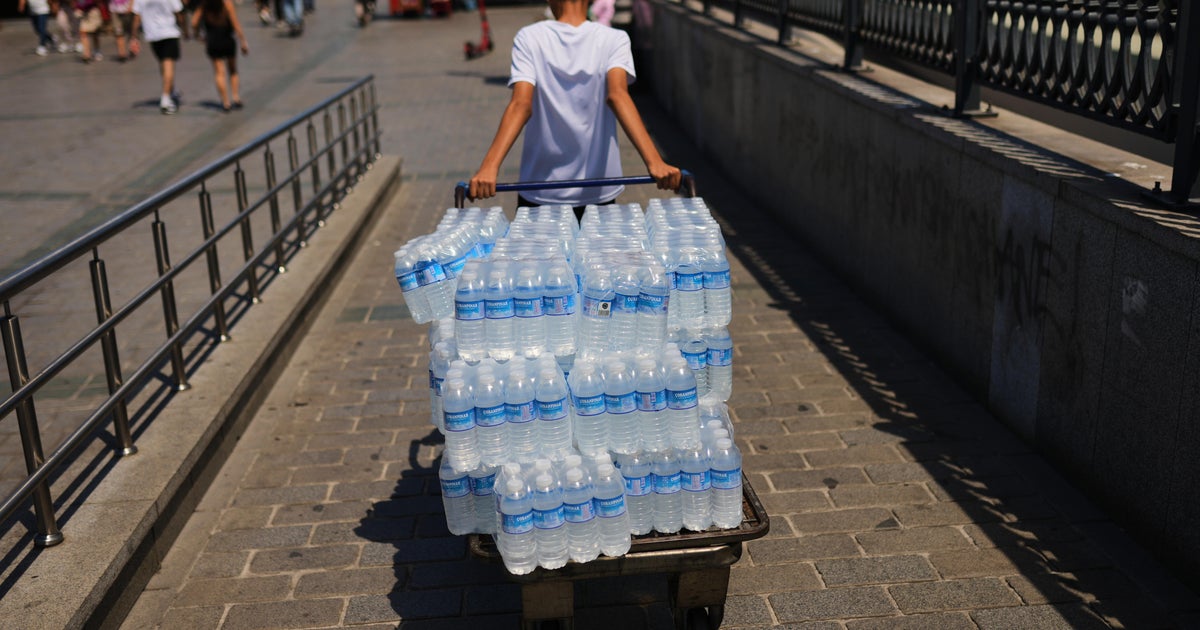
France has activated emergency services and deployed military personnel on wildfire watch, tightened rules on drinking alcohol in public spaces, and called off a number of outdoor athletic competitions as an intense heat dome grips large stretches of the European continent. The measures reflect growing alarm among officials that this round of extreme heat could strain hospitals, fire crews and infrastructure already stretched thin by repeated summer scorchers in recent years.
Roughly one in three French regions was placed under the country's highest heat warning level, red alert, on Sunday, with thermometers in some locations climbing to around 104 degrees Fahrenheit. Forecasters cautioned that Monday would likely bring even higher readings, suggesting the peak of the event had not yet arrived and that conditions could worsen before any relief sets in.
The alcohol restrictions and event cancellations are part of a broader defensive posture French authorities have adopted, aimed at reducing preventable emergencies during the hottest stretch of the heat wave. Limiting outdoor drinking is intended to cut down on dehydration-related medical incidents, while pausing sporting events removes situations where people would otherwise be exerting themselves outdoors during peak temperatures.
The response is not confined to France. Governments and municipal agencies across multiple European countries have rolled out their own precautionary steps as the same weather system pushes temperatures well above seasonal norms. In Spain, forecasters likewise pointed to highs near 104 degrees in parts of the country, putting it on comparable footing with France in terms of severity.
In Paris, operators of major tourist sites, including the Eiffel Tower, installed misting stations designed to spray fine water vapor over visitors waiting in long lines or gathered in open areas, offering a low-cost way to bring down perceived temperatures in crowded public spaces. Further south in Rome, visitors improvised their own cooling methods, wading into the city's public fountains to escape the heat, a scene that has become increasingly familiar during Italian summers.
Spain's Basque Country region took its own targeted action, calling off select sporting and cultural events rather than issuing blanket restrictions, an approach that suggests authorities are trying to balance public safety with the economic and social costs of shutting down large gatherings entirely. That patchwork response underscores how heat policy across Europe still varies significantly by region, even when the same weather system is driving the danger.
Scientists have repeatedly linked the increasing frequency and intensity of European heat waves to broader climate trends, though attributing any single event definitively takes further study. What is clear from recent years is a pattern: national weather services across the continent have been forced to issue red alerts, adjust public health guidance and cancel outdoor programming with greater regularity, prompting calls from some public health experts for longer-term infrastructure changes such as expanded cooling centers and heat-resilient building codes rather than one-off emergency measures.
With Monday's forecast pointing to further increases, officials in both France and Spain are expected to monitor the situation closely and could extend or expand red-alert zones if temperatures rise as predicted. Residents and tourists in affected areas have been urged to stay hydrated, avoid strenuous outdoor activity during peak afternoon hours, and check on vulnerable neighbors, including elderly residents who face the highest risk of heat-related illness.
Source: CBS World
Related articles
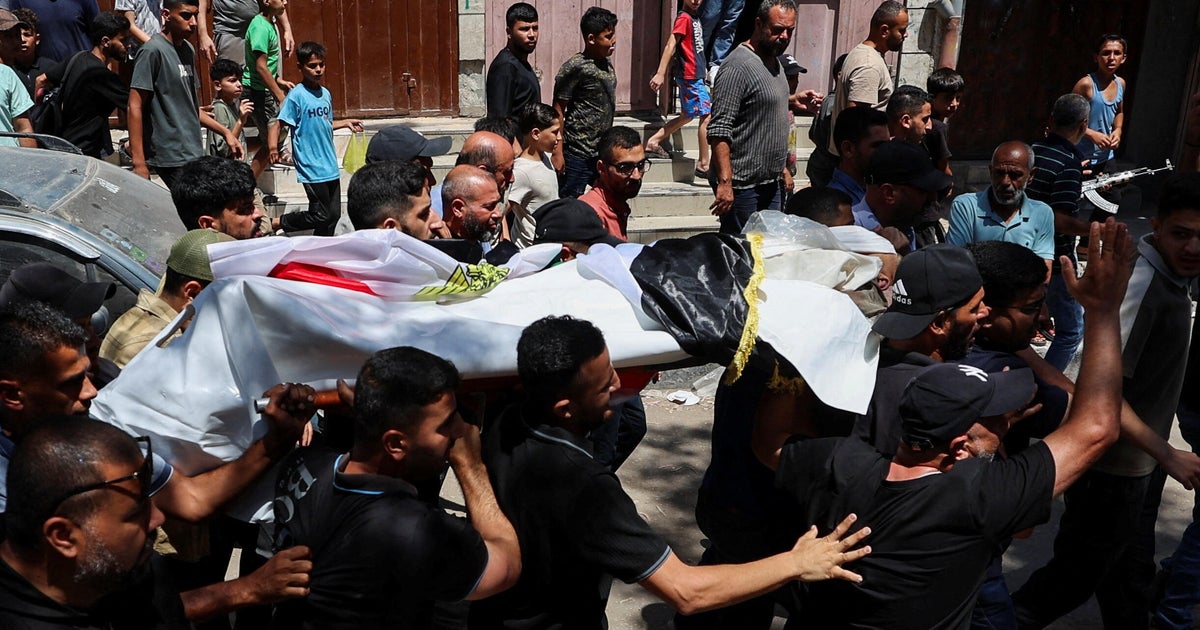
Israeli strike kills aid worker who brought World Cup screenings to Gaza
An Israeli strike has killed an aid worker who organized World Cup game screenings for Palestinians in the war-torn Gaza Strip, a hospital director says.

Create AI images with your own API key
aixipi runs on desktop/web, uses your own model API balance, and avoids subscription lock-in.
Try aixipi →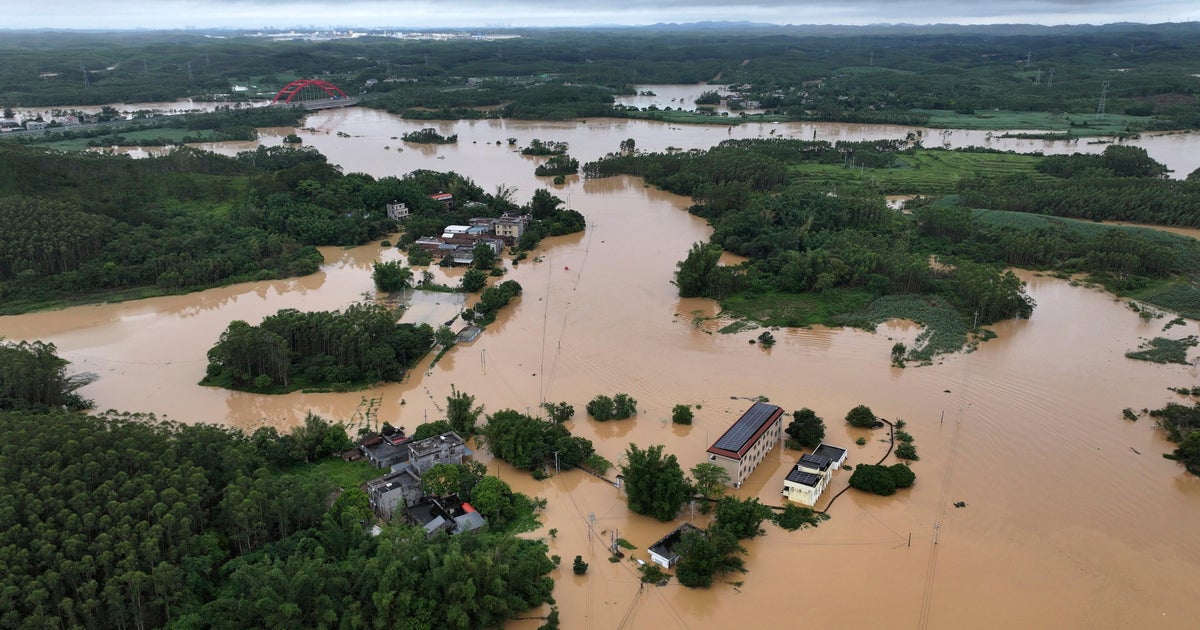
39 killed in southern China flooding after days of heavy rain
Authorities in southern China say 39 people have died in flooding after days of heavy rainfall from a tropical storm.