
Hacked alert apps send Ukrainians, Russians fake attack warnings
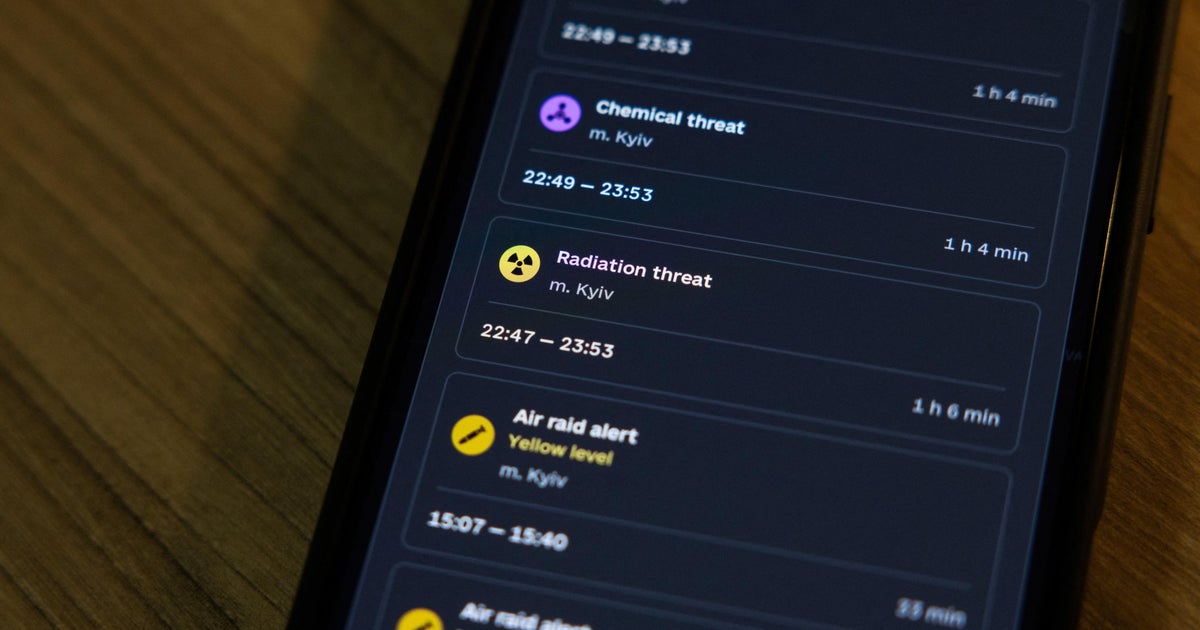
Emergency-warning services used by civilians in Ukraine and Russia were disrupted by hackers within hours of one another on Sunday night, producing fabricated notices about some of the most alarming threats imaginable in a war zone. Users received alerts referring to radiation, chemical danger and a possible nuclear strike, even though the messages did not reflect confirmed attacks. The incident underscored the vulnerability of digital tools that have become part of everyday survival decisions during the conflict.
In Ukraine, the false notifications began at 10:47 p.m. local time, according to the report. They appeared through Air Alert, a service designed to warn people when military threats may be approaching. Among the invented messages were references to radioactive contamination, chemical hazards, a nuclear attack and fighting in the streets of Kyiv. The stream of alerts risked creating confusion at a time when residents may have only moments to determine whether to seek cover.
Air Alert was developed by Ajax Systems and Stfalcon with backing from Ukraine’s Ministry of Digital Transformation. The app is intended to provide broad warnings about dangers such as missile and drone attacks, giving users an immediate signal that conditions may be changing. For many people living under the threat of Russian strikes, a notification can trigger a practical and urgent calculation: stay where they are, move to a shelter or search for more information.
The apparent intrusion therefore carried consequences beyond a technical failure. A false alarm about a conventional attack can disrupt daily life; an untrue warning involving chemicals, radiation or nuclear weapons can generate a much more severe reaction. Such messages may cause people to rush to safety, contact relatives or share unverified claims online. They can also make it harder for the public to distinguish an authentic warning from a manipulated one when a genuine emergency arises.
Ukraine’s alert system is only one part of a wider information network used during air raids. Many residents also turn to Telegram, where the Ukrainian Air Force and security analysts provide more detailed updates about incoming threats. Those channels can offer added context that a push notification cannot, including information that helps users assess whether reports are credible and what kind of danger may be developing.
That reliance on multiple sources can offer some protection against confusion, but it also illustrates the pressure placed on civilians during wartime. People must absorb warnings quickly while judging conflicting reports across apps, messaging platforms and personal contacts. When a trusted alert service is compromised, users may be forced to spend additional time verifying information instead of acting immediately, even though speed can be critical during missile or drone attacks.
The closely timed incidents in Ukraine and Russia also highlight how civilian-facing technology can become a target or a tool in the broader information struggle surrounding the war. Emergency applications are built to communicate with large groups at once, making them valuable during crises but potentially disruptive if their systems are breached. A single false message can travel rapidly through screenshots, chats and social networks long after the original alert has been identified as inaccurate.
It was not immediately clear from the reported information who was responsible for the hacks or how access to the alert systems was obtained. The episode leaves important questions about how services that carry public-safety information will strengthen their defenses and restore user confidence. For civilians, the immediate lesson may be to compare extraordinary claims with official channels and other trusted updates, particularly when an alert describes an escalation as grave as chemical, radiological or nuclear danger.
Source: CBS World
Related articles
More European grocery stores hit by apparent fridge-freezer hacks
Grocery chains in European nations say temperatures in some stores

Create AI images with your own API key
aixipi runs on desktop/web, uses your own model API balance, and avoids subscription lock-in.
Try aixipi →
U.S. issuing visas to Brazil's Flávio Bolsonaro and family, official says
Flávio Bolsonaro and his family will receive U.S. visas after Bolsonaro lost Brazil

8-month Iran war looms large over Israeli election
Israelis voted in a national election set to shape the country