
More European grocery stores hit by apparent fridge-freezer hacks
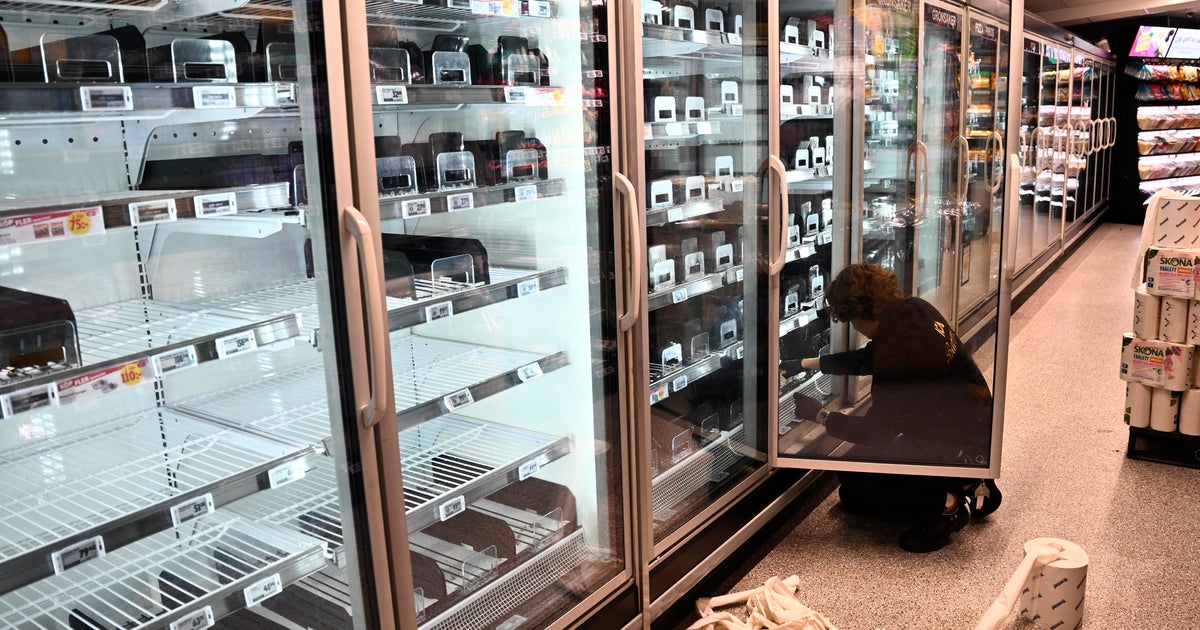
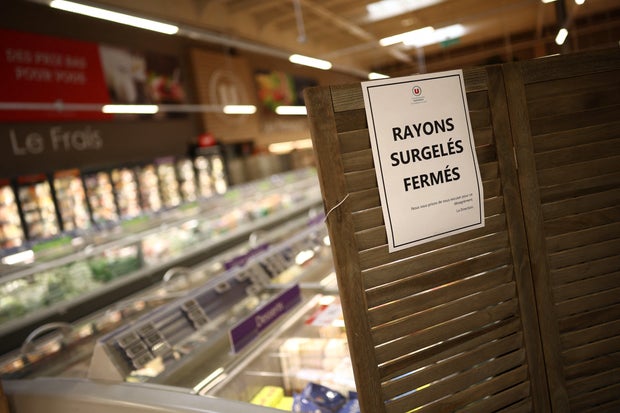
Supermarket operators in several European countries reported a new round of refrigeration failures on Monday after temperatures inside chilled cabinets and freezers rose unexpectedly, damaging food stocks. The disruptions affected retailers in Belgium, Luxembourg and Sweden and arrived less than a month after comparable problems at supermarkets in France. The clustering of the incidents has renewed concern that digitally connected retail equipment could become a target for malicious interference.
Ahold Delhaize, the food retailer based in the Netherlands, said an overnight information-technology incident affected refrigeration at dozens of stores in Belgium and Luxembourg. Belgian chain Colruyt also reported an overnight IT problem that coincided with unusually high temperatures in refrigerators and freezers at stores in the two countries. Both companies described the operational disruption, but the available accounts did not establish the full cause of each event.
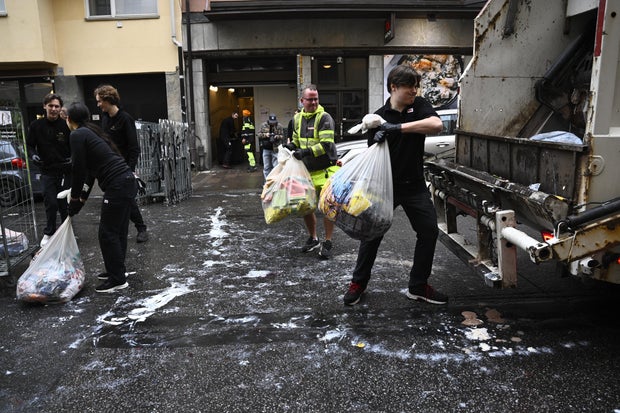
Sweden reported similar trouble. ICA and Coop, two grocery chains there, said their chilled and frozen storage systems experienced temperature increases. According to Reuters, one of the affected Swedish outlets went further than the others, identifying a cyberattack as the reason for its refrigeration problem. That difference matters: a reported IT incident and a confirmed cyberattack are not necessarily the same finding, even when the practical result is spoiled merchandise.
The immediate consequence was food that could no longer be kept within the required cold conditions. Refrigerators and freezers are basic parts of food retail, yet the incidents show how a fault affecting their controls can quickly move beyond a technical problem. Once temperatures climb, inventory can be lost, store operations can be disrupted and retailers must determine what product remains safe to sell. The reports did not specify a combined total for the food damaged in the latest cases.
The reports follow a larger French episode less than three weeks earlier. Several supermarket groups in France said they had been struck by a cyberattack that caused refrigeration temperatures to rise at hundreds of locations. In some cases, the reported readings reached 122 degrees Fahrenheit. The French event established a recent precedent for failures that were not confined to a single shop or one company, making Monday’s developments more closely watched.
That earlier episode had already shown how refrigerator controls can turn a digital security problem into an issue visible in store aisles. Monday’s disclosures extend the concern across national borders, but they do not demonstrate that the retailers encountered an identical method, a shared vulnerability or one coordinated operation.
Retailers increasingly rely on systems that link store equipment with wider IT operations, a connection that can help manage large networks but can also expose physical operations when technology goes wrong. The latest cases have therefore drawn attention not only because food was wasted, but because refrigeration is infrastructure with an immediate effect on daily business. The reports point to failures in equipment that customers may see as ordinary, even though its operation can depend on systems running beyond the sales floor.
There is still an important limit to what has been reported. Ahold Delhaize and Colruyt referred to an IT incident, while the Swedish accounts included an explicit cyberattack attribution from one outlet. Those descriptions leave open whether all of the latest temperature spikes arose from the same kind of event, from related attacks, or from separate technical problems. The timing is striking, but the information available does not by itself prove a single campaign across the affected countries.
What happens next will depend on whether the companies and investigators can identify how the disruptions began and whether other stores face the same exposure. The recent French incident and the new reports in Belgium, Luxembourg and Sweden create a broader pattern that retailers will need to examine. For shoppers, the visible evidence may be limited to unavailable goods; for grocery chains, the issue is whether a disruption in a digital system can again turn into a rapid loss of chilled and frozen inventory.
Source: CBS World
Related articles
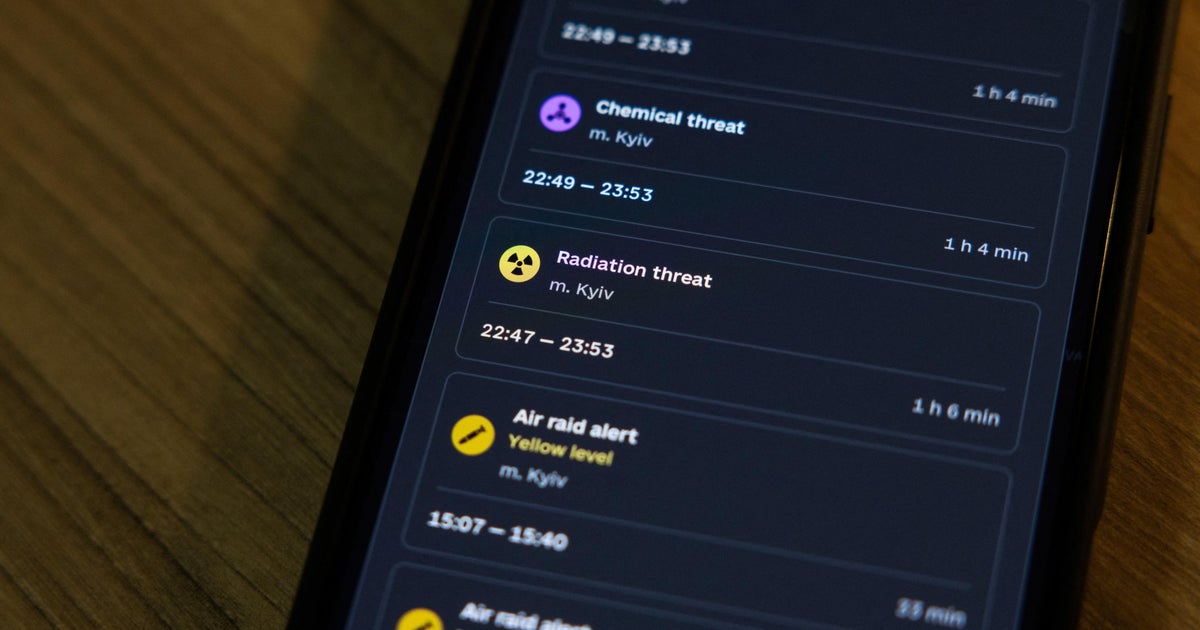
Hacked alert apps send Ukrainians, Russians fake attack warnings
Ukrainian and Russian emergency alert apps were hacked just hours apart, sending civilians false warnings of chemical and nuclear attacks.

Create AI images with your own API key
aixipi runs on desktop/web, uses your own model API balance, and avoids subscription lock-in.
Try aixipi →
U.S. issuing visas to Brazil's Flávio Bolsonaro and family, official says
Flávio Bolsonaro and his family will receive U.S. visas after Bolsonaro lost Brazil

8-month Iran war looms large over Israeli election
Israelis voted in a national election set to shape the country