
Inside the gold-mining town where the Ebola outbreak likely started

In Mongbwalu, a gold-mining town in northeastern Democratic Republic of Congo, health workers believe they have traced the roots of the country's latest Ebola flare-up. The remote settlement, built around informal mining pits rather than paved roads or reliable clinics, has become the focal point of an emergency response effort as officials race to keep the hemorrhagic fever from spreading further across the region.
Investigators tracking the outbreak's origins have zeroed in on the town partly because of how people there live and work. Miners dig and travel through dense forest terrain where contact with wildlife is routine, and the same informal economy that draws workers to the pits also makes it difficult to track who has fallen ill and who they might have exposed. That mix of isolation and constant movement has long made mining communities a recurring flashpoint for viral spillover in the region.
Responders on the ground describe a campaign hampered less by the virus's biology than by the practical shortages surrounding it. Medical teams working to isolate patients, trace contacts and distribute protective gear say they are stretched thin, lacking enough basic equipment to keep pace with the outbreak's spread through a town with limited infrastructure to begin with.
Compounding the logistical strain is a deeper obstacle: many residents simply do not accept that Ebola is behind the deaths and illnesses around them. Skepticism toward the official explanation has left some community members reluctant to cooperate with health workers, avoid people who are symptomatic, or seek treatment early, when interventions are most likely to save lives.
That distrust is not new to the region. Past Ebola responses in Congo have repeatedly run into resistance rooted in decades of conflict, weak government presence and previous public health campaigns that residents felt were imposed on them rather than explained to them. Rumors and alternative explanations for illness can spread as fast as the virus itself in communities that have little reason to trust outside authorities.
Public health specialists warn that this combination of skepticism and scarce resources creates conditions in which an outbreak can quietly outrun containment efforts. Ebola spreads through contact with bodily fluids, meaning traditional burial practices, caregiving within families and even healthcare settings without adequate protective supplies can all become transmission points if not managed carefully.
Not everyone involved in the response frames the situation the same way. Some officials and aid workers argue the bigger barrier is not disbelief but sheer access — reaching a town built around scattered mining camps with too few vehicles, medical staff and supplies to begin with. Others counter that even ample resources will fall short if the population does not trust the diagnosis driving the response.
What happens next in Mongbwalu is likely to shape the trajectory of the broader outbreak. Health authorities are expected to keep pushing for expanded supply deliveries and community outreach aimed at building trust, even as they acknowledge that both efforts take time the virus does not necessarily allow.
Source: NPR World
Related articles
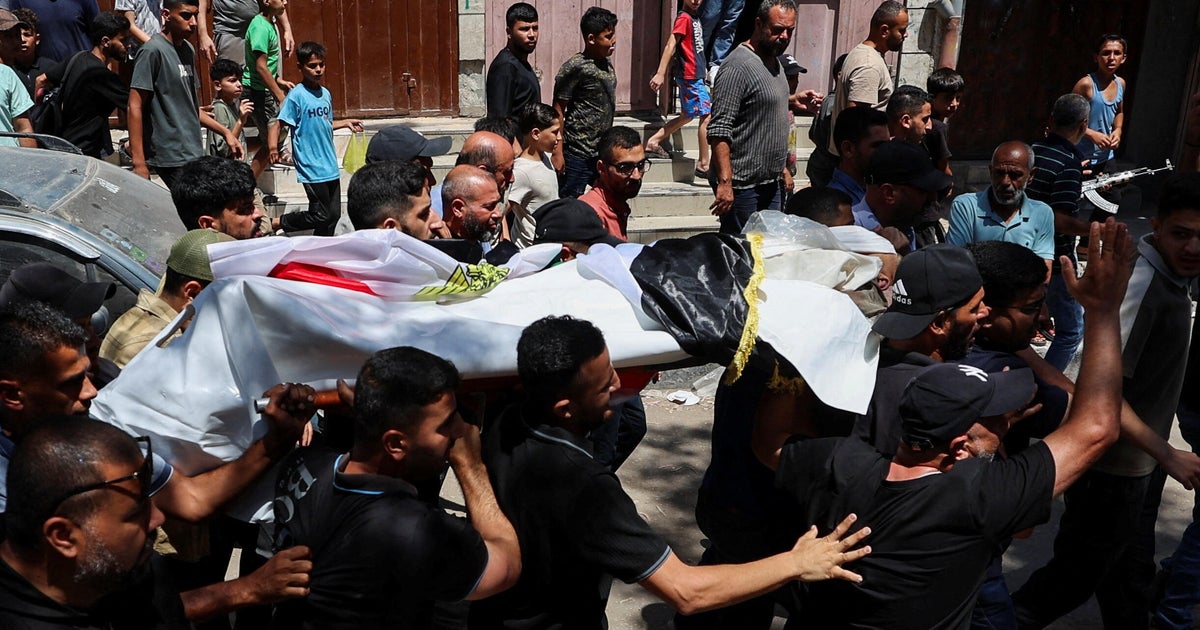
Israeli strike kills aid worker who brought World Cup screenings to Gaza
An Israeli strike has killed an aid worker who organized World Cup game screenings for Palestinians in the war-torn Gaza Strip, a hospital director says.

Create AI images with your own API key
aixipi runs on desktop/web, uses your own model API balance, and avoids subscription lock-in.
Try aixipi →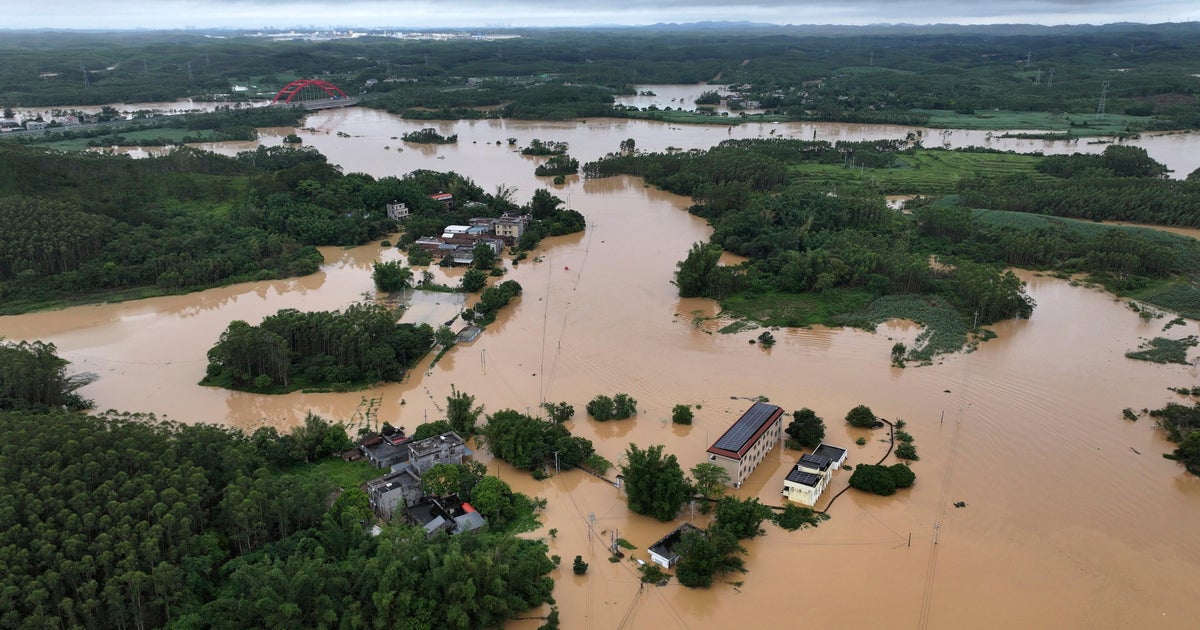
39 killed in southern China flooding after days of heavy rain
Authorities in southern China say 39 people have died in flooding after days of heavy rainfall from a tropical storm.