
'It's all literally rubble': Lebanese poet returns to see what has become of her home

A Lebanese poet who traveled back to her childhood village found little left to recognize, describing the scene in stark terms: "It's all literally rubble," she said upon seeing what remained of the home where she grew up. The visit, chronicled in a recent NPR World report, captures a moment shared by countless residents of southern Lebanon who have returned to communities flattened during the country's recent conflict, only to confront the physical erasure of the places that shaped them.
The writer's return was as much a personal reckoning as a journalistic one. For someone whose work has long drawn on memory and place, the destruction of a family home represents more than lost property — it strips away the physical anchors that once grounded her poetry. Walking through what used to be streets and rooms now reduced to broken concrete and twisted rebar, she confronted the gap between the village that lives in her writing and the wreckage now standing in its place.
Her village is one of many across southern Lebanon that suffered severe damage during the fighting that engulfed the border region in recent years. Israeli military operations targeting Hezbollah positions left entire neighborhoods in ruins in numerous towns, displacing residents who fled north or abroad and, in many cases, have only recently begun trickling back to assess the damage for themselves.
The scale of destruction across the region has made return a fraught experience for many families, not just this one poet. Homes, schools and shops that anchored generations of community life were reduced to debris fields, and in some areas the damage has been severe enough that basic infrastructure — water, electricity, passable roads — remains unreliable months after hostilities eased.
Beyond the material toll, the loss carries a cultural weight that is harder to measure. Writers, artists and everyday residents alike describe a sense that entire ways of life tied to specific villages, orchards and gathering places have been interrupted, if not permanently altered. For a poet whose identity is bound up in a specific landscape, the disappearance of that landscape raises questions about how memory and heritage survive when the physical evidence does not.
Reconstruction efforts in the south have moved unevenly. Lebanese authorities, already strained by years of economic crisis, have leaned heavily on international donors and aid organizations to fund rebuilding, but residents and local officials have repeatedly voiced frustration that promised support has arrived slowly or fallen short of what is needed to restore entire villages. Some families have opted to rebuild informally rather than wait for coordinated reconstruction programs.
Not everyone experiences the return the same way. Some displaced residents describe cautious hope that rebuilding, however slow, signals a path back to normal life, while others say the destruction they witnessed has left them reluctant to resettle at all, uncertain whether another round of conflict could undo any progress. That tension between rebuilding and bracing for renewed instability continues to shape decisions across the region.
For the poet, the visit appears to have reinforced writing as a way of preserving what physical spaces no longer can. Even as bulldozers and donor pledges determine what gets rebuilt and when, her account suggests that language may end up carrying the village forward in a form concrete and stone no longer can.
Source: NPR World
Related articles
Alvarez's 112th-minute goal helps lift Argentina past Switzerland 3-1 and into World Cup semifinals
Julian Alvarez sent defending champion Argentina into the World Cup semifinals with a long-range strike in the 112th minute against Switzerland.

Create AI images with your own API key
aixipi runs on desktop/web, uses your own model API balance, and avoids subscription lock-in.
Try aixipi →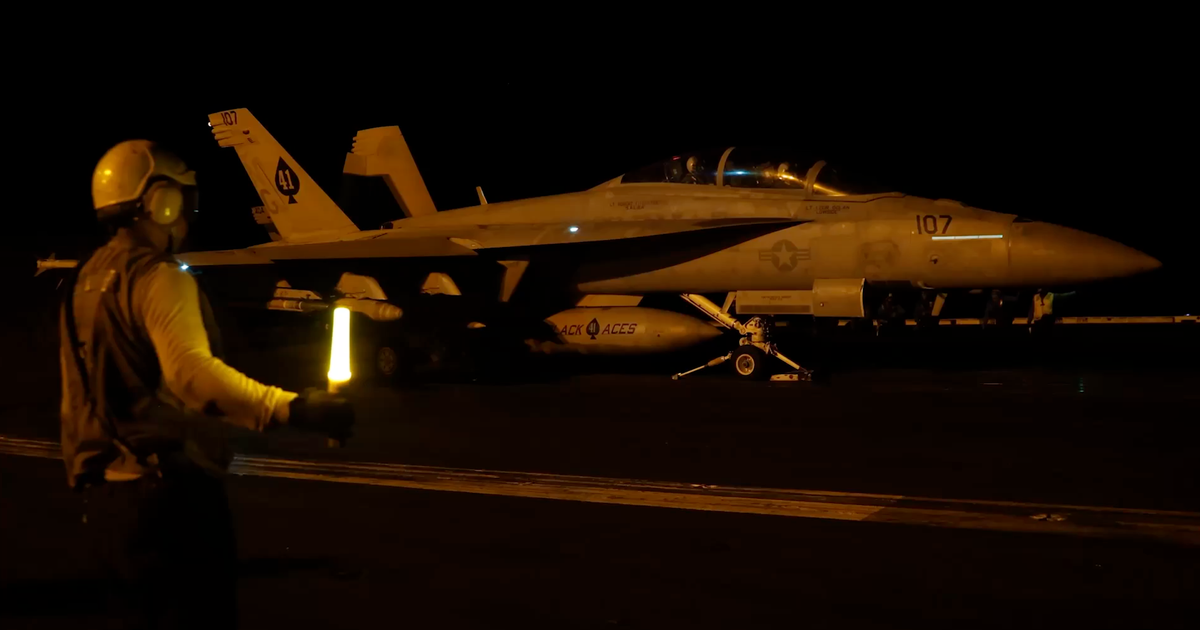
U.S. conducts another round of retaliatory strikes on Iran, Pentagon says
U.S. forces conducted their third round of strikes on Iran this week, this time in retaliation for an attack on a commercial ship in the Strait of Hormuz, the Pentagon said.
One of Spain's deadliest wildfires has killed at least 11 people
A wildfire in southern Spain has killed at least 11 people, making it one of the country's deadliest on record, as soaring temperatures grip much of the country.