
Rubio convenes countries on left-wing political violence
Secretary of State Marco Rubio brought together representatives from more than 60 nations on Thursday for a State Department gathering aimed at combating what the administration has branded "left-wing" political violence. The meeting marks the latest step in a broader campaign the White House has pursued to spotlight the issue on the international stage, positioning it as a shared security concern rather than a purely domestic political fight.
The timing is notable: the initiative arrives just months before midterm elections in which Republicans have made the framing of left-leaning extremism a central talking point. Party leaders have repeatedly pointed to a handful of high-profile incidents to argue that ideologically driven violence from the left poses a growing danger, and the diplomatic push appears designed to reinforce that narrative on a global scale ahead of the fall campaign season.
Yet the emphasis on left-wing violence sits awkwardly alongside independent research on the subject. Multiple academic and government-linked studies have found that documented instances of politically motivated attacks tied to left-leaning ideology remain rare within the United States. Researchers tracking domestic extremism have instead identified a longer and more consistent pattern of violence originating from far-right movements, which have historically accounted for a larger share of ideologically motivated attacks and plots.
That gap between the administration's rhetorical focus and the data has drawn scrutiny from analysts who study political violence, some of whom caution that elevating one category of threat while downplaying another risks distorting how governments and the public perceive where real dangers lie. Critics argue that resources devoted to countering a statistically smaller threat could come at the expense of monitoring more frequent sources of violence.
The gathering follows a week of heightened diplomatic activity for Rubio, who was seen alongside President Trump on Tuesday during an Oval Office meeting with Iraqi Prime Minister Ali al-Zaidi, underscoring the secretary's packed schedule balancing multiple foreign policy priorities simultaneously. Officials have not detailed exactly what commitments, if any, the more than five dozen participating countries agreed to during Thursday's session, or whether the effort will produce a formal joint statement or coordinated policy framework.
State Department officials have framed the campaign as part of a broader effort to build international consensus around emerging threats to democratic institutions, though the administration has offered limited public data to support the scale of the problem it describes. It remains unclear how participating governments, many of which face their own distinct political violence challenges, will translate Thursday's discussion into concrete action.
Observers say the coming weeks will show whether the initiative evolves into a lasting multinational framework or functions primarily as a messaging exercise timed to domestic political concerns. Congressional Democrats and some outside researchers are likely to continue pressing the administration to address far-right violence with comparable urgency, setting up a debate over threat prioritization that could persist well into the midterm election cycle.
Source: NPR World
Related articles
Alvarez's 112th-minute goal helps lift Argentina past Switzerland 3-1 and into World Cup semifinals
Julian Alvarez sent defending champion Argentina into the World Cup semifinals with a long-range strike in the 112th minute against Switzerland.

Create AI images with your own API key
aixipi runs on desktop/web, uses your own model API balance, and avoids subscription lock-in.
Try aixipi →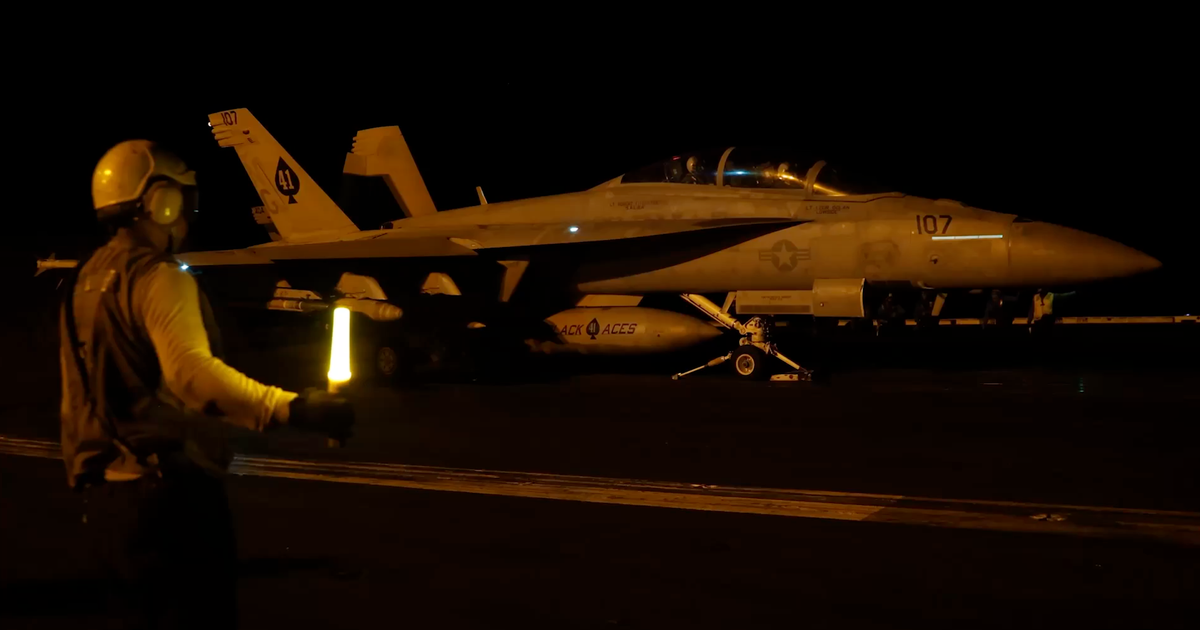
U.S. conducts another round of retaliatory strikes on Iran, Pentagon says
U.S. forces conducted their third round of strikes on Iran this week, this time in retaliation for an attack on a commercial ship in the Strait of Hormuz, the Pentagon said.
One of Spain's deadliest wildfires has killed at least 11 people
A wildfire in southern Spain has killed at least 11 people, making it one of the country's deadliest on record, as soaring temperatures grip much of the country.