
Spain's Pedro Sánchez was a hero of migrants. After Ceuta, he faces his biggest challenge

Spain’s government moved to contain a major migration emergency in Ceuta after about 60,000 people entered the Spanish territory from Morocco, a surge that has put Prime Minister Pedro Sánchez under intense political pressure. Sánchez, long identified with a welcoming approach to migration, is now confronting criticism both inside Spain and beyond its borders as officials try to show that control has been restored.
By Saturday morning, the government said the situation in the North African enclave was under control. Authorities had deployed the army to the area and begun placing a floating barrier measuring 500 meters along the maritime frontier with Morocco. The measures underline the scale of the response after the mass crossings and signal that Madrid sees the border as the immediate test of its ability to manage the crisis.

Ceuta is a Spanish enclave on the North African coast, directly adjoining Morocco, so a crossing there has implications that extend beyond a local border incident. The territory combines a land boundary with a nearby shoreline, making it a focal point whenever movement toward Spanish-controlled territory rises. Its location means decisions made in Ceuta are viewed not only as Spanish domestic policy, but also as part of Europe’s wider debate over external borders.
A photograph taken on July 31 showed one migrant walking over rocks near the Moroccan border after swimming toward Ceuta. The image illustrated the dangerous physical route faced by people attempting to reach the enclave, where the sea and rough shoreline are part of the crossing. It also gave a human dimension to an episode otherwise defined by a striking official estimate of the number of people who had arrived.
Sánchez went to Ceuta on Friday and addressed reporters there. The appearance followed a political pattern that has helped define his public response to difficult moments: first energizing his political base, then seeking to set the terms of the debate. This time, however, the event came as the migration surge threatened to overwhelm the message of confidence his government wanted to project.
The pressure on Sánchez is especially acute because his government has been associated with pro-immigration positions. Supporters can view that stance as an effort to defend dignity and humanitarian principles, while critics may argue that a large-scale crossing exposes gaps in border management. The episode places those competing views in direct tension, forcing the government to balance the treatment of migrants with visible steps to secure an external frontier.

The response also has an international dimension. Because the people crossed from Morocco into Spanish territory, Madrid’s handling of Ceuta will be watched closely in Rabat as well as in other European capitals concerned with migration routes and border cooperation. The new barrier and military mobilization may reassure people seeking an immediate response, but they also show that the challenge cannot be assessed solely through events inside Ceuta.
For the government, declaring the crisis contained is an important first marker, not necessarily a final resolution. The durability of the security measures, the ability to manage those who have already arrived and the possibility of further crossings will shape whether the announcement holds. The political consequences for Sánchez will likewise depend on whether he can persuade supporters and skeptics that enforcement and a pro-migration identity can coexist.
What happens next will test both the practical and political limits of Spain’s approach. The army’s presence and the 500-meter floating barrier show a rapid turn toward physical border controls, while Sánchez’s trip to Ceuta shows the importance he places on public leadership. With domestic backlash already building and scrutiny coming from abroad, the events at the enclave have become one of the most consequential challenges of his time in office.

Source: NPR World
Related articles
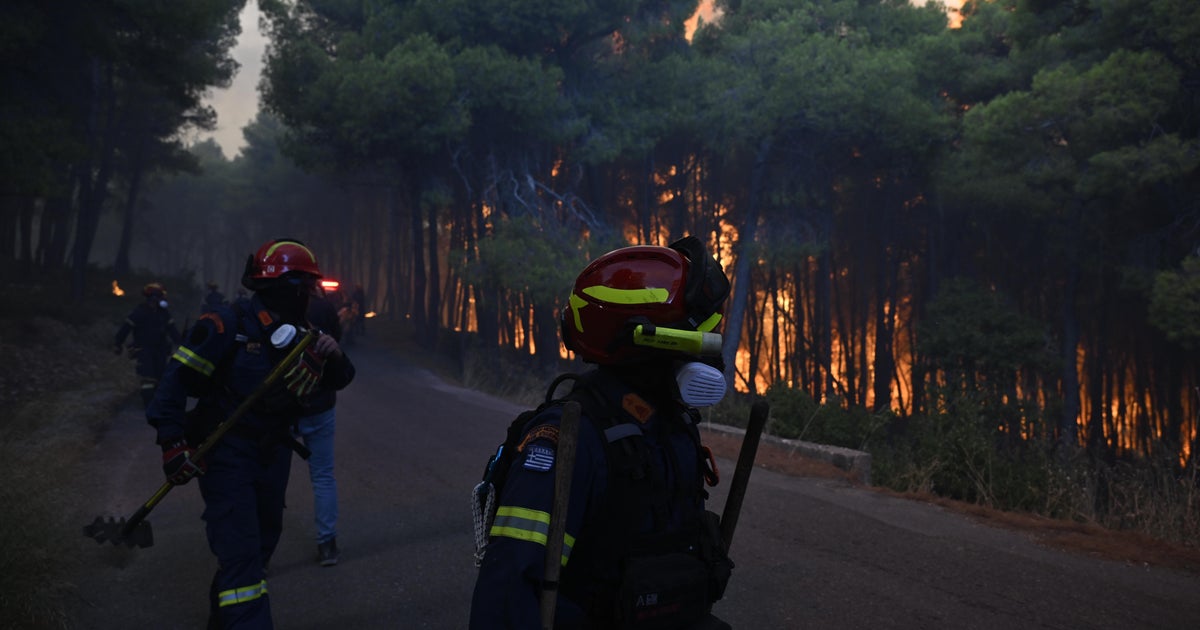
Wildfire danger in Europe shifts to Greece as evacuation orders remain in France
For Greece, the danger carried grim resonance: a 2018 wildfire at the seaside community of Mati, near Athens, killed 104 people.

Create AI images with your own API key
aixipi runs on desktop/web, uses your own model API balance, and avoids subscription lock-in.
Try aixipi →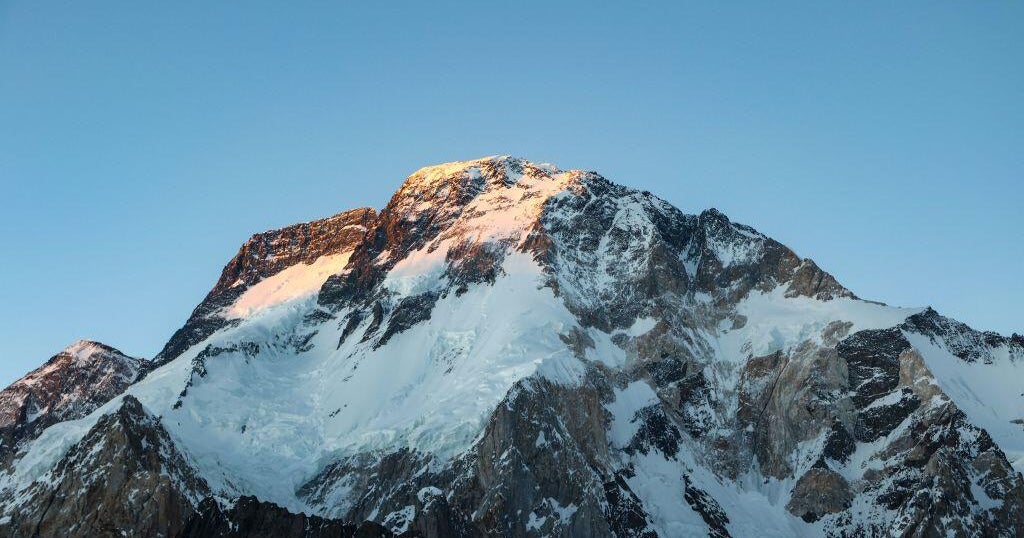
10 climbers, including famed mountaineer, dead in Pakistan avalanche
The 10-person expedition lost contact with its base camp after an avalanche struck Broad Peak as they attempted to scale the mountain.

Avalanche in Pakistan kills famed mountaineer Nirmal Purja and his fellow climbers
A mountaineering team with climbers from around the world, including the U.S., was attempting to climb one of the tallest peaks on earth.