
Wildfire danger in Europe shifts to Greece as evacuation orders remain in France
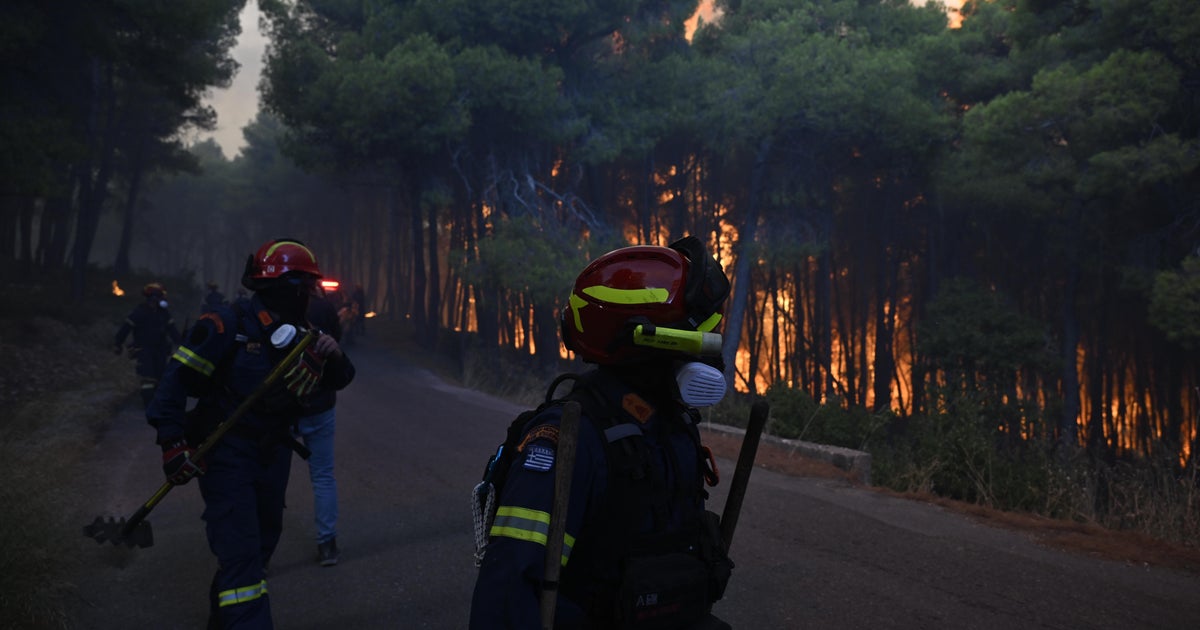
Wildfire pressure across much of western Europe appeared to ease on Saturday, but the most acute threat moved east to Greece. There, high winds pushed a fire through a resort on the coast, creating a rapidly changing emergency for residents and rescue crews. Hundreds of people were taken away by sea as the blaze advanced, while the same conditions complicated efforts to use firefighting aircraft. The shift in danger showed that improvement in one part of Europe did not end the wider fire risk.
The developing situation in Greece stood in contrast to a more settled, though still cautious, picture in southwestern France. Firefighters in Gironde had kept a major blaze inside its perimeter, allowing a huge evacuation operation to begin unwinding. Authorities said about 198,000 people had been permitted to go home after being displaced in what could have been France’s largest peacetime evacuation. The scale of those returns reflected how broadly the fire had affected surrounding communities.
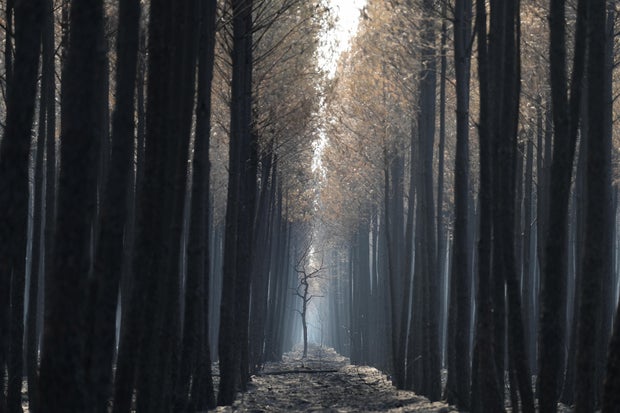
In Greece, wind was central to the emergency. Gale-force gusts helped carry flames through the seaside resort and made an already demanding response more difficult to coordinate from above. Aircraft are a key part of firefighting operations, but the weather restricted their ability to assist. Emergency crews therefore faced simultaneous challenges: a fire moving under severe wind conditions and the need to get residents out of danger quickly.
The use of boats to move people away highlighted the importance of the coastal setting. For those near the shore, the water provided an escape route as fire spread through the resort area. Such an evacuation is more than a transfer from one location to another; it requires authorities to manage safe transport while firefighters continue addressing a volatile blaze. It also demonstrates how a wildfire can rapidly become a broader public-safety emergency.
The threat has especially painful significance in Greece because of the country’s recent history. In 2018, a wildfire devastated Mati, a coastal community near Athens, killing 104 people. That disaster remains Europe’s deadliest wildfire of the 21st century. The memory of Mati gives renewed urgency to efforts to protect people in populated seaside areas when fires and intense winds coincide.
France, meanwhile, had reached a different phase of the crisis. Interior Minister Laurent Nunez said the Gironde blaze was “under control,” although he also said several sectors still needed close observation. His assessment indicated that firefighters had stopped the fire from extending beyond its boundaries, but it did not suggest that all risks had disappeared. The remaining areas of concern required continued vigilance despite the broader progress.
Allowing nearly 198,000 people to return is a major step after such a large displacement, yet it also requires a carefully managed transition. The decision to permit residents back came after firefighters established containment, while officials continued monitoring the limited areas that remained sensitive. The French response illustrates the difference between bringing a fire’s expansion under control and declaring the emergency entirely finished.
Together, the French and Greek situations show how a regional wildfire emergency can relocate rather than simply fade. Western Europe saw a relative easing, but Greece became the primary focus as winds intensified the danger around a coastal resort. France was moving from mass evacuation toward controlled returns, while Greece was confronting evacuation needs and operational limits on aerial firefighting at the same time.
Attention will now remain on whether conditions in Greece become less favorable to fire spread and more workable for emergency aircraft, as well as whether the remaining watch points in Gironde remain stable. In both countries, the immediate task is to limit the threat to communities while officials weigh the risks of evacuation, return and continued fire response. The contrasting developments underline the uncertainty that persists even after one major front appears to improve.
Source: CBS World
Related articles

Spain's Pedro Sánchez was a hero of migrants. After Ceuta, he faces his biggest challenge
The pro-immigration leader is facing backlash at home and abroad after roughly 60,000 people crossed from Morocco into the Spanish enclave.

Create AI images with your own API key
aixipi runs on desktop/web, uses your own model API balance, and avoids subscription lock-in.
Try aixipi →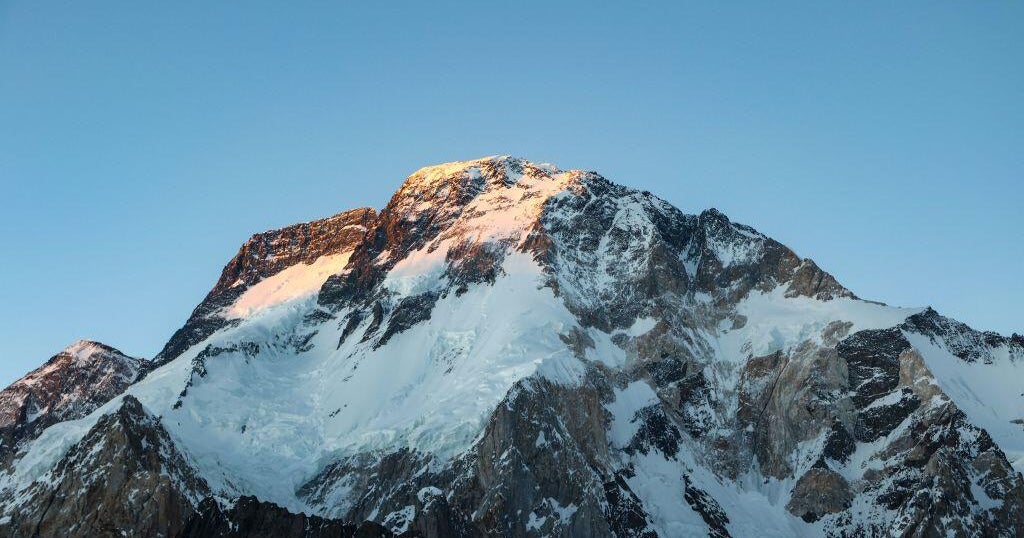
10 climbers, including famed mountaineer, dead in Pakistan avalanche
The 10-person expedition lost contact with its base camp after an avalanche struck Broad Peak as they attempted to scale the mountain.

Avalanche in Pakistan kills famed mountaineer Nirmal Purja and his fellow climbers
A mountaineering team with climbers from around the world, including the U.S., was attempting to climb one of the tallest peaks on earth.