
The possible return of Somali pirates poses a new problem for the shipping industry

Shipping companies navigating the tense standoff around the Strait of Hormuz are facing a second, less-publicized threat: reports of Somali pirates re-emerging off the Horn of Africa. Vessel operators and maritime security analysts warn that this resurgence could compound an already precarious moment for global trade routes, as attention and resources remain fixed on the Persian Gulf chokepoint.
For much of the past decade, Somali piracy had faded from the headlines after peaking in the late 2000s and early 2010s, when hijackings for ransom disrupted vessel traffic along one of the world's busiest maritime corridors. International naval coalitions, armed private security teams aboard commercial ships, and stronger coordination with regional authorities in Puntland and elsewhere in Somalia drove attacks down sharply, and the route was largely considered stabilized in recent years.
Now, with global attention diverted toward the Strait of Hormuz — where tensions have already forced insurers and shipping firms to reassess risk in a separate crisis — maritime watchers say conditions may be ripening for pirate crews to test the waters again. A distracted international response, paired with reduced naval presence in some patrol zones, could give opportunistic hijackers room to operate with less deterrence than they faced during the height of anti-piracy patrols.
The stakes for the shipping industry are considerable. Vessels transiting the waters near the Horn of Africa carry goods bound for ports across Europe, Asia, and the Middle East, and any spike in hijackings or ransom demands typically drives up insurance premiums, war-risk surcharges, and rerouting costs that ultimately filter down to consumers. Shippers already grappling with elevated costs tied to the Hormuz situation now face the prospect of absorbing a second layer of expense if crews and cargo again become targets off Somalia.
Industry observers caution that it remains uncertain whether the reported activity will escalate into a sustained wave of hijackings comparable to the earlier piracy era, or whether it proves to be a more limited, opportunistic flare-up. Some maritime security consultants argue that the infrastructure built during the last crackdown — including armed escort services and established naval liaison channels — could be reactivated relatively quickly if the threat proves serious, tempering fears of a full-scale return to the chaos of over a decade ago.
Still, the timing is seen as particularly awkward for an industry already stretched thin. With naval assets and diplomatic bandwidth concentrated on the Gulf standoff, some analysts worry that a coordinated response to a renewed Somali threat could lag behind what was mustered during the previous crisis, leaving individual shipping lines to weigh costly private security measures on their own.
What happens next likely hinges on whether isolated incidents near Somali waters multiply into a broader pattern, and whether governments and international bodies can spare the naval resources to respond even as they remain focused on the Middle East. For now, shipping companies are being urged to monitor advisories closely and reassess route planning, as the industry braces for the possibility of managing two simultaneous maritime security crises rather than one.
Source: NPR World
Related articles

Israeli strike kills aid worker who brought World Cup screenings to Gaza
An Israeli strike has killed an aid worker who organized World Cup game screenings for Palestinians in the war-torn Gaza Strip, a hospital director says.

Create AI images with your own API key
aixipi runs on desktop/web, uses your own model API balance, and avoids subscription lock-in.
Try aixipi →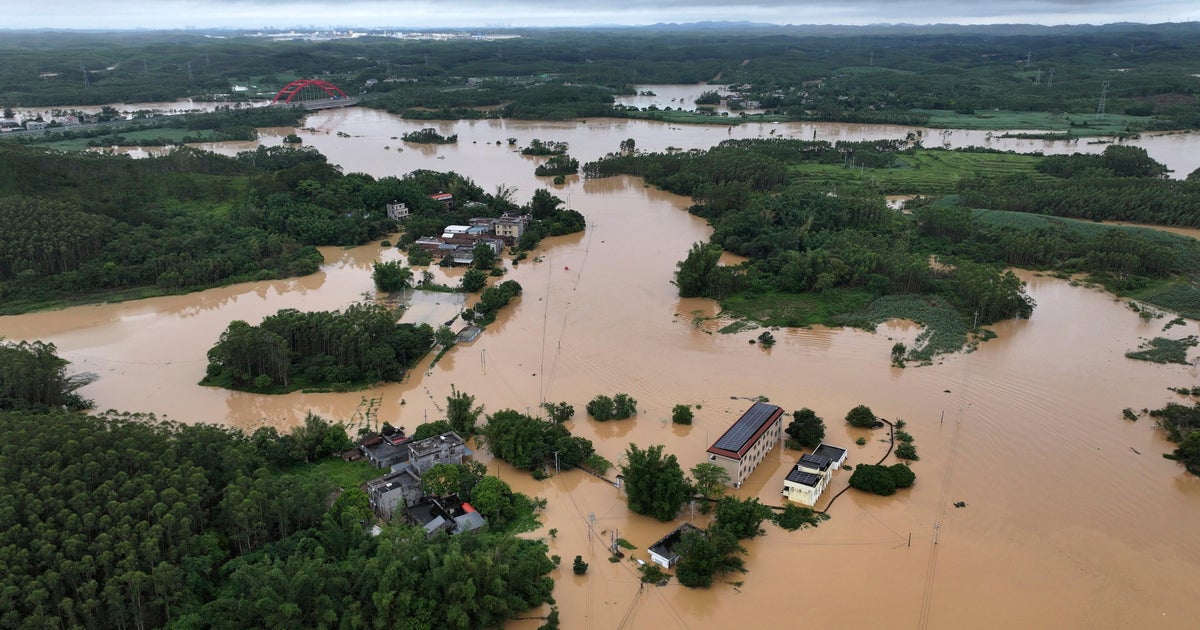
39 killed in southern China flooding after days of heavy rain
Authorities in southern China say 39 people have died in flooding after days of heavy rainfall from a tropical storm.