
Two Years After World War II Ended, This Ship Brought the Bodies of 6,251 Fallen Service Members Back Home to America
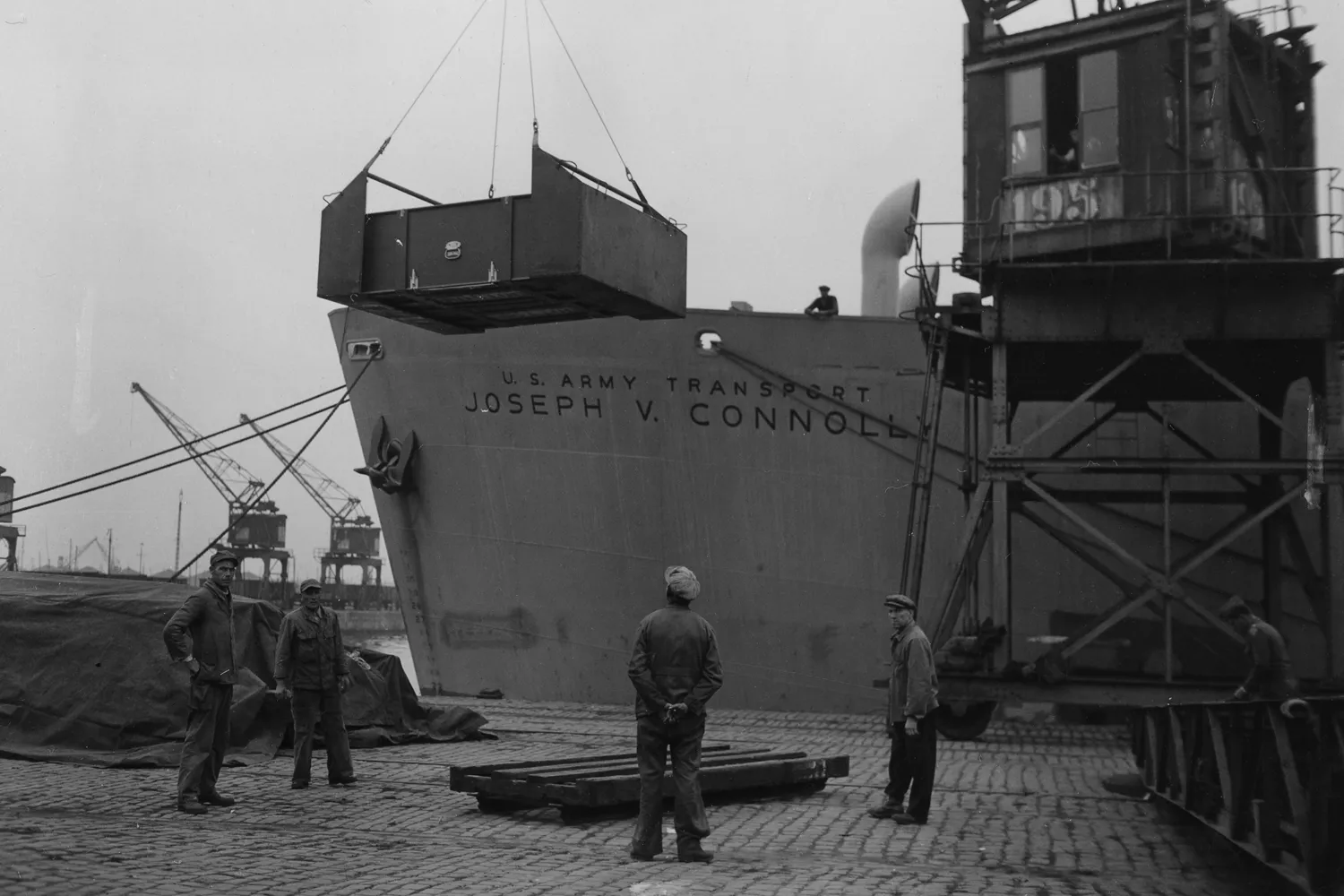
On October 26, 1947, the S.S. Joseph V. Connolly reached New York City carrying an unusually solemn cargo: 6,251 American service members who had died in World War II. The ship approached the harbor nearly two years after the conflict had ended, with coffins placed below deck for the final passage home. The dead represented a broad span of the military, from enlisted men to senior commanders, including three-star generals.
The arrival turned a working vessel into the setting for a national obligation that extended well beyond one voyage. For families awaiting word and remains, the ship’s entry into New York marked a point at which a distant war became personal again. The caskets were not simply freight. They were part of a government effort to return deceased service members to the United States when their closest relatives requested it.
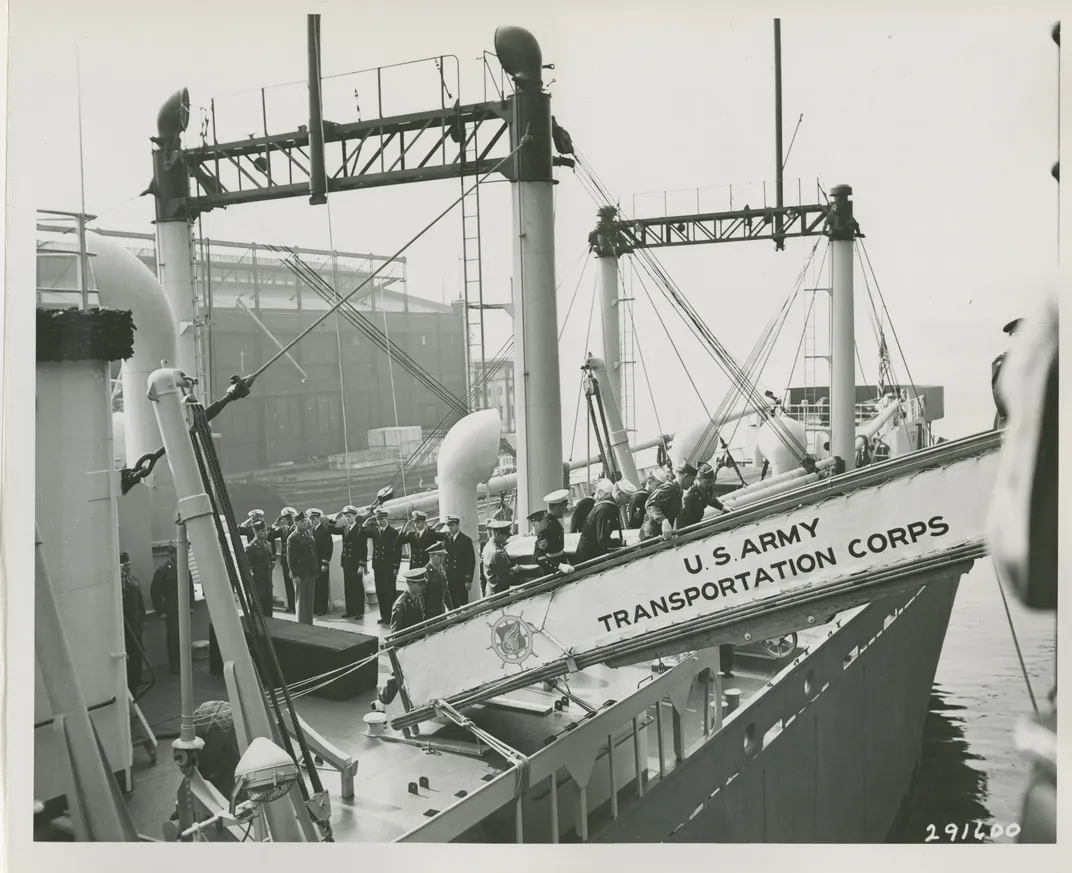
That policy created a vast postwar undertaking. Combat had ended, but the work of accounting for those who never returned had not. The United States faced the difficult task of locating the dead and responding to family decisions about burial. The Connolly’s 1947 journey showed the scale of that responsibility in a single harbor arrival.
More than 400,000 Americans in uniform died during World War II. The Army ultimately found the remains of about 280,000 of them, underscoring that recovery itself was incomplete even before decisions about return and burial were made. Of the remains located, 171,752 were sent back to the United States. The figures place the 6,251 people aboard the Connolly within a much larger national program.
The numbers also point to an important limit in any account of repatriation: not every death produced remains that could be recovered. Nor did every recovered set of remains follow the same path. The return program applied to those whose next of kin sought repatriation, making family preference central to an effort often described in national terms. A homecoming for one family could therefore sit alongside a different decision for another.
For New York, the ship’s arrival gathered together losses from a worldwide conflict. The people aboard had not shared a single rank, service experience or personal history, yet their transport joined them in one public moment. Privates and high-ranking officers were carried under the same mission, a reminder that the military’s dead included people from sharply different positions within the armed forces.
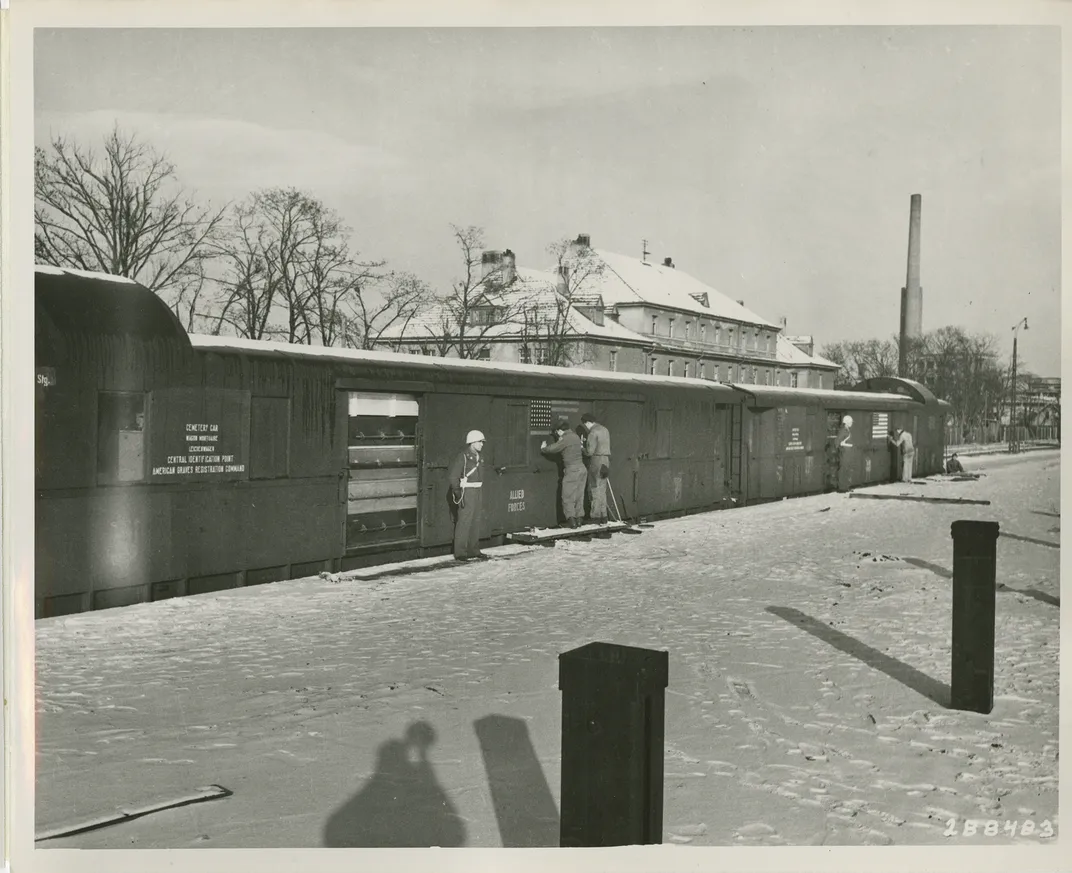
The timing mattered as well. Two years after the war, the United States was still confronting its human toll rather than closing the chapter cleanly with victory. The Connolly’s passage made visible the distance between the end of fighting and the completion of wartime responsibilities. It also showed why a formal end date could not resolve the practical and emotional consequences for relatives of those who had been killed.
The recovery totals provide a broader perspective on the voyage’s significance. The return of 171,752 sets of remains was substantial, but it was not equivalent to returning every American who died. More than 400,000 had been lost, and the Army had located roughly 280,000. Those gaps are essential context: the repatriation project was expansive, yet bounded by what could be found after the war.
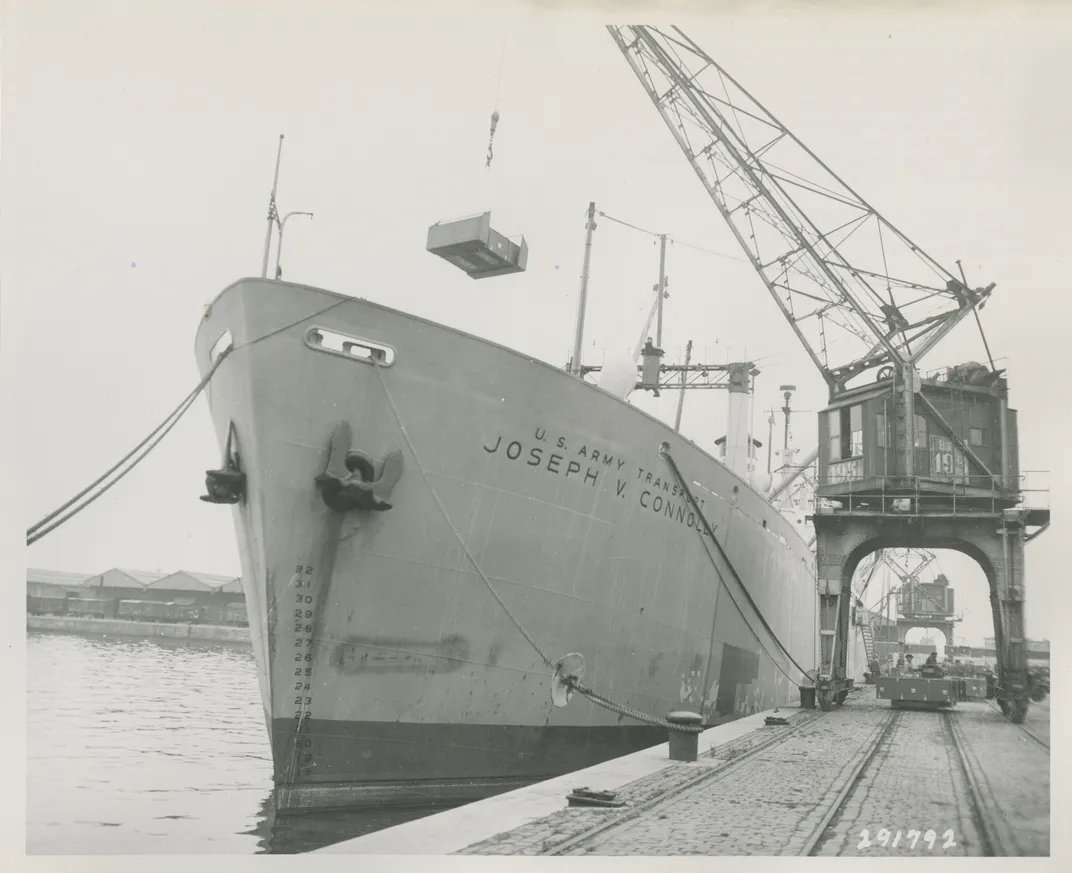
The Connolly’s October 1947 arrival remains a concentrated image of that postwar process: a ship nearing New York with 6,251 caskets, families’ requests shaping the destination, and a country still carrying out obligations created by World War II. Its cargo connected individual bereavement to a larger administrative mission, while the recovery figures show both the reach of that mission and the losses it could not fully resolve.
Source: Smithsonian Magazine
Related articles
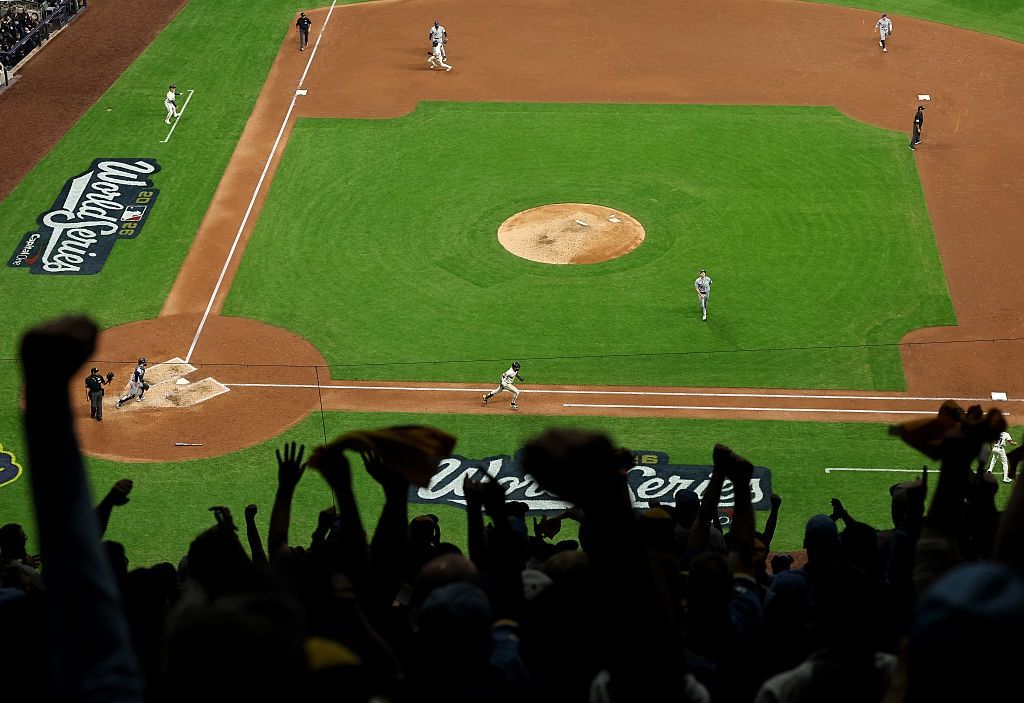
Art Museums in Milwaukee and Tampa Bay Are Betting That Their Hometown Baseball Teams Will Win the World Series. The Wager? Monet Paintings
As the Brewers take on the Rays in the Fall Classic, two art museums are engaged in a friendly bit of sports betting: The winning city (temporarily) gets a Monet from the other city's collection

Play Tractor online with friends — free
Real-time Sheng Ji / Tractor for 3–5 players, with complete bidding and trump rules across web, iOS and Android.
Play bidfive →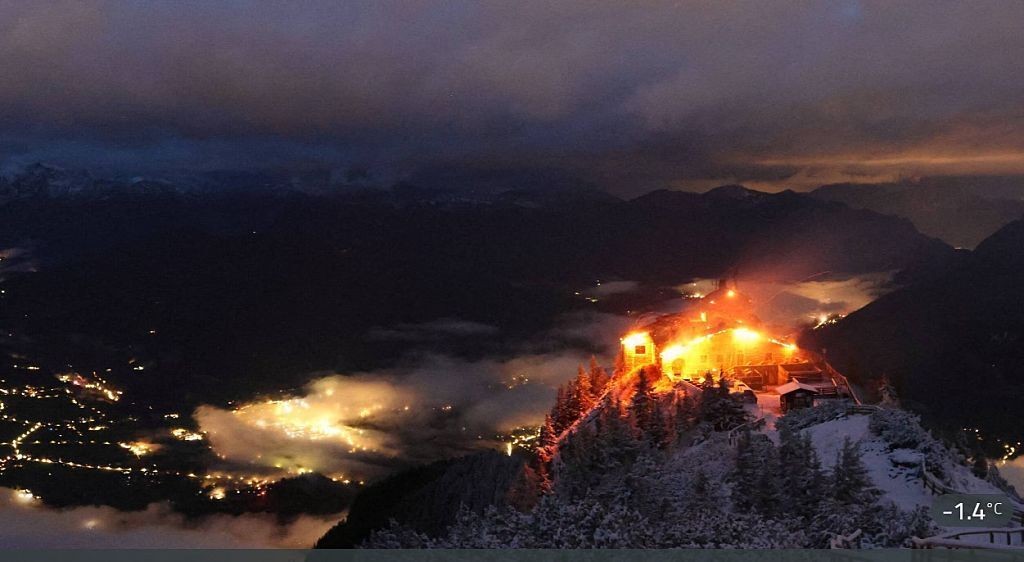
A Fire Ravaged the 'Eagle's Nest,' an Alpine Retreat Built for Top Nazis. What Happens Next?
Police have detained a 33-year-old German citizen in connection with the blaze, which gutted the infamous historic building. In recent years, the mountaintop guesthouse hosted a restaurant, beer garden and exhibit about the site's dark past

These 15 Photos Perfectly Capture the Beautiful Red Rocks of Sedona, Arizona
The images from the Smithsonian Magazine Photo Contest archives will have you packing your bags for the mountains of the American Southwest

GTA 6 guides, updates and practical reference
Explore a Chinese GTA 6 guide library covering the release, map, characters, missions, vehicles and weapons.
Browse guides →
Create AI images with your own API key
aixipi runs on desktop/web, uses your own model API balance, and avoids subscription lock-in.
Try aixipi →