
These 15 Photos Perfectly Capture the Beautiful Red Rocks of Sedona, Arizona
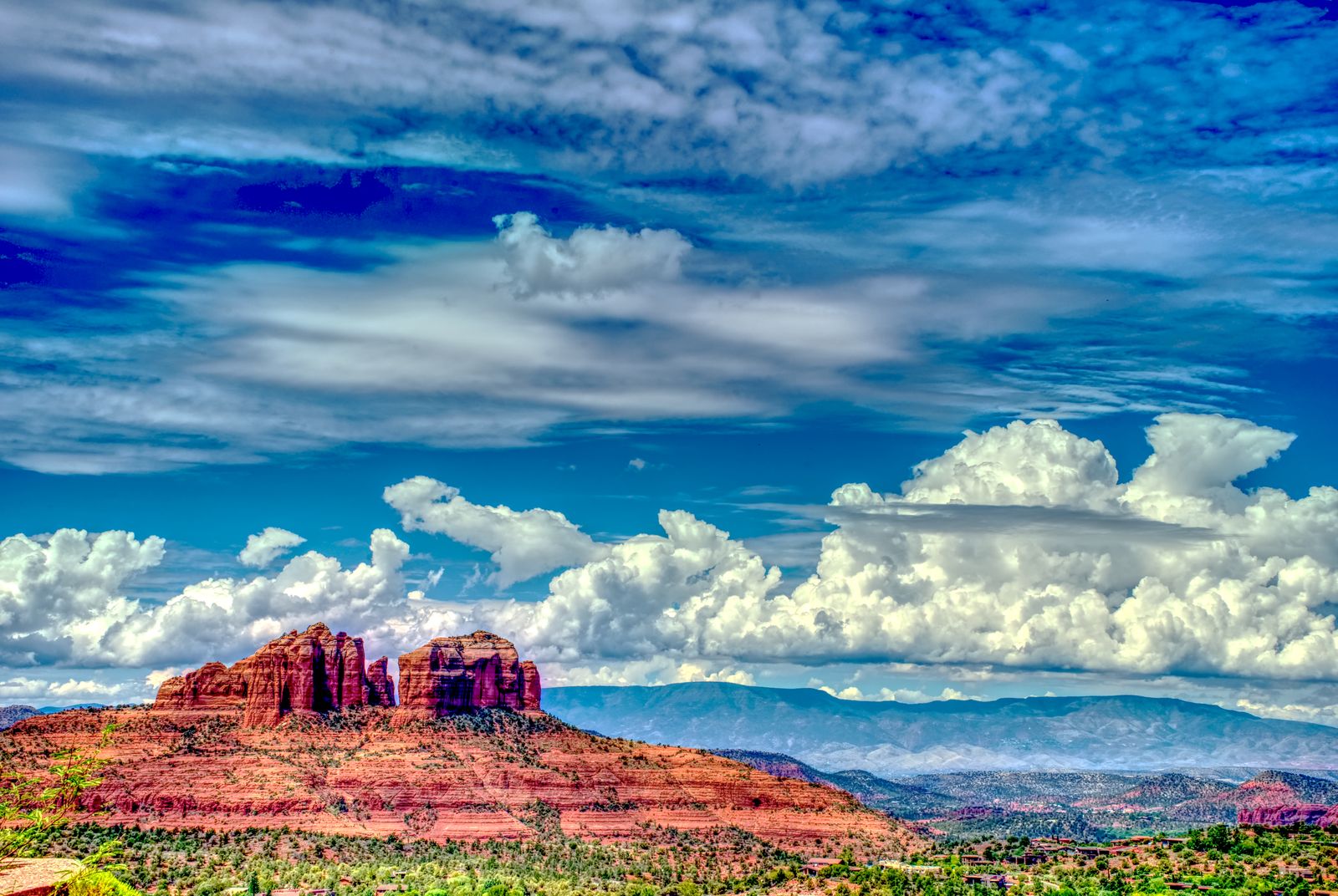
A newly highlighted selection of 15 photographs turns attention toward Sedona, Arizona, where red-rock country has long defined the visual character of the American Southwest. Drawn from the Smithsonian Magazine Photo Contest archive, the images invite viewers to consider the area through photography rather than a conventional travel itinerary. Their collective focus is the region’s stone formations, mountain scenery and the powerful colors associated with Sedona’s landscape.
The presentation arrives as visual storytelling continues to shape how many people encounter places before they visit them. A still image can isolate a ridge, a cliff face or an expanse of desert light, making geological forms the main subject. In this case, the 15-image collection places Sedona’s terrain at the center, offering a concentrated view of the scenery that has made the city and its surroundings a familiar symbol of Arizona’s high desert.
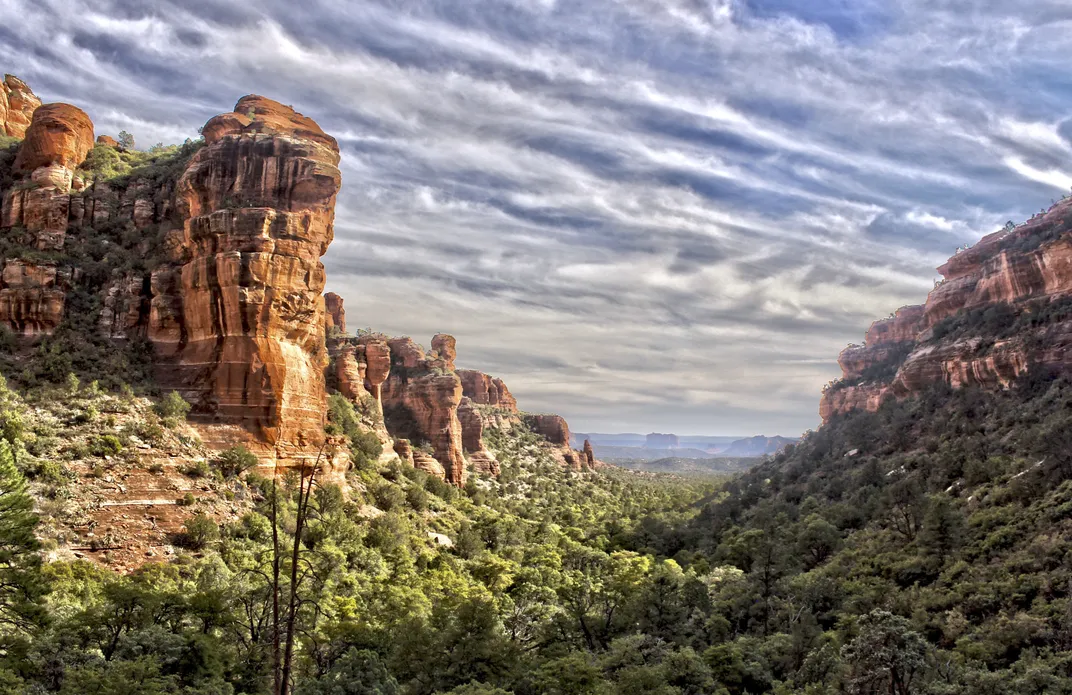
Sedona sits within a broader Southwestern environment known for dramatic landforms and broad vistas. The red hues visible in its rocks are central to the area’s public identity, and the photographs use that signature palette as a way into the landscape. Rather than treating the destination as a single landmark, the collection suggests that its appeal comes from the changing relationships among rock, elevation, distance and light.
The images also reflect the role of photography archives in extending the life of work submitted for a contest. A photograph initially made for one audience can later be assembled with other images to form a new portrait of a place. Selecting 15 views from an archive does not claim to be a complete account of Sedona; it is an editorial framing that emphasizes one aspect of the region: its striking red-rock setting.
For potential travelers, the collection may serve as an introduction to the mountains and desert scenery of the Southwest. Its effect is less about providing practical travel guidance than about creating a sense of scale and atmosphere. That distinction matters. Images can encourage curiosity and inspire a journey, but they cannot by themselves explain conditions on the ground, seasonal differences or the many decisions involved in visiting a popular landscape.
There is also a wider cultural dimension to such photo features. Landscapes are often experienced at a distance through magazines, social platforms and galleries before people see them in person. Curated images can make a destination more accessible to an audience far away, while also narrowing attention to views that fit a chosen visual story. The Sedona selection foregrounds beauty and color, leaving other possible ways of understanding the place outside the frame.
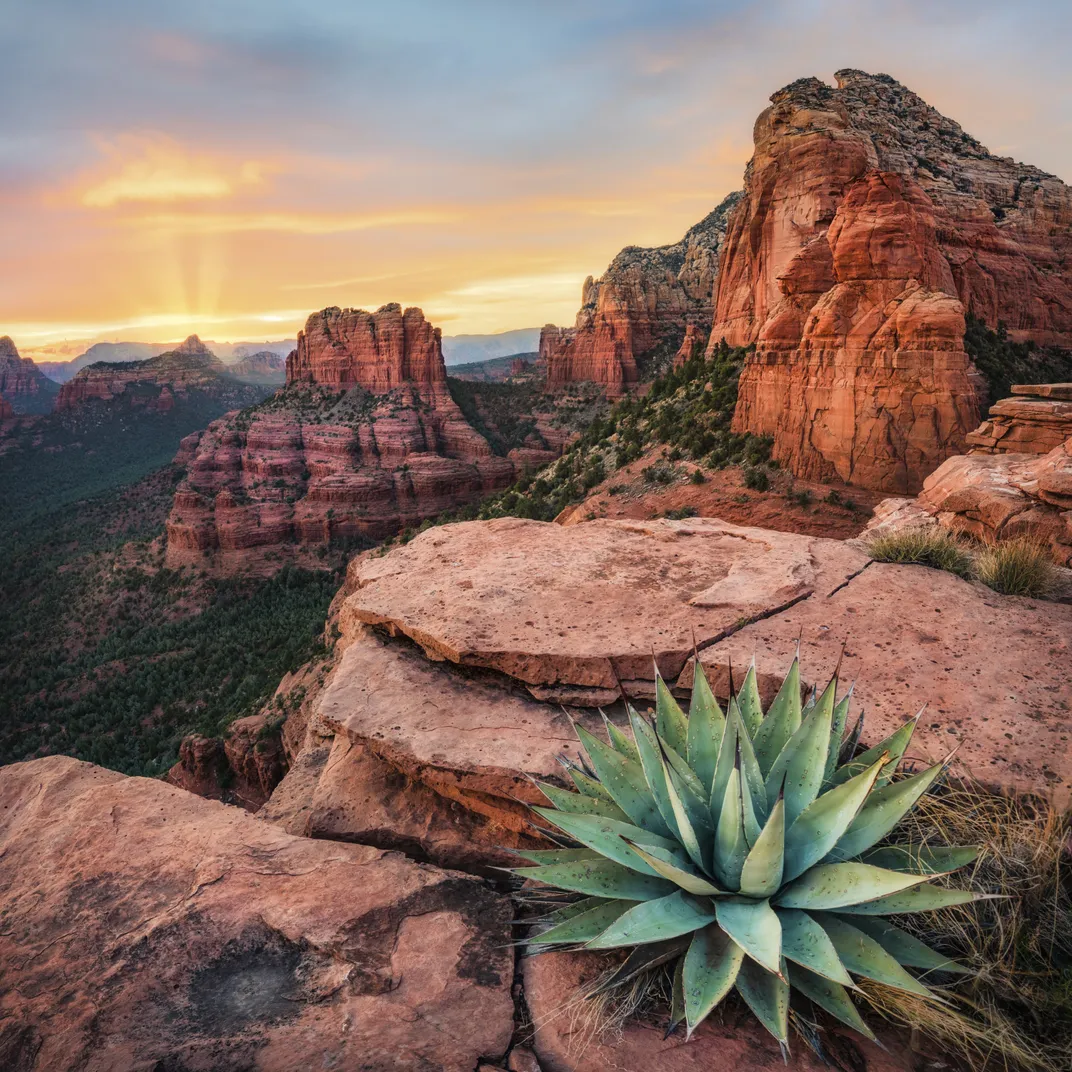
That is not necessarily a weakness, but it is a useful caveat for readers approaching the portfolio. Photography is both a record and an interpretation: framing determines what appears important, while a sequence of pictures creates a particular rhythm of looking. The 15 photographs offer an invitation to appreciate red-rock scenery, not a definitive statement about every part of Sedona or every experience available there.
The feature was prepared under the editorial stewardship of Tracy Scott Forson, a senior editor at Smithsonian magazine. The publication also notes that it participates in affiliate-link advertising programs and may receive a commission when readers buy products through qualifying links. That disclosure concerns the publication’s commercial arrangements and is separate from the photographic collection itself.
What follows will depend on how readers use the images: as a moment of visual escape, as a starting point for learning about the Southwest, or as motivation to plan a future trip. The immediate story is simpler: an archival group of photographs has brought renewed attention to Sedona’s red rocks and the enduring pull of the region’s mountain landscapes. For now, the archive format gives the feature a durable afterlife beyond the original contest entries. It allows the photographs to be viewed together, with Sedona serving as the common subject and the red rocks as the unifying visual thread.

Source: Smithsonian Magazine
Related articles
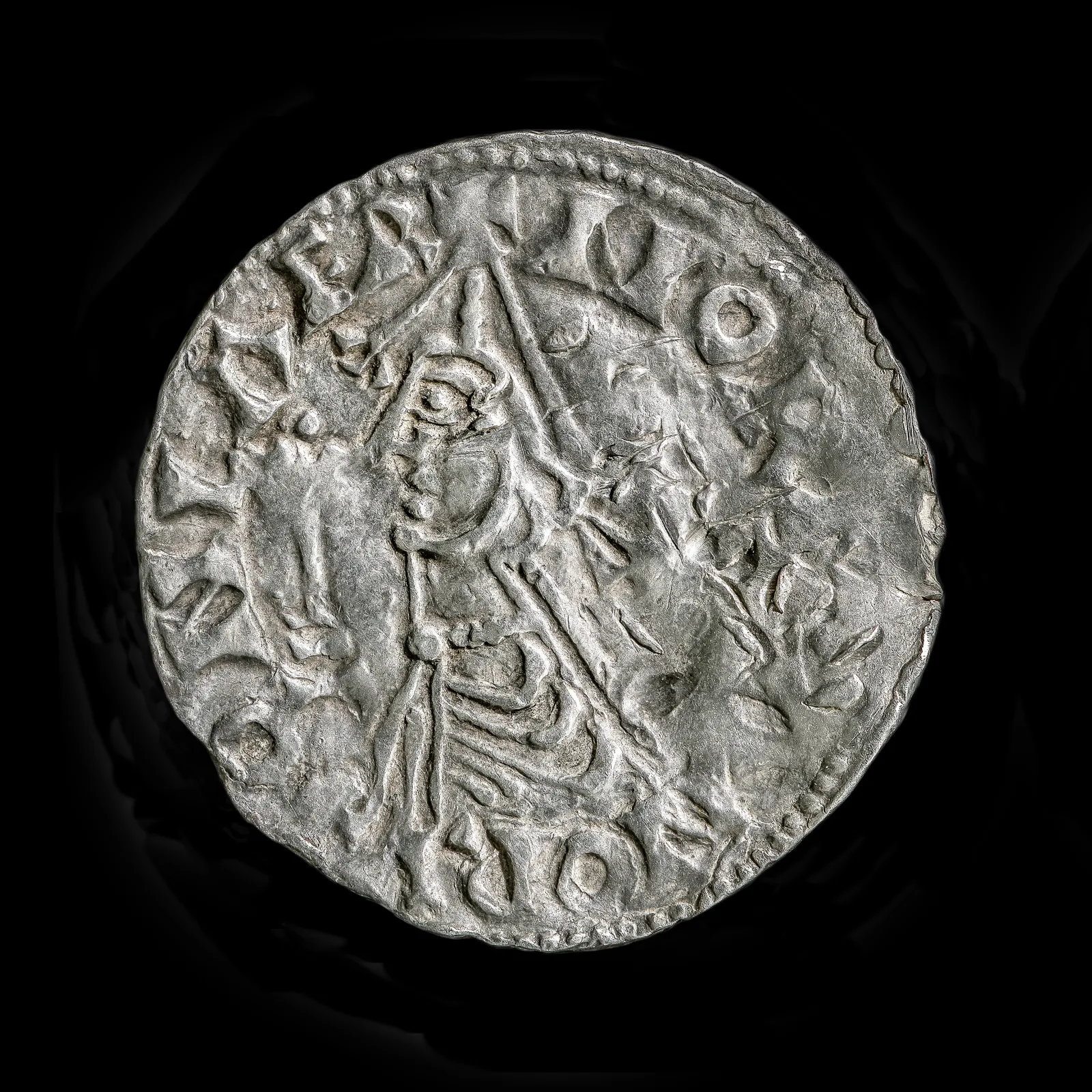
In a Hoard of 5,500 Viking Age Coins, Archaeologists in Norway Found One So Rare That They Already Consider It a 'National Treasure'
Fewer than 20 coins minted under Norwegian King Olaf II Haraldsson have ever been found. "We can almost imagine Olaf himself holding this coin in his hand," one researcher says

Play Tractor online with friends — free
Real-time Sheng Ji / Tractor for 3–5 players, with complete bidding and trump rules across web, iOS and Android.
Play bidfive →
'Wildwood' Is the Longest Stop-Motion Animated Film Ever. Each Frame of the Movie Is a Marvel of Handcrafted World Building
Deborah Cook, costumer designer at stop-motion animation studio Laika, discusses creating tiny costumes for puppets in a fantastical world set in the forests of Portland, Oregon

These Big, Fierce Birds Found Love in Australia—and Laid the First Southern Cassowary Eggs at the Adelaide Zoo in 34 Years
Zoo staffers don’t know whether the bright green eggs are viable and will ultimately hatch into chicks. However, the eggs themselves are a major win, because breeding the birds in captivity is tricky

GTA 6 guides, updates and practical reference
Explore a Chinese GTA 6 guide library covering the release, map, characters, missions, vehicles and weapons.
Browse guides →
Create AI images with your own API key
aixipi runs on desktop/web, uses your own model API balance, and avoids subscription lock-in.
Try aixipi →