
These Big, Fierce Birds Found Love in Australia—and Laid the First Southern Cassowary Eggs at the Adelaide Zoo in 34 Years
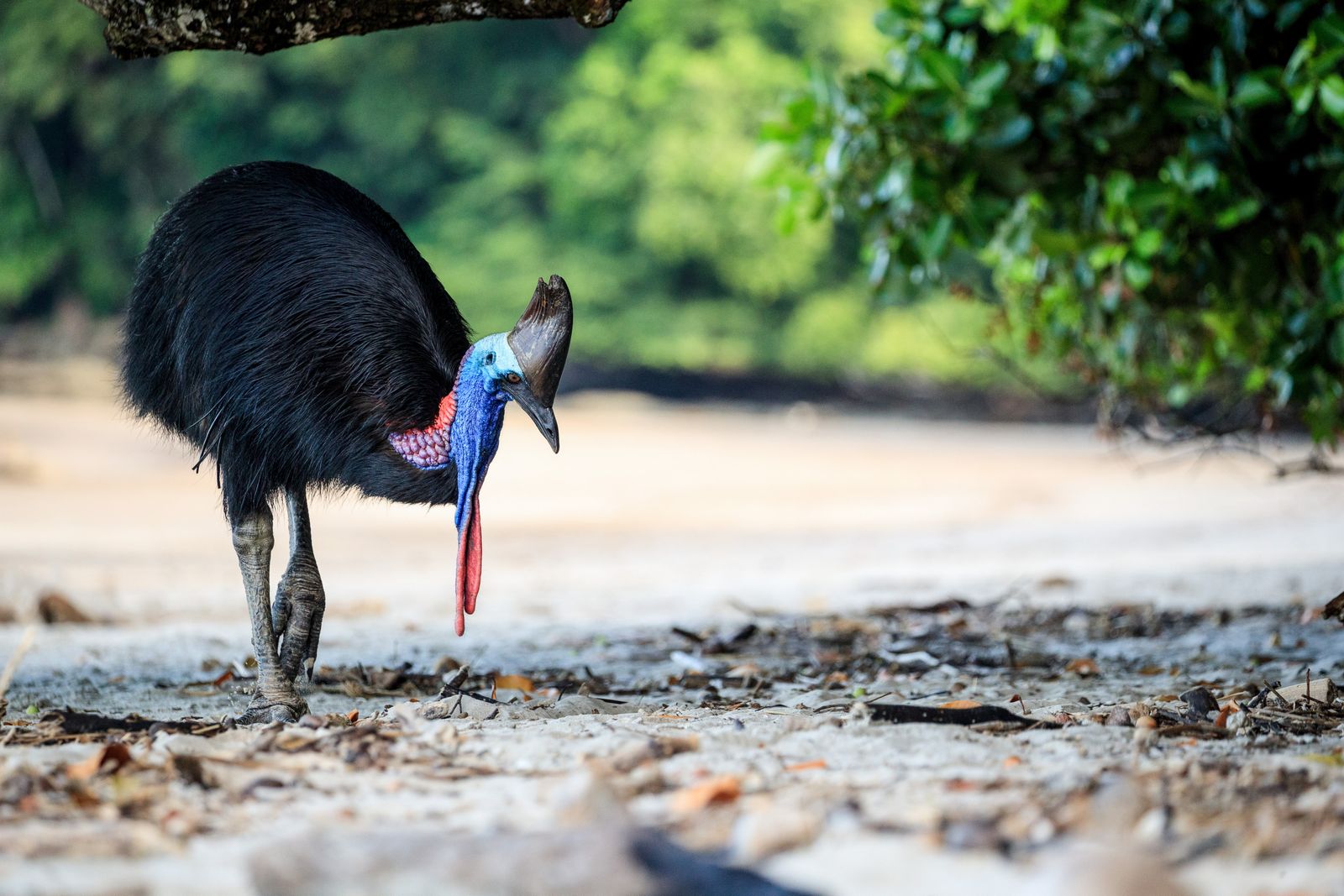
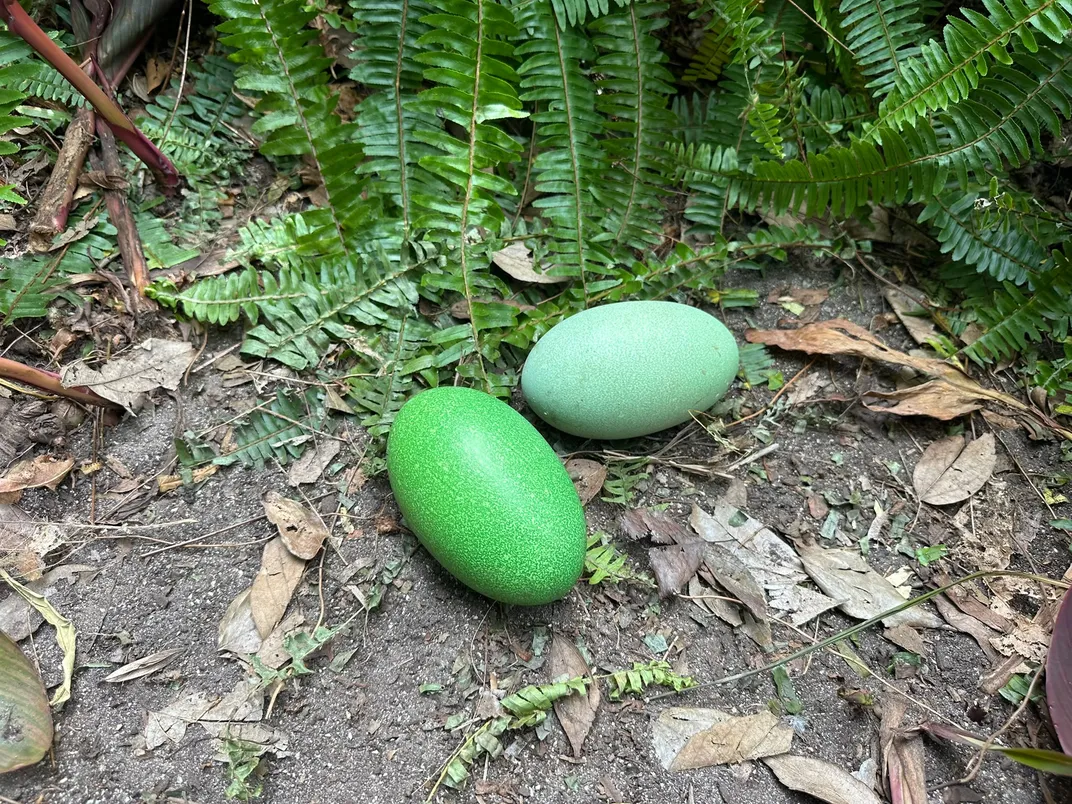
A pairing at Adelaide Zoo has produced two southern cassowary eggs, a development its keepers are treating as an important advance for a bird that is notoriously challenging to reproduce under human care. The eggs are large and vividly green, but their appearance does not yet answer the question that matters most: whether either contains a developing chick.
For the zoo, the arrival marks an interval measured in decades. Adelaide Zoo has not had cassowary chicks since 34 years ago, according to its bird team. That history makes the new clutch significant even before any hatchling is confirmed, because it shows that a potential pair at the institution has reached the egg-laying stage.
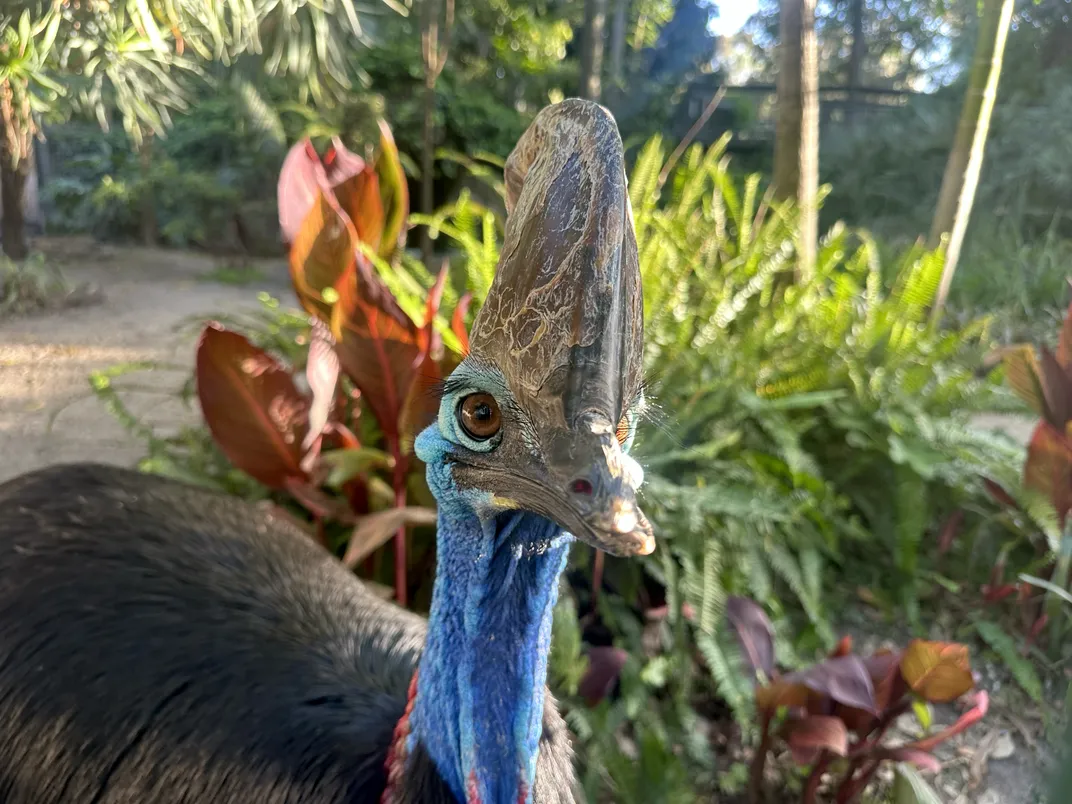
Southern cassowaries are among Australia’s most striking birds: large, solitary animals with a reputation for forceful defensive behavior. Those traits can make a successful match far from automatic. Unlike species that naturally live in groups or readily accept a range of companions, cassowaries require careful handling when zoos try to bring potential mates together, and compatibility cannot simply be assumed.
The two birds at Adelaide Zoo were paired as possible partners before the eggs appeared. That outcome gives staff a concrete result from the match, rather than merely a hopeful introduction. It also illustrates why such milestones carry weight in managed breeding efforts: every successful step, from pairing through laying, can provide useful evidence about the conditions in which individual birds will reproduce.
That makes the laying event useful as evidence of progress, not a final verdict on the pairing. For a difficult captive-breeding effort, the path from introduction to viable young has several uncertain stages, and this pair has passed only one of them.
In the wild, southern cassowaries are found chiefly in the rainforest regions of Queensland. Their native setting is very different from a zoo enclosure, and captive breeding therefore involves more than placing two adult birds in the same space. Keepers must manage a species whose natural habits include living alone, while trying to create a setting in which reproduction can occur without compromising animal welfare or safety.
The eggs have arrived at a time when the species faces an uncertain outlook, giving the news an added conservation dimension. A breeding event in a zoo does not resolve the pressures confronting wild cassowaries, nor does it guarantee new chicks. Still, it can support the broader effort to maintain a population under professional care and to build knowledge that may matter when a species’ future is less secure.
There is also an important limit to the celebration. Egg laying is not the same as a successful hatch, and zoo staff do not yet know if the two eggs are fertile or viable. The next stage will determine whether embryos develop and whether the eggs ultimately produce chicks. Until then, the achievement is best understood as encouraging progress rather than a completed breeding success.
Erin Kasteliz, who supervises the zoo’s bird team, said the long gap since the institution last raised cassowary chicks has made the development especially meaningful for staff. Her comments reflect both the excitement surrounding the eggs and the caution built into the situation: the team can recognize a rare opportunity while waiting for evidence that the clutch will continue through incubation.
The wait will be consequential for reasons beyond a single zoo. A confirmed chick would show that Adelaide’s current approach can carry a pair beyond courtship and egg production. An unsuccessful clutch would not erase that result, but it would underline how much remains uncertain until hatching occurs.

Source: Smithsonian Magazine
Related articles
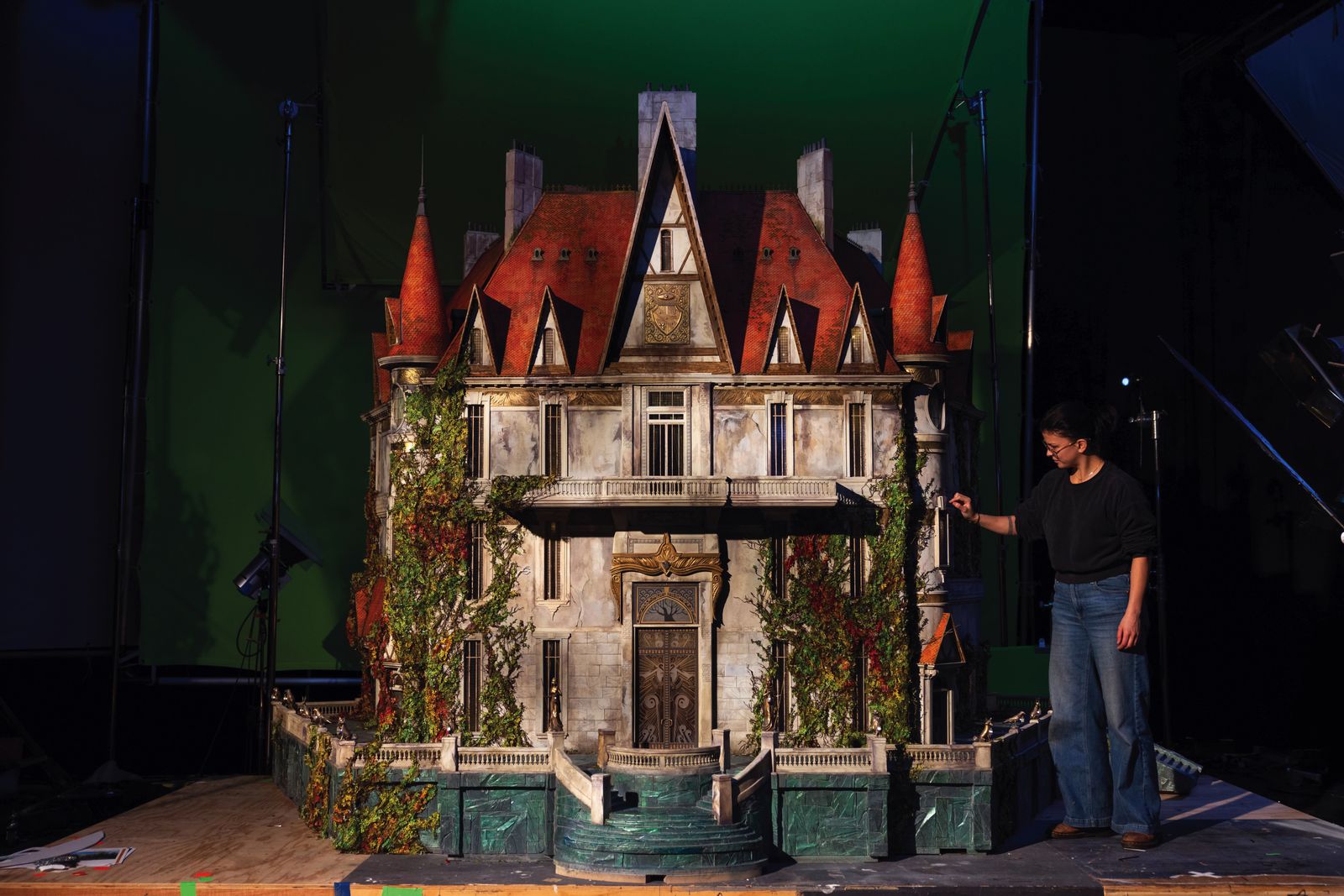
'Wildwood' Is the Longest Stop-Motion Animated Film Ever. Each Frame of the Movie Is a Marvel of Handcrafted World Building
Deborah Cook, costumer designer at stop-motion animation studio Laika, discusses creating tiny costumes for puppets in a fantastical world set in the forests of Portland, Oregon

Play Tractor online with friends — free
Real-time Sheng Ji / Tractor for 3–5 players, with complete bidding and trump rules across web, iOS and Android.
Play bidfive →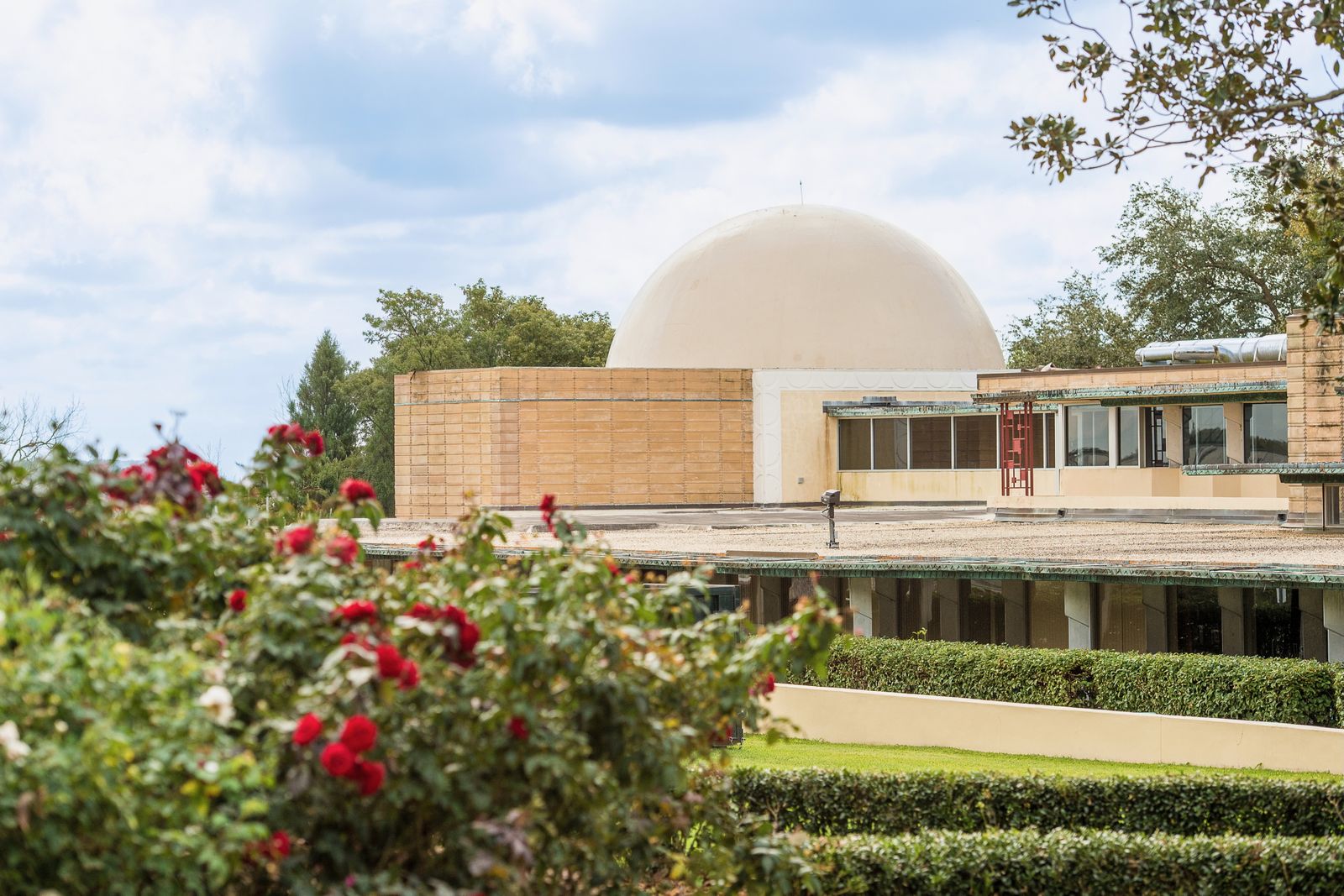
Immerse Yourself in the Cosmos at Frank Lloyd Wright's Only Planetarium, Recently Restored to Its Former Glory in Florida
Completed in 1958, the domed building is located on the campus of Florida Southern College, home to 13 Wright-designed buildings, the world's largest single-site collection of the architect's work

A Team of Astronomers Thinks They Have Identified the Exact Night Sky That Inspired Vincent van Gogh's 'Starry Night.' Not Everyone Is Convinced
Very few night skies seen from the south of France during the summer of 1889 would match the scene on van Gogh's canvas. A new study argues that it could have been July 22

GTA 6 guides, updates and practical reference
Explore a Chinese GTA 6 guide library covering the release, map, characters, missions, vehicles and weapons.
Browse guides →
Create AI images with your own API key
aixipi runs on desktop/web, uses your own model API balance, and avoids subscription lock-in.
Try aixipi →