
In a Hoard of 5,500 Viking Age Coins, Archaeologists in Norway Found One So Rare That They Already Consider It a 'National Treasure'
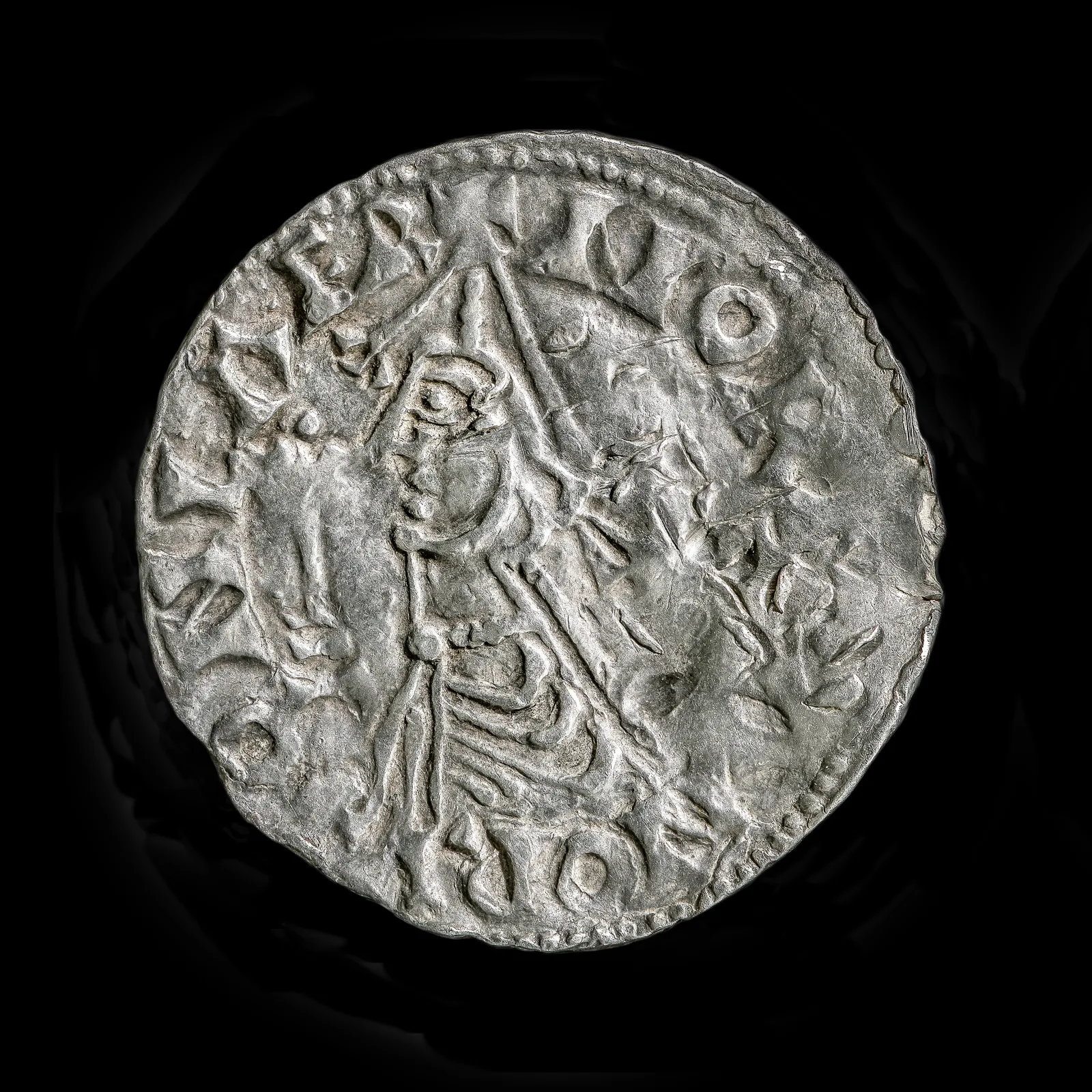
Archaeologists examining a vast Viking Age cache in eastern Norway have identified a silver coin linked to King Olaf II Haraldsson, a discovery they regard as exceptionally important. The piece emerged from a collection of about 5,500 coins known as the Mørstad hoard and stands out because fewer than 20 examples minted during Olaf’s rule have been found.
The hoard was first brought to attention in April, when metal detectorists located the roughly millennium-old silver deposit. Its scale immediately made it a major archaeological find: researchers described it as the biggest accumulation of Viking-period coins discovered in Norway. The collection is still being assessed, and the number of recorded coins has continued to grow as the material is cataloged.
At first, the importance of the cache lay largely in its size. Thousands of individual objects can offer evidence of the money circulating in an era often better known through sagas, settlement sites and later historical memory. But the newly recognized Olaf coin has shifted attention from the overall quantity of the find to one rare object with a direct connection to a king whose legacy remains unusually prominent in Norway.
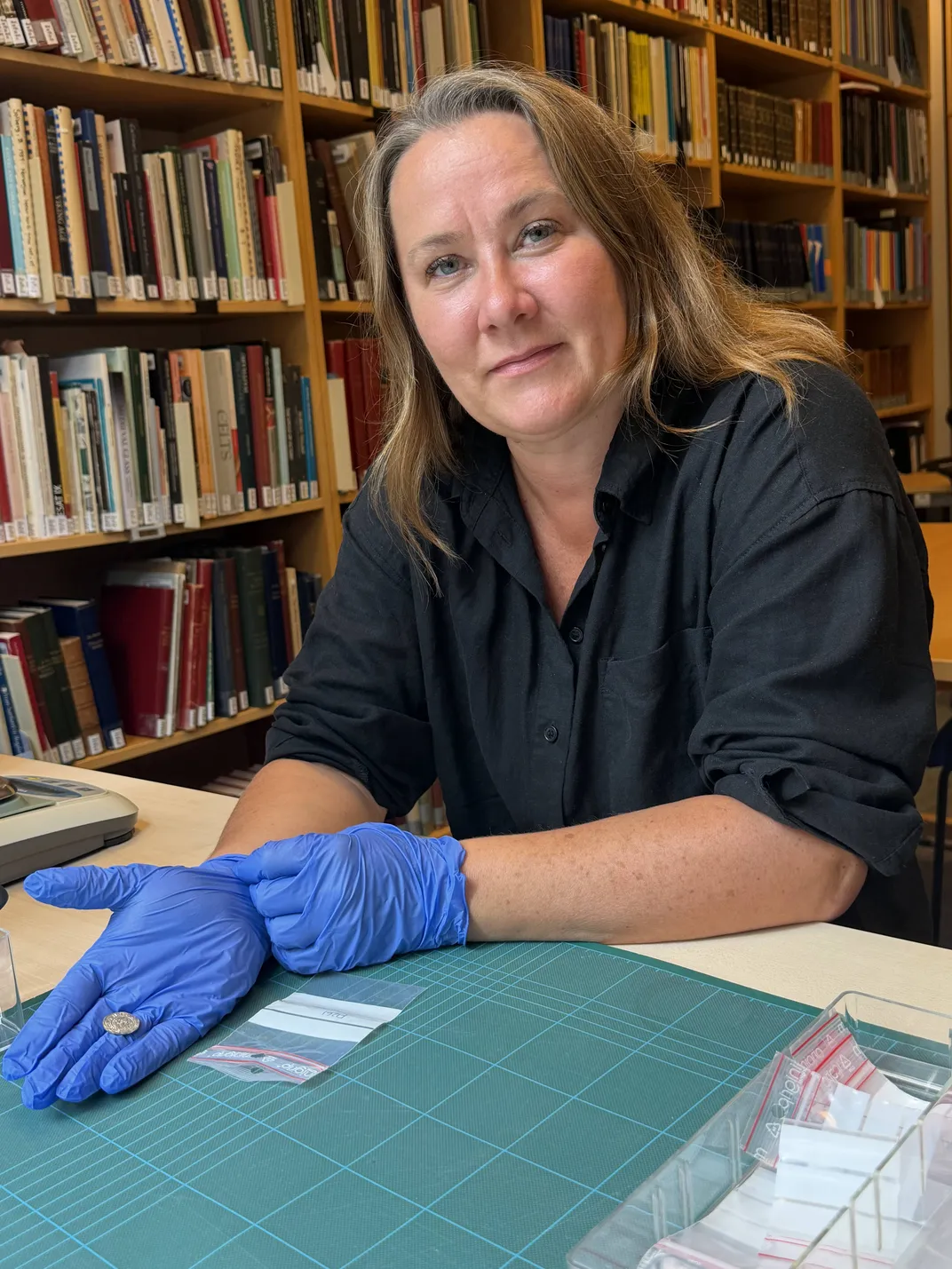
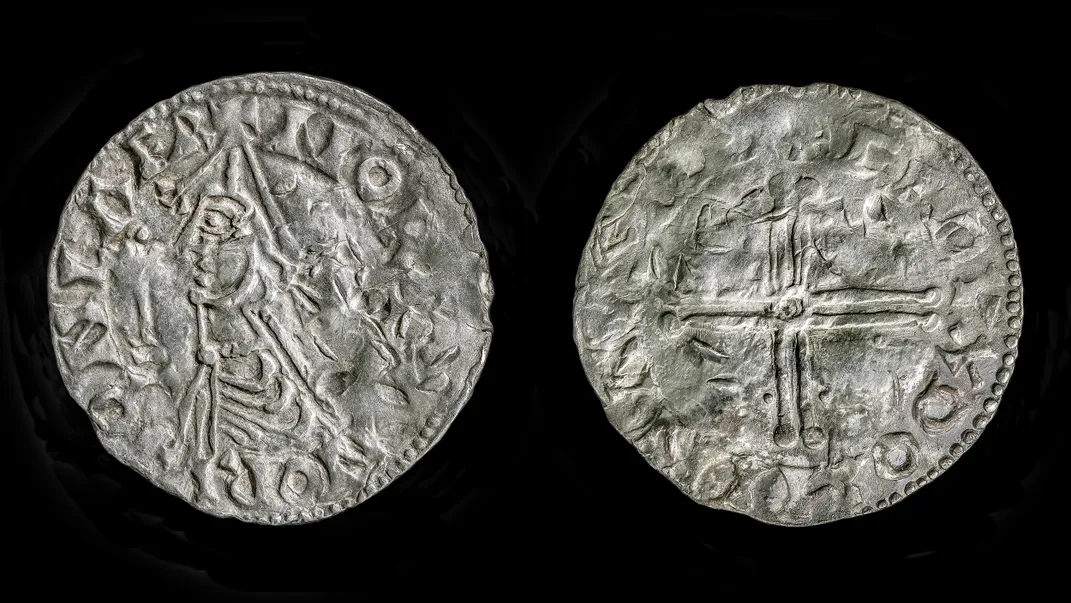
Anne Skogsfjord, an archaeologist at the University of Oslo’s Museum of Cultural History, found the coin while working through the hoard. Its significance was not apparent at the moment it was picked out. A closer inspection of its lettering revealed the inscription “ONLAF R+ NORMANORV,” understood as identifying Olaf as king of the Norwegians.
That wording ties the coin to Olaf II Haraldsson’s reign and to the assertion of royal authority expressed through coinage. Olaf later became Norway’s patron saint, giving a small silver piece an importance beyond its metal value. Museum researcher Lill-Ann Chepstow-Lusty said the find provides an unusually close view of both the ruler’s life and the power attached to his kingship.
The rarity is central to the excitement. With so few coins from Olaf’s minting known to have survived or been recovered, each newly recognized specimen can matter far more than a common issue in a large deposit. Chepstow-Lusty said the object is close enough to Olaf’s own time that it is possible to picture the king handling it, a reflection of how directly such finds can connect modern researchers with the past.
There is also a necessary limit to what one coin can establish on its own. The inscription identifies the ruler, but the larger historical meaning of the discovery will depend on the continued examination of the rest of the Mørstad hoard. Researchers must place the coin alongside the other silver pieces in the cache before drawing wider conclusions about the collection and its place in Viking Age Norway.
That distinction matters when assessing a discovery of this kind. The Mørstad hoard supplies a large body of material, but its meaning will not be settled by the headline total alone. Specialists will need to complete the slow task of identifying the individual coins, distinguishing the rare issues from more familiar ones and considering them as part of the same deposit. The Olaf coin offers a striking point of entry, rather than a complete explanation of why so many silver pieces were gathered together.
What is known at this stage is more limited but still notable: detectorists found an enormous early medieval cache, and its review has produced a coin bearing a royal identification that is seldom encountered. The next findings from the catalog could add context to that identification, even if they do not match its rarity. For that reason, researchers’ current emphasis on its importance can coexist with caution about the wider interpretation of the hoard. The continuing inventory, rather than a single artifact, will determine how fully the discovery can be understood.
Source: Smithsonian Magazine
Related articles
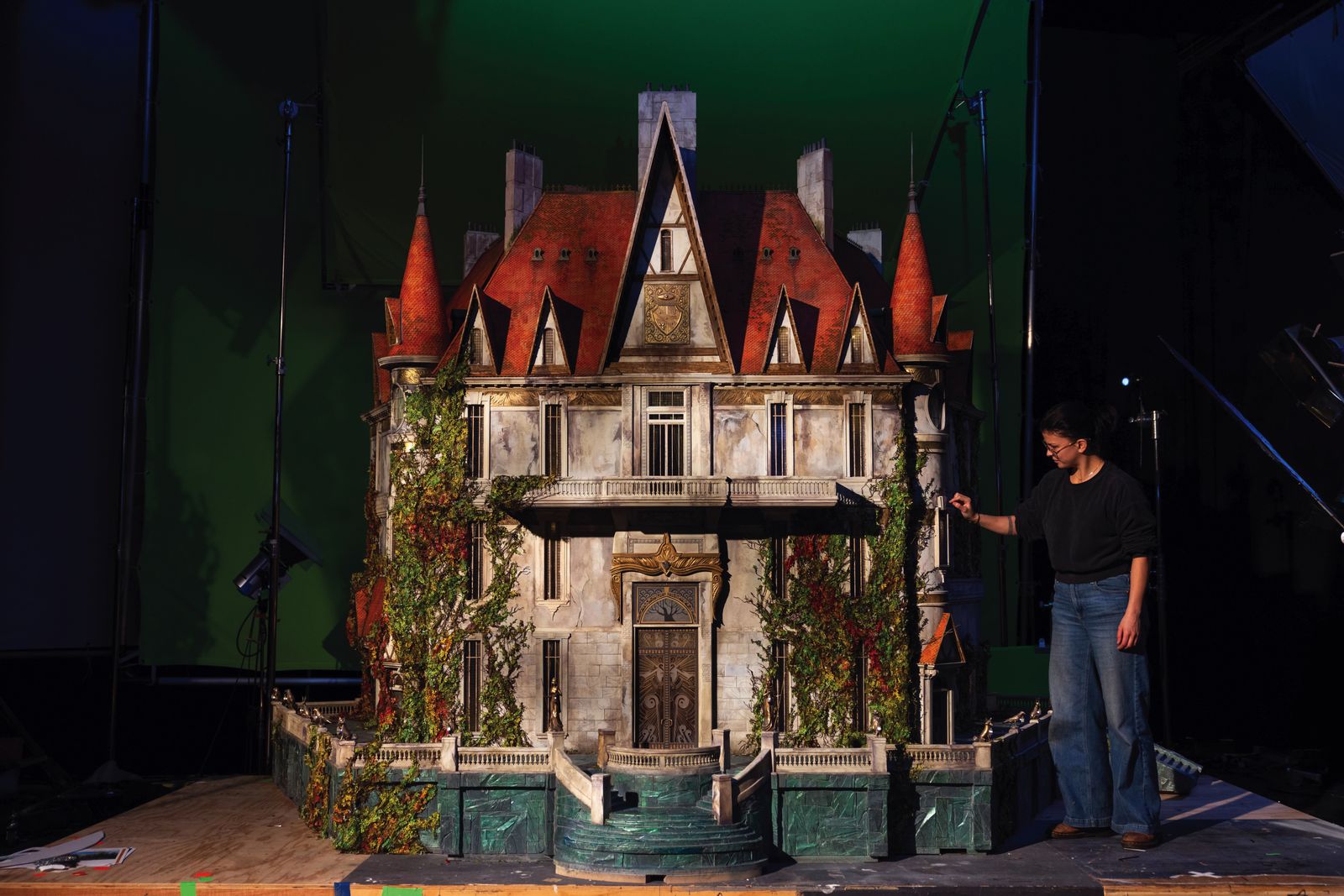
'Wildwood' Is the Longest Stop-Motion Animated Film Ever. Each Frame of the Movie Is a Marvel of Handcrafted World Building
Deborah Cook, costumer designer at stop-motion animation studio Laika, discusses creating tiny costumes for puppets in a fantastical world set in the forests of Portland, Oregon

Play Tractor online with friends — free
Real-time Sheng Ji / Tractor for 3–5 players, with complete bidding and trump rules across web, iOS and Android.
Play bidfive →
These Big, Fierce Birds Found Love in Australia—and Laid the First Southern Cassowary Eggs at the Adelaide Zoo in 34 Years
Zoo staffers don’t know whether the bright green eggs are viable and will ultimately hatch into chicks. However, the eggs themselves are a major win, because breeding the birds in captivity is tricky

Immerse Yourself in the Cosmos at Frank Lloyd Wright's Only Planetarium, Recently Restored to Its Former Glory in Florida
Completed in 1958, the domed building is located on the campus of Florida Southern College, home to 13 Wright-designed buildings, the world's largest single-site collection of the architect's work

GTA 6 guides, updates and practical reference
Explore a Chinese GTA 6 guide library covering the release, map, characters, missions, vehicles and weapons.
Browse guides →
Create AI images with your own API key
aixipi runs on desktop/web, uses your own model API balance, and avoids subscription lock-in.
Try aixipi →