Untold casualties and humanitarian needs: What to know a week from Venezuela's quakes

One week after twin earthquakes tore through Venezuela on June 24, the full scope of the disaster is still coming into focus, with officials warning that casualty figures released so far likely understate the true toll and aid workers describing a rapidly worsening humanitarian emergency.
In the coastal state of La Guaira, one of the hardest-hit areas, crews and residents have spent days combing through the wreckage of a collapsed building, pulling debris apart by hand in search of anyone who might still be trapped inside. Similar scenes have played out across multiple communities battered by the quakes.
Authorities have described the back-to-back tremors as the most destructive seismic event to hit the country in more than 100 years. The confirmed death count has climbed steadily since the initial disaster and is expected to keep rising, with local officials and relief groups saying they fear the eventual toll will run into the thousands once damaged areas are fully searched.
As the search stretches into a second week, rescue teams acknowledge that the odds of finding additional survivors buried in collapsed structures are shrinking with each passing day. Crews are increasingly shifting from rescue operations toward recovery work, a grim but common turning point in the aftermath of major earthquakes.
The disaster has landed on a nation already worn down by years of overlapping hardship. Venezuela has spent much of the past decade mired in a severe economic contraction, hyperinflation and political instability that have driven millions of citizens to leave the country in search of stability elsewhere. Public infrastructure, health services and emergency systems, strained long before the ground began shaking, now face an additional shock they are ill-equipped to absorb.
Relief organizations say the quakes have produced a full-blown humanitarian crisis layered atop that pre-existing instability, with displaced families needing emergency shelter, clean water, food and medical treatment in areas where such resources were already scarce. Damaged roads and buildings have further complicated efforts to reach some of the worst-affected neighborhoods.
Not everyone agrees on how the response has unfolded. Some humanitarian workers and outside observers have raised questions about the accuracy of official casualty counts and about how freely international assistance is being allowed to operate inside the country, reflecting longstanding tensions between Venezuelan authorities and outside monitors during past emergencies. Those concerns add uncertainty to an already fluid picture of the disaster's true scale.
Looking ahead, search-and-recovery operations are expected to continue in the coming days even as attention shifts toward longer-term relief, including housing for displaced residents and rebuilding damaged infrastructure. With the death toll still unsettled and needs mounting, the earthquakes' full impact on a country already in crisis is likely to remain unclear for some time.
Source: NPR World
Related articles
Israeli strike kills aid worker who brought World Cup screenings to Gaza
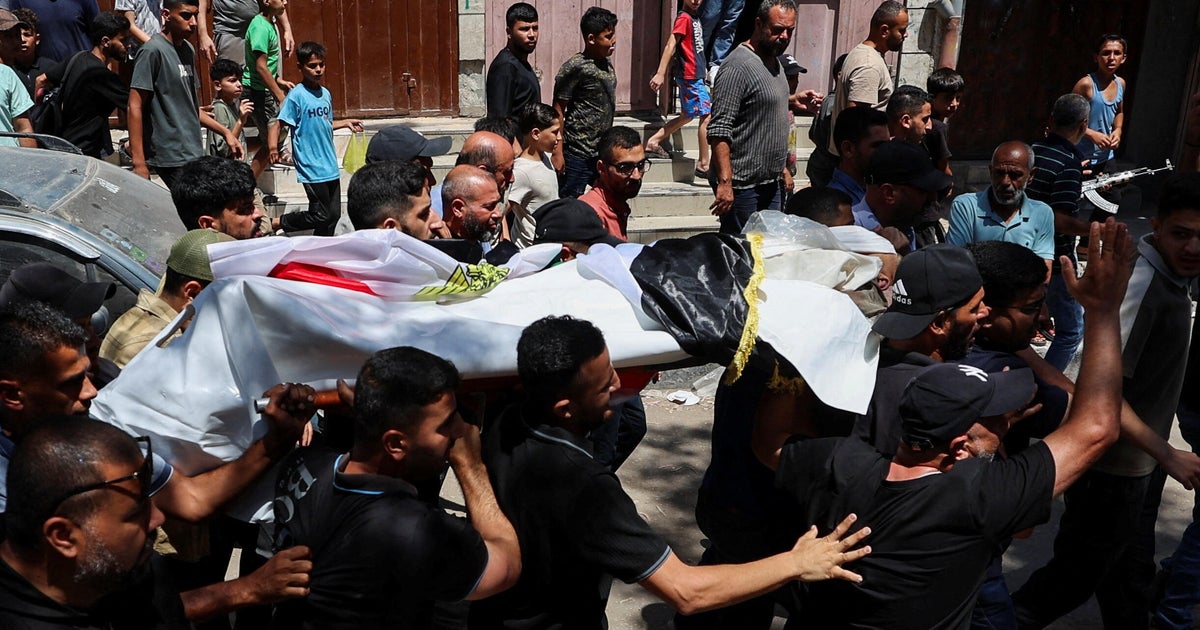
An Israeli strike has killed an aid worker who organized World Cup game screenings for Palestinians in the war-torn Gaza Strip, a hospital director says.

Create AI images with your own API key
aixipi runs on desktop/web, uses your own model API balance, and avoids subscription lock-in.
Try aixipi →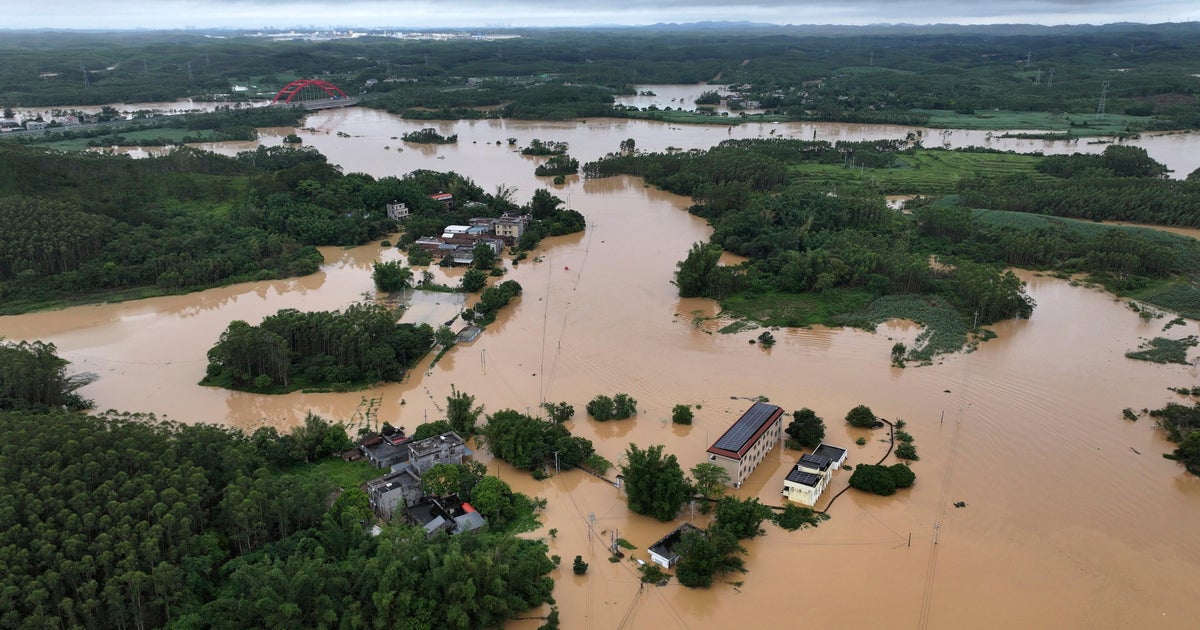
39 killed in southern China flooding after days of heavy rain
Authorities in southern China say 39 people have died in flooding after days of heavy rainfall from a tropical storm.