
U.S. carries out 10th night of strikes on Iran after 3 U.S. troops killed
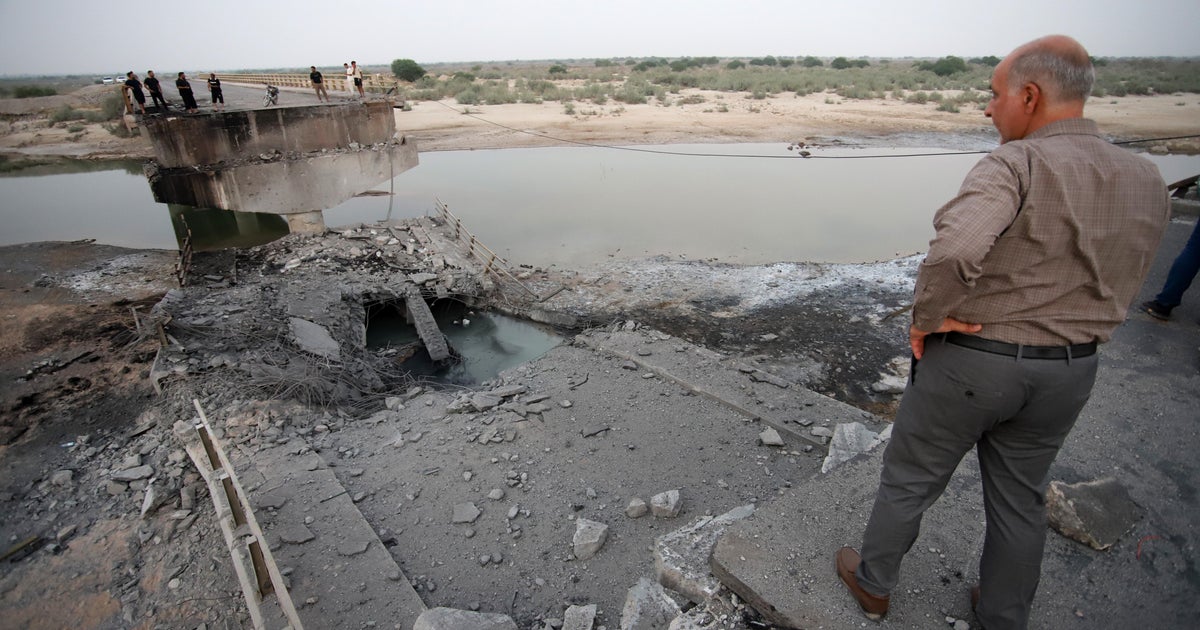
American forces carried out a tenth consecutive night of airstrikes against targets inside Iran, US officials confirmed, days after a coordinated assault on a military base in Jordan left at least three American service members dead. The strikes mark one of the longest sustained air campaigns the Pentagon has waged in the region in years, underscoring how quickly the confrontation with Tehran has escalated.
The fatal attack unfolded over the weekend when Iranian-linked forces struck US positions in both Iraq and Jordan in quick succession. Officials say the second wave of the assault appears to have slipped past the base's air-defense systems, raising questions about whether American installations in the region were adequately shielded against the barrage. Beyond the three confirmed deaths, additional personnel were reported wounded, though a full accounting of injuries had not been finalized as of the latest briefing.
The losses have intensified pressure on Washington to respond forcefully, and the extended run of nightly bombing runs reflects that shift. Military planners have treated the strikes as a deterrent message aimed at Tehran and allied militias, though the Pentagon has offered few specifics on which sites were hit during the latest round or what damage was assessed.
Even as the exchange of fire continued on one front, diplomatic efforts elsewhere in the region showed signs of movement. Israel's military indicated Monday that its troops had pulled back from three communities in southern Lebanon, part of a narrower arrangement negotiated with Washington's involvement between Israeli and Lebanese authorities.
The Israel Defense Forces described the move as the launch of a "Safe Zone" pilot initiative, tying it to a broader accord signed at the State Department in late June. Under that agreement, Israeli units are meant to gradually vacate specific zones inside Lebanese territory, handing control back to Lebanon's own armed forces as a confidence-building step between the two sides.
The State Department separately confirmed Monday that the first of these designated pilot zones had gone into effect, signaling that Israeli withdrawals from the three southern villages were either already underway or expected imminently. Officials framed the rollout as an early test of whether the broader withdrawal framework can hold without triggering renewed clashes along the border.
Taken together, the two developments illustrate the uneven state of the wider Middle East conflict: intensifying US-Iran hostilities on one track, alongside a fragile, incremental de-escalation between Israel and Lebanon on another. Analysts caution that progress on the Lebanon front could still be undone if the standoff with Iran widens further, given the web of alliances and proxy forces tying the region's conflicts together.
US officials have not said how long the campaign against Iranian targets is expected to continue, and Tehran has yet to signal whether it intends to retaliate again or seek a way to de-escalate. For now, Washington is simultaneously managing an active military exchange with Iran and a delicate diplomatic handoff in Lebanon, with the outcome of both likely to shape the broader trajectory of the crisis in the weeks ahead.
Source: CBS World
Related articles
Alvarez's 112th-minute goal helps lift Argentina past Switzerland 3-1 and into World Cup semifinals
Julian Alvarez sent defending champion Argentina into the World Cup semifinals with a long-range strike in the 112th minute against Switzerland.

Create AI images with your own API key
aixipi runs on desktop/web, uses your own model API balance, and avoids subscription lock-in.
Try aixipi →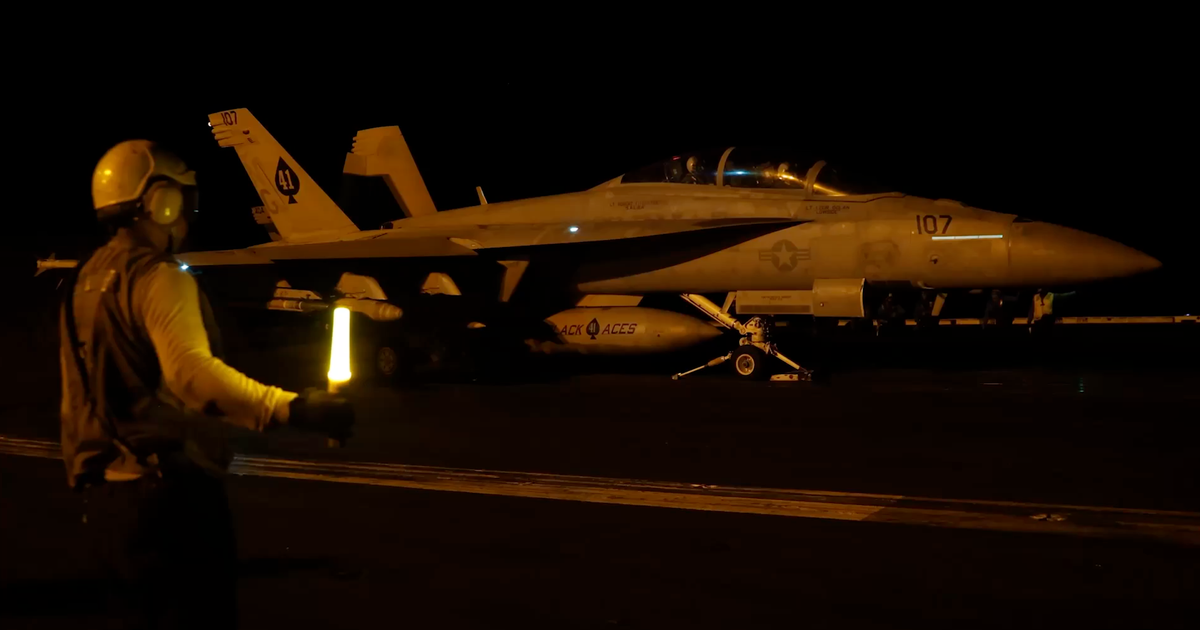
U.S. conducts another round of retaliatory strikes on Iran, Pentagon says
U.S. forces conducted their third round of strikes on Iran this week, this time in retaliation for an attack on a commercial ship in the Strait of Hormuz, the Pentagon said.
One of Spain's deadliest wildfires has killed at least 11 people
A wildfire in southern Spain has killed at least 11 people, making it one of the country's deadliest on record, as soaring temperatures grip much of the country.