
U.S. finishes 7th straight night of Iran strikes as Strait of Hormuz freezes up
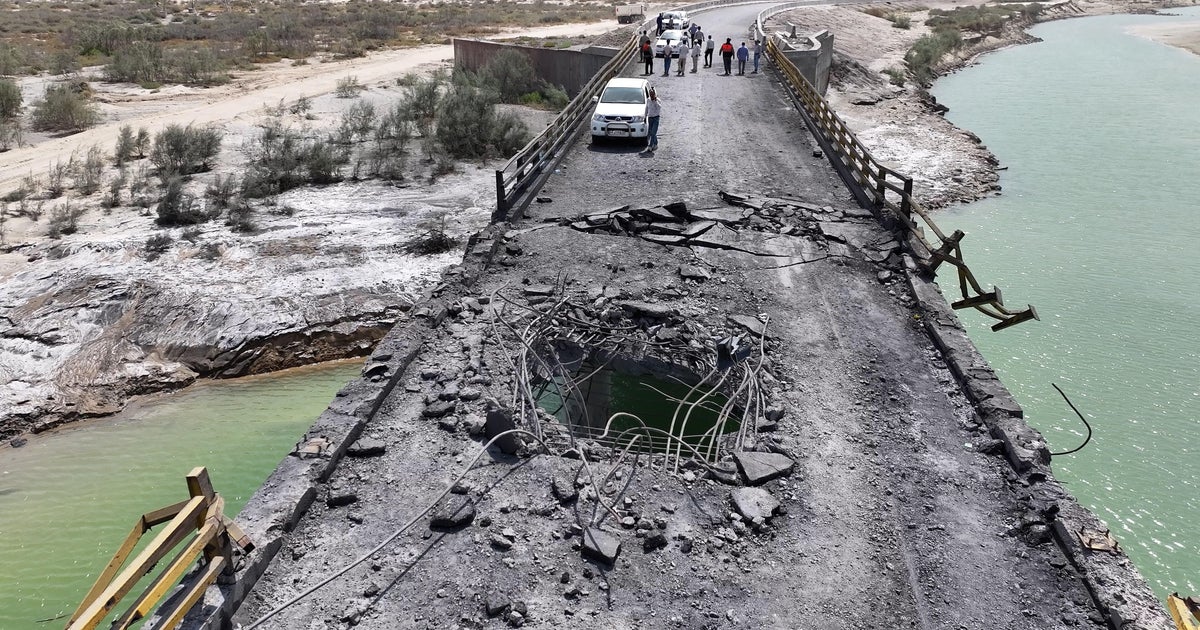
The United States has completed a seventh consecutive night of airstrikes against Iranian targets, U.S. Central Command confirmed in the early hours of Saturday, as the conflict between Washington and Tehran stretches into its fifth month with no clear end in sight. The sustained bombing campaign, now roughly 140 days old, has coincided with mounting disruption to shipping through the Strait of Hormuz, a chokepoint that a growing number of energy-sector analysts warn is effectively grinding to a halt under the strain of military activity in the region.
Jordan's armed forces reported early Saturday that its air defenses had intercepted and destroyed ten missiles fired from Iranian territory before they could strike inside the kingdom. Officials said the projectiles had crossed into Jordanian airspace and appeared aimed at targets within the country, but that no injuries or property damage resulted from the interception.
In a public statement, the Jordanian military said its defense network had detected the incoming missiles, tracked them as they entered national airspace, and neutralized all ten before impact. The episode marks one of the clearest signs yet that the fighting between the U.S. and Iran is spilling beyond the two principal combatants and drawing in neighboring states that sit along the missiles' flight paths.
Jordan shares borders with both Iraq and Israel and has long served as a buffer state amid regional turmoil, but it has largely avoided direct involvement in prior rounds of Israeli-Iranian and U.S.-Iranian confrontation. The interception suggests Amman may now be facing a more active role in defending its airspace as the broader conflict widens, even as its government has publicly sought to keep distance from the fighting.
For the U.S. military, the latest overnight operation extends a bombardment campaign that has run uninterrupted for a full week, underscoring Washington's apparent intention to keep pressure on Iranian military infrastructure night after night rather than pursue a single decisive strike. Central Command has not detailed the specific targets hit in the most recent round, but the pattern of nightly strikes points to a sustained, rolling campaign rather than an isolated retaliatory action.
The toll on maritime traffic is drawing particular concern from energy markets. The Strait of Hormuz, through which a substantial share of the world's seaborne oil and gas exports normally passes, has seen activity slow dramatically as commercial vessels and their insurers weigh the risks of transiting a waterway bordered by an active war zone. Analysts tracking the shipping lane say the near-standstill could ripple into global fuel prices and supply chains the longer hostilities persist, particularly if Iran moves to restrict passage more formally rather than leaving disruption to spillover fighting alone.
Whether the standoff eases or escalates further may hinge on developments in the coming days, including how Iran responds to the seventh night of strikes and whether other regional governments beyond Jordan report similar incursions into their airspace. Diplomatic channels have shown little sign of progress, and with both sides continuing military action nightly, officials and analysts alike caution that the Strait of Hormuz disruption may deepen before any resolution comes into view.
Source: CBS World
Related articles
Alvarez's 112th-minute goal helps lift Argentina past Switzerland 3-1 and into World Cup semifinals
Julian Alvarez sent defending champion Argentina into the World Cup semifinals with a long-range strike in the 112th minute against Switzerland.

Create AI images with your own API key
aixipi runs on desktop/web, uses your own model API balance, and avoids subscription lock-in.
Try aixipi →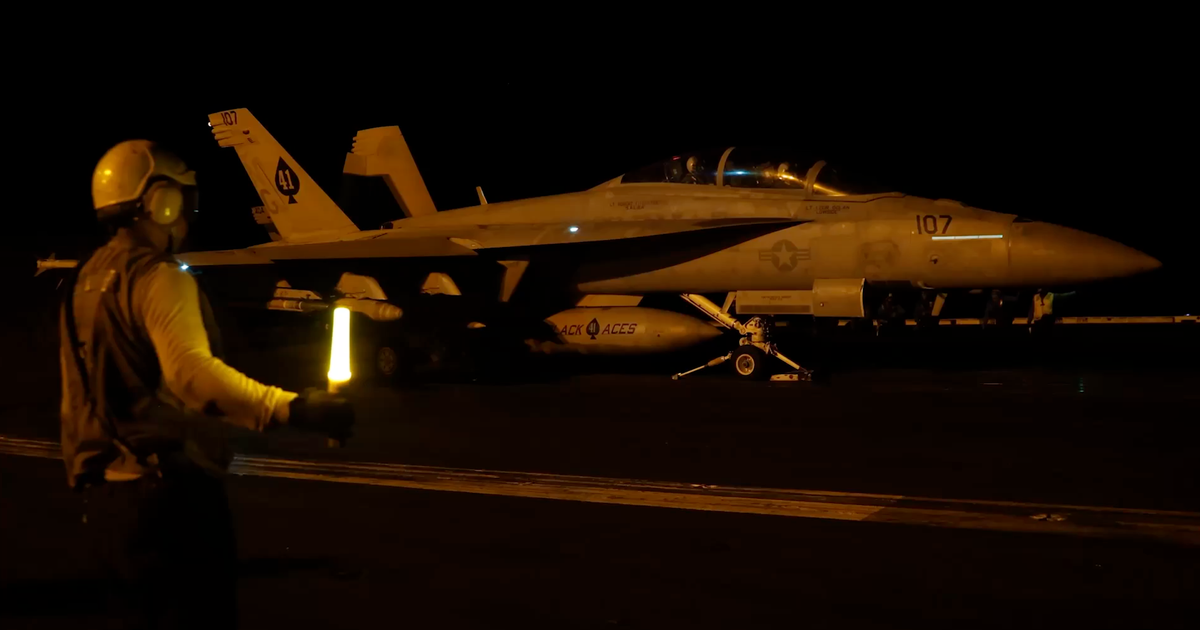
U.S. conducts another round of retaliatory strikes on Iran, Pentagon says
U.S. forces conducted their third round of strikes on Iran this week, this time in retaliation for an attack on a commercial ship in the Strait of Hormuz, the Pentagon said.
One of Spain's deadliest wildfires has killed at least 11 people
A wildfire in southern Spain has killed at least 11 people, making it one of the country's deadliest on record, as soaring temperatures grip much of the country.