
War expands with joint U.S.-Saudi strikes on Iran proxy groups in Iraq
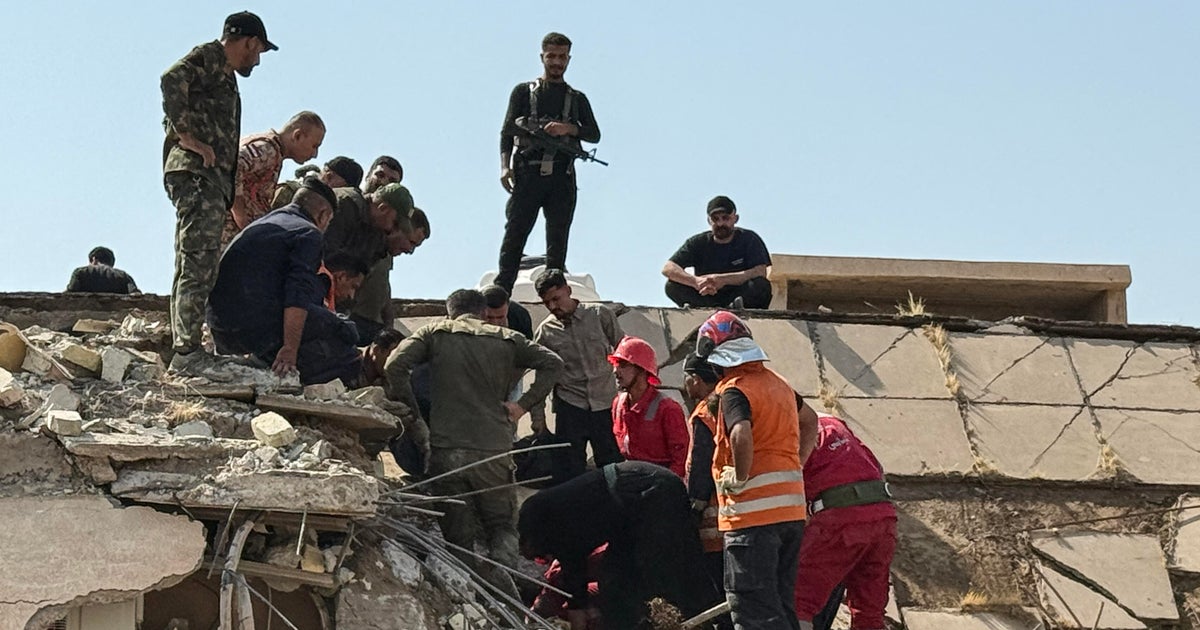
The conflict centered on Iran has entered a broader and more volatile phase, with the United States and Saudi Arabia carrying out coordinated strikes against Iran-aligned armed groups in Iraq. The action comes as Iran has adopted a more assertive posture in a war that has now lasted five months, extending a confrontation whose effects are being felt well beyond the countries directly involved. The developments point to a widening theatre of operations, with Iraq becoming an additional arena in a crisis already tied to the Persian Gulf.
The joint U.S.-Saudi operation underscores how regional partners are becoming more directly involved as the fighting spreads. Iran-backed groups in Iraq have long formed part of the broader network of forces associated with Tehran, making them an important pressure point in any escalation. The strikes also suggest that efforts to contain the conflict within a narrower set of fronts have weakened. What began as an intense regional confrontation is increasingly testing political, military and economic relationships across the Middle East.
Markets reacted quickly after a short respite in hostilities came to an end. Brent crude, the widely used international oil benchmark, rose 3.3% on Wednesday to roughly $85 per barrel. The increase reversed part of the easing seen after Brent reached a two-month peak last week. The price move reflected renewed concern that fighting could again interrupt energy flows or make them more costly and difficult to protect.
U.S. benchmark crude also moved higher. West Texas Intermediate gained 3.4% on Wednesday, reaching $81.93 a barrel. Together, the advances in the two major benchmarks showed that traders were reassessing the durability of the lull rather than treating it as a meaningful de-escalation. Oil prices can respond not only to confirmed disruptions, but also to the prospect that a conflict may expose transport routes, production systems or regional infrastructure to greater risk.
The pause had lasted about three days after weeks of heightened tension over the Strait of Hormuz. The narrow passage, which links the Persian Gulf to open waters, is one of the world’s most consequential maritime chokepoints. Under normal conditions, about one-fifth of globally traded oil travels through it. That role has put the waterway at the center of the dispute and made every shift in the conflict relevant to consumers, shipping companies and governments far from the battlefield.
For oil-importing countries, a sustained rise in crude prices can feed through to fuel costs and wider inflation pressures. For producers and exporters, higher prices may bring additional revenue but are paired with uncertainty over shipping, insurance and the reliability of supply routes. The latest gains therefore do not amount to a simple measure of market strength. They are also a signal that the apparent reduction in immediate risk was short-lived and that the outlook remains highly dependent on events around the Gulf.
There is still an important limit to what can be concluded from a single day of trading. A rise in Brent and U.S. crude does not by itself establish that supplies have been cut or that transit through Hormuz has stopped. Instead, it indicates that participants are placing a higher value on the possibility of further disruption after the fighting resumed and the conflict expanded into Iraq. Prices may change again as military developments, shipping conditions and political responses become clearer.
The next focus will be whether the U.S.-Saudi strikes lead to further action by Iran or by the groups aligned with it, and whether the brief break in fighting can be restored. Attention will also remain fixed on the Strait of Hormuz, where the stakes extend beyond the immediate participants because of the route’s central place in the global oil trade. After five months of war, the renewed escalation has left both the regional security picture and the energy market facing another period of uncertainty.
Source: CBS World
Related articles
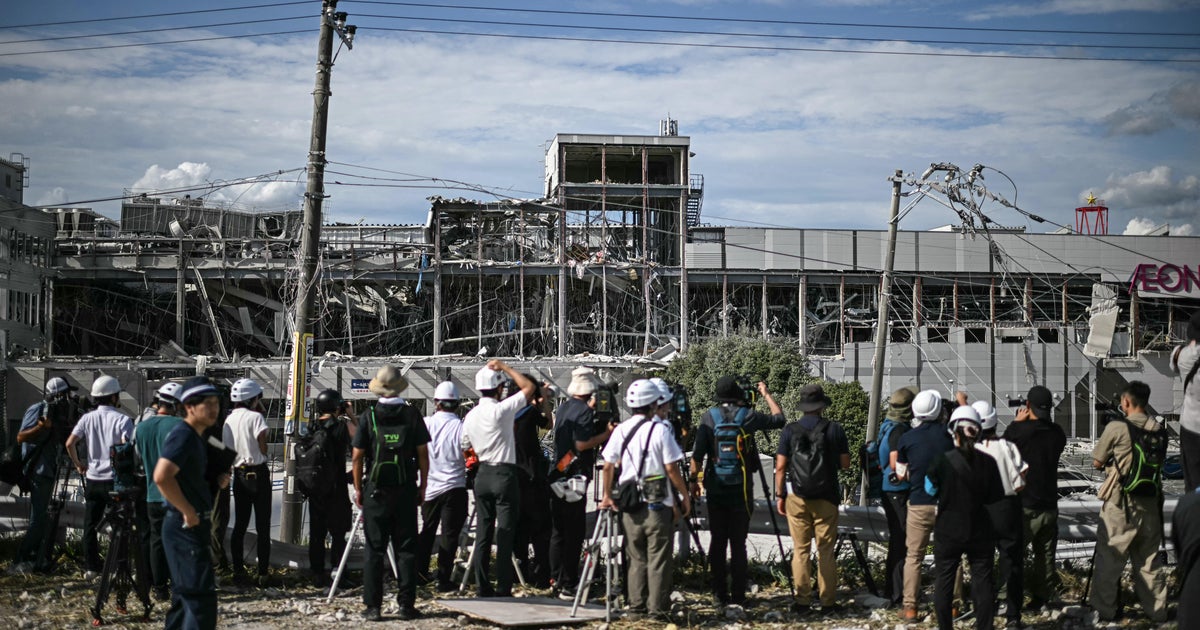
Japan quake toll rises, people still missing in damaged mall and factory
The powerful earthquake that rocked southern Japan has killed at least 18 people and more remain missing in a damaged shopping mall and a paper factory.

Create AI images with your own API key
aixipi runs on desktop/web, uses your own model API balance, and avoids subscription lock-in.
Try aixipi →
U.S. and Iran resume attacks. And, Fauci to face Senate questions on COVID pandemic
The U.S. and Iran have resumed fighting after Iran attacked U.S. forces in the Middle East yesterday. And, a Senate committee will question Anthony Fauci about the COVID-19 pandemic.

Trump to meet with Zelenskyy, Netanyahu. And, TPS holders could soon face deportation
President Trump is set to hold separate meetings with Ukrainian leader Volodymyr Zelenskyy and Israeli Prime Minister Benjamin Netanyahu are today. And, Temporary Protected Status holders may face deportation soon.