
Trump to meet with Zelenskyy, Netanyahu. And, TPS holders could soon face deportation

President Donald Trump is scheduled to meet separately today with Ukrainian President Volodymyr Zelenskyy and Israeli Prime Minister Benjamin Netanyahu, placing two major overseas conflicts on the White House agenda in a single day. The planned conversations bring together leaders whose countries face distinct security and diplomatic pressures, while the United States weighs how its influence, partnerships and policy choices could shape developments beyond its borders.
The meeting with Zelenskyy is expected to focus attention on Ukraine at a time when its leadership continues to seek international support and diplomatic engagement. A presidential discussion does not itself settle questions about military assistance, negotiations or the course of the war. It can, however, signal the priority Washington assigns to its relationship with Kyiv and clarify where the two governments may agree or differ.

Trump's separate session with Netanyahu will put Israel and its regional concerns before the president as well. The encounter gives the two leaders an opportunity to address matters affecting the U.S.-Israel relationship and the broader Middle East. Any public remarks, readouts or commitments released after the meeting will be closely examined for indications of whether policy is changing or remaining in place.
Holding the meetings separately matters because the issues involved are not interchangeable. Ukraine's circumstances are shaped by a conflict in Europe and by the role of its international backers. Israel's situation is tied to its own security environment and regional diplomacy. The White House will be navigating two sets of national interests, allies and risks rather than a single foreign-policy file.
For both visiting leaders, direct access to the U.S. president provides a chance to make their governments' cases at the highest level. For Trump, the talks offer a forum to hear those positions and set expectations. The practical significance will depend less on the photographs of the meetings than on what follows: policy decisions, diplomatic contacts and the positions the parties take publicly after the doors close.
Domestic immigration policy is also part of the day's wider political picture. People covered by Temporary Protected Status could soon be placed at risk of removal from the United States. The program provides a temporary form of protection for eligible people from designated places when conditions there make return unsafe or impracticable, rather than offering an automatic permanent immigration status.
TPS is not a single immigration category with one identical outcome for every recipient. Its operation depends on federal decisions about particular national designations, and changes can create uncertainty over who remains protected, for how long and under what conditions. A shift in policy may also prompt affected people to seek advice on whether another immigration route is available to them.
A possible loss of TPS protection would carry immediate consequences for affected households. People who have been allowed to live and work in the country under the program could face the prospect of deportation if their authorization ends and they do not have another legal basis to remain. Employers, relatives and communities connected to TPS recipients could also feel the effects of a policy change.
Supporters of extending such protections typically stress the instability or hardship that prompted the designation and the disruption that removal can cause. Those who favor ending or narrowing protections often argue that a program described as temporary should not become an indefinite arrangement. Those competing views make the timing and terms of any administration action especially consequential for people whose lives depend on the status.
The next developments to watch are whether the meetings produce specific announcements and whether the administration sets out a clear timetable for TPS holders. In both foreign affairs and immigration, broad statements may leave important questions unresolved. Details on implementation, eligibility and follow-up diplomacy will determine how quickly today's discussions translate into changes on the ground.

Source: NPR World
Related articles
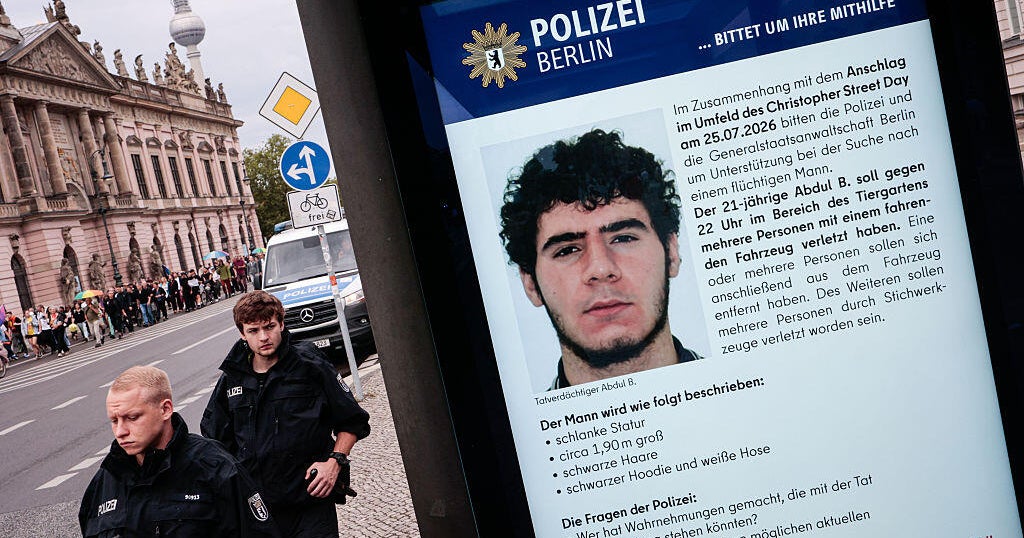
Berlin Pride attack suspect with ISIS ties raised red flags, group says
Officials said Abdul Ballout, a 21-year-old German-born citizen with Lebanese roots, plowed a vehicle into celebrants at one of Europe

Create AI images with your own API key
aixipi runs on desktop/web, uses your own model API balance, and avoids subscription lock-in.
Try aixipi →
Can the U.S. and Iran take the off-ramp?
The U.S. military has paused its airstrikes on Iran after nearly two weeks of intensifying bombing, while diplomatic efforts have pushed forward to try to avert a return to all-out war.

Berlin Pride attacker served time for trying to join ISIS, officials say
The suspect, identified as 21-year-old Abdul Ballout, was killed in a confrontation with police in a suburb of Berlin, police said.