
Can the U.S. and Iran take the off-ramp?

The United States has put its air campaign against Iran on hold, interrupting a stretch of almost two weeks in which the bombing had grown more intense. The break coincides with continuing diplomatic work intended to keep the confrontation from sliding back into a full-scale war. It is not yet clear whether the suspension marks a meaningful change in direction or simply a temporary gap before fighting resumes.
The timing gives the decision added weight. Tuesday will mark five months since the conflict began, a reminder that a crisis described as unpredictable has persisted far longer than a brief exchange. The lack of new U.S. attacks does not answer the central question: whether Washington and Tehran can identify terms that both view as preferable to another escalation. For now, the pause has created an opening, not a settlement.

President Donald Trump has sent messages that point in two directions at once. He has warned that additional strikes remain possible, even as he says negotiations are still moving ahead. This approach allows the United States to keep military pressure in reserve while maintaining a path for talks. It also leaves Iran and outside observers with little certainty about which element of the policy will guide the next decision.
In Washington, Trump appeared in the Oval Office at the White House on Friday, July 24. The president's public position has become a focal point for judging the administration's intentions, particularly because his language has combined the prospect of renewed force with the possibility of diplomacy. Neither signal alone can establish the outcome. Together, they describe an effort to manage a crisis without yet showing how it will be resolved.
The diplomatic task is narrow and difficult. Talks would have to produce enough confidence to make a renewed bombing campaign less likely, while still allowing each government to defend its position at home and abroad. The available information does not indicate that an agreement has been reached or that the underlying dispute has been settled. What exists instead is a period in which contacts can be tested against the risk of a return to wider fighting.
A halt in military action can matter even when it is limited. It may give officials room to assess proposals, clarify demands and decide whether the costs of continued confrontation outweigh the benefits they expect. But it can also be fragile if either side treats the break as leverage rather than a basis for compromise. The current uncertainty reflects both possibilities, which is why the pause cannot be treated as proof that the danger has passed.
The conflict is also carrying consequences beyond the immediate military and diplomatic arena. Fighting has been associated with higher gasoline prices, bringing an international crisis into the everyday budgets of U.S. households. When fuel becomes more expensive, foreign-policy decisions can gain a domestic economic dimension, especially as voters consider broader concerns about costs. The notes do not establish how large or lasting the price effect will be, but they identify it as a growing political concern.
Trump has brushed aside warnings that gasoline-price increases linked to the conflict could hurt Republicans in November's midterm elections. His view contrasts with the concern that sustained price pressure could become a political liability. The eventual electoral impact remains unknowable, and it may depend on how long the conflict continues as much as on the immediate price movement. A short-lived disruption and a prolonged period of instability would present different tests for the administration and its party.
The next developments will therefore be measured against more than the absence of strikes. Diplomacy would need to show tangible progress, the U.S. pause would need to endure, and Trump's threats would need to remain separate from new military action. Iran's choices will be just as important in determining whether the opening can be used. As the five-month mark approaches, the two sides may have an opportunity to take an off-ramp, but the available evidence still leaves the direction of travel unsettled.

Source: NPR World
Related articles

Trump to meet with Zelenskyy, Netanyahu. And, TPS holders could soon face deportation
President Trump is set to hold separate meetings with Ukrainian leader Volodymyr Zelenskyy and Israeli Prime Minister Benjamin Netanyahu are today. And, Temporary Protected Status holders may face deportation soon.

Create AI images with your own API key
aixipi runs on desktop/web, uses your own model API balance, and avoids subscription lock-in.
Try aixipi →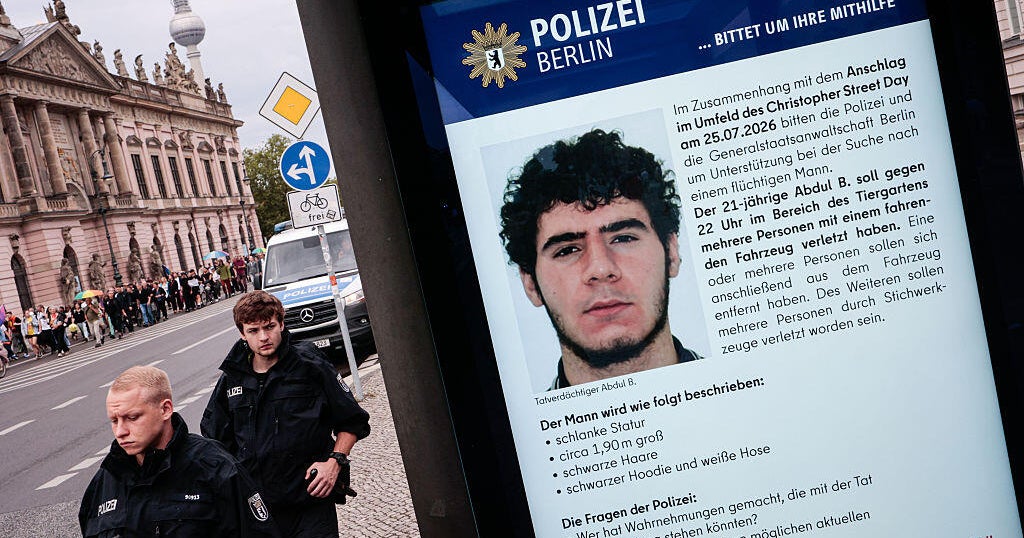
Berlin Pride attack suspect with ISIS ties raised red flags, group says
Officials said Abdul Ballout, a 21-year-old German-born citizen with Lebanese roots, plowed a vehicle into celebrants at one of Europe
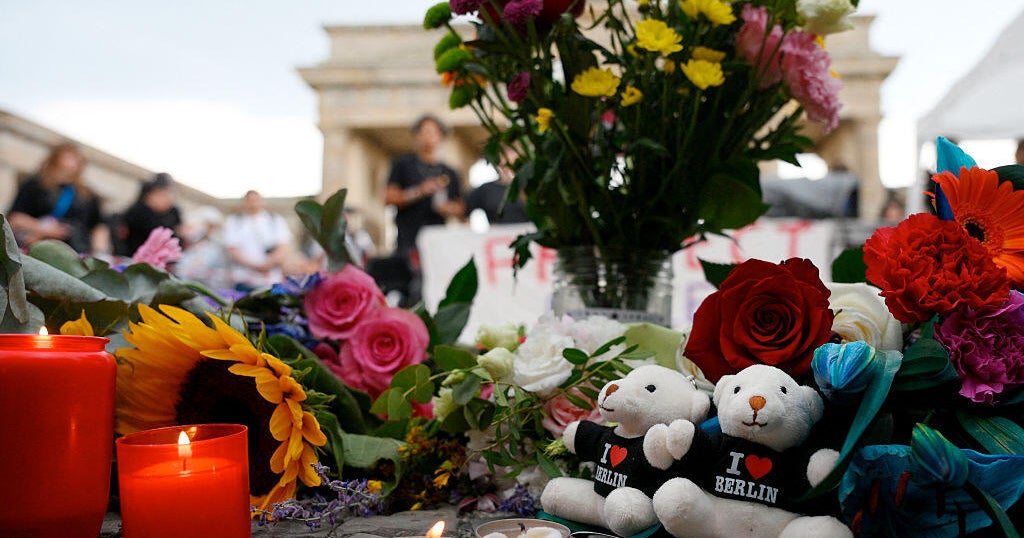
Berlin Pride attacker served time for trying to join ISIS, officials say
The suspect, identified as 21-year-old Abdul Ballout, was killed in a confrontation with police in a suburb of Berlin, police said.