
Berlin Pride attack suspect with ISIS ties raised red flags, group says
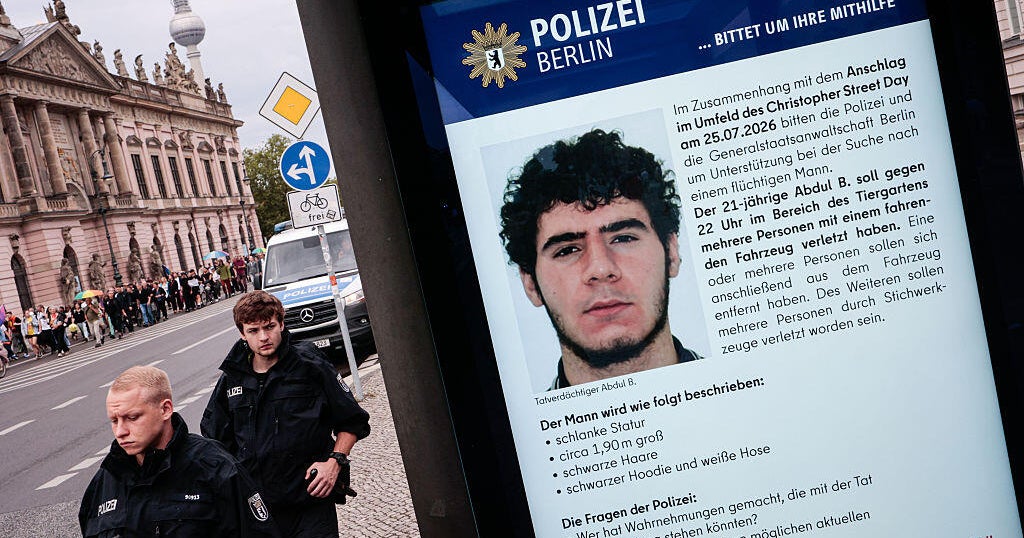
Berlin investigators are examining whether warning signs were missed before a deadly attack on a Pride celebration, after the leader of a deradicalization initiative said its staff had been moving toward removing the suspected attacker from the program. The concerns came before authorities identified the man as Abdul Ballout, a 21-year-old German citizen born in the country to a family with Lebanese roots.
Officials have said Ballout had connections to the Islamic State group. According to the program leader, staff had observed developments serious enough to put his continued participation in jeopardy. The account adds a new element to questions about what information was known before the violence and how agencies charged with countering extremism respond when participants appear to be deteriorating.
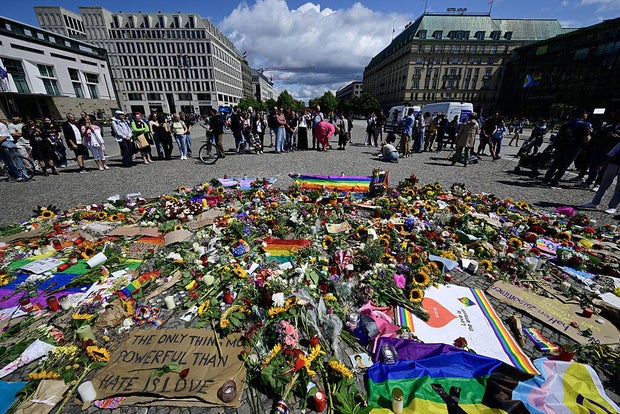
The attack unfolded Saturday night during a major LGBTQ+ Pride gathering in Berlin, an event described as among Europe’s largest. Authorities say a vehicle was driven into people taking part in the celebration. They also say the suspect then appeared to use a machete against other people nearby, turning a public event into a scene of rapidly unfolding violence.
One woman died, while at least 29 people were hurt, officials said. The reported toll reflects both the impact of the vehicle and the subsequent alleged assault. Authorities have not, in the information available so far, set out a complete account of the sequence of events, the condition of those injured, or the precise motive behind the attack.
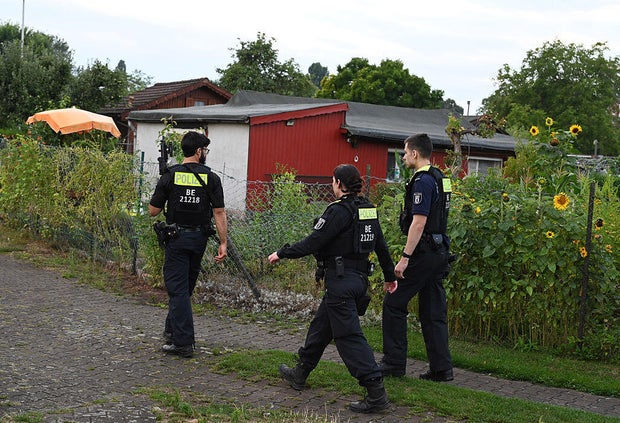
Ballout was killed during an encounter with police in a Berlin suburb on Sunday, officials said. His death brought an end to a search that had lasted roughly a day after the attack. The confrontation means investigators will have to rely on physical evidence, witness accounts, digital material and records held by authorities and organizations that had contact with him.
The reported Islamic State link is an important part of the investigation, but it is not by itself a full explanation of the attack. Officials’ assessment and the deradicalization program leader’s account describe overlapping concerns from different settings: one concerns alleged extremist associations, while the other points to behavior that prompted an internal review. How closely those concerns were shared, evaluated or acted on remains unclear. The available information also does not establish whether the program had authority to impose additional safeguards, alert other agencies, or keep Ballout enrolled once its concerns had grown.
Deradicalization programs are designed to work with people judged vulnerable to extremist influence or seeking to leave it behind, often through sustained contact and assessment. The reported plan to disqualify Ballout underscores a difficult limitation of such efforts: recognizing a risk can lead to intervention or removal, but it does not necessarily answer what protective measures are available afterward. The case is likely to intensify scrutiny of those decisions without establishing, on the facts now public, that any single step could have prevented the violence.
For Berlin’s LGBTQ+ community and the wider public, the attack has placed security at large, visible civic gatherings at the center of attention. Pride events are meant to be celebrations, but their size, open setting and symbolic importance can complicate safety planning. The immediate focus will remain on the victims and those close to them, while organizers, police and city authorities assess what the attack means for future events.
The next stage will depend on the evidence investigators can assemble. They will seek to reconstruct Ballout’s movements before Saturday, assess the vehicle and machete allegations, and determine whether he acted alone. They may also review the deradicalization program’s procedures and contacts with relevant authorities. Those inquiries could clarify why the reported red flags did not lead to a different outcome, or show that key information was unavailable before the attack.
Source: CBS World
Related articles

Trump to meet with Zelenskyy, Netanyahu. And, TPS holders could soon face deportation
President Trump is set to hold separate meetings with Ukrainian leader Volodymyr Zelenskyy and Israeli Prime Minister Benjamin Netanyahu are today. And, Temporary Protected Status holders may face deportation soon.

Create AI images with your own API key
aixipi runs on desktop/web, uses your own model API balance, and avoids subscription lock-in.
Try aixipi →
Can the U.S. and Iran take the off-ramp?
The U.S. military has paused its airstrikes on Iran after nearly two weeks of intensifying bombing, while diplomatic efforts have pushed forward to try to avert a return to all-out war.
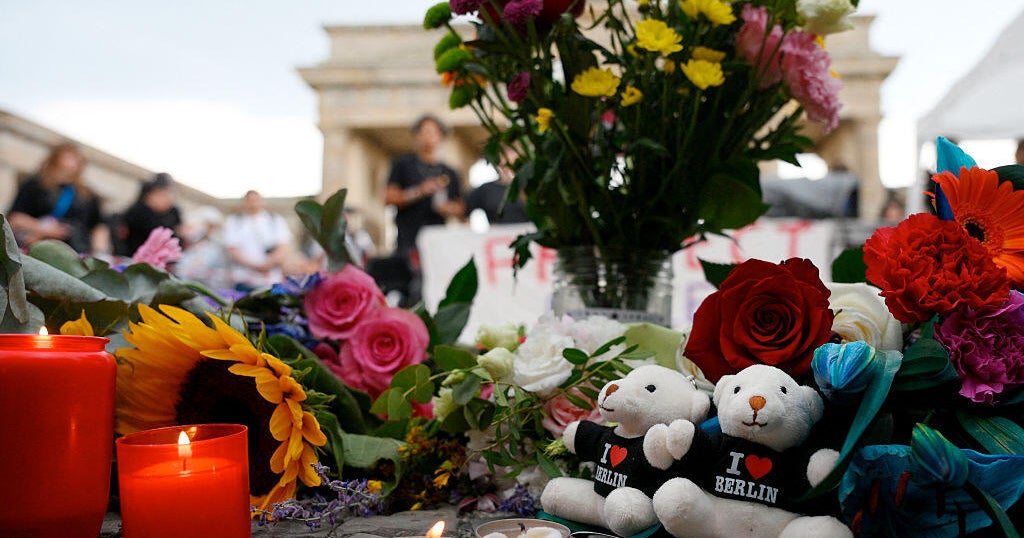
Berlin Pride attacker served time for trying to join ISIS, officials say
The suspect, identified as 21-year-old Abdul Ballout, was killed in a confrontation with police in a suburb of Berlin, police said.