
An Italian Farmer Found Some Unknown Seeds in His Attic and, With Nothing to Lose, Planted Them. The Result Was Almost Biblical
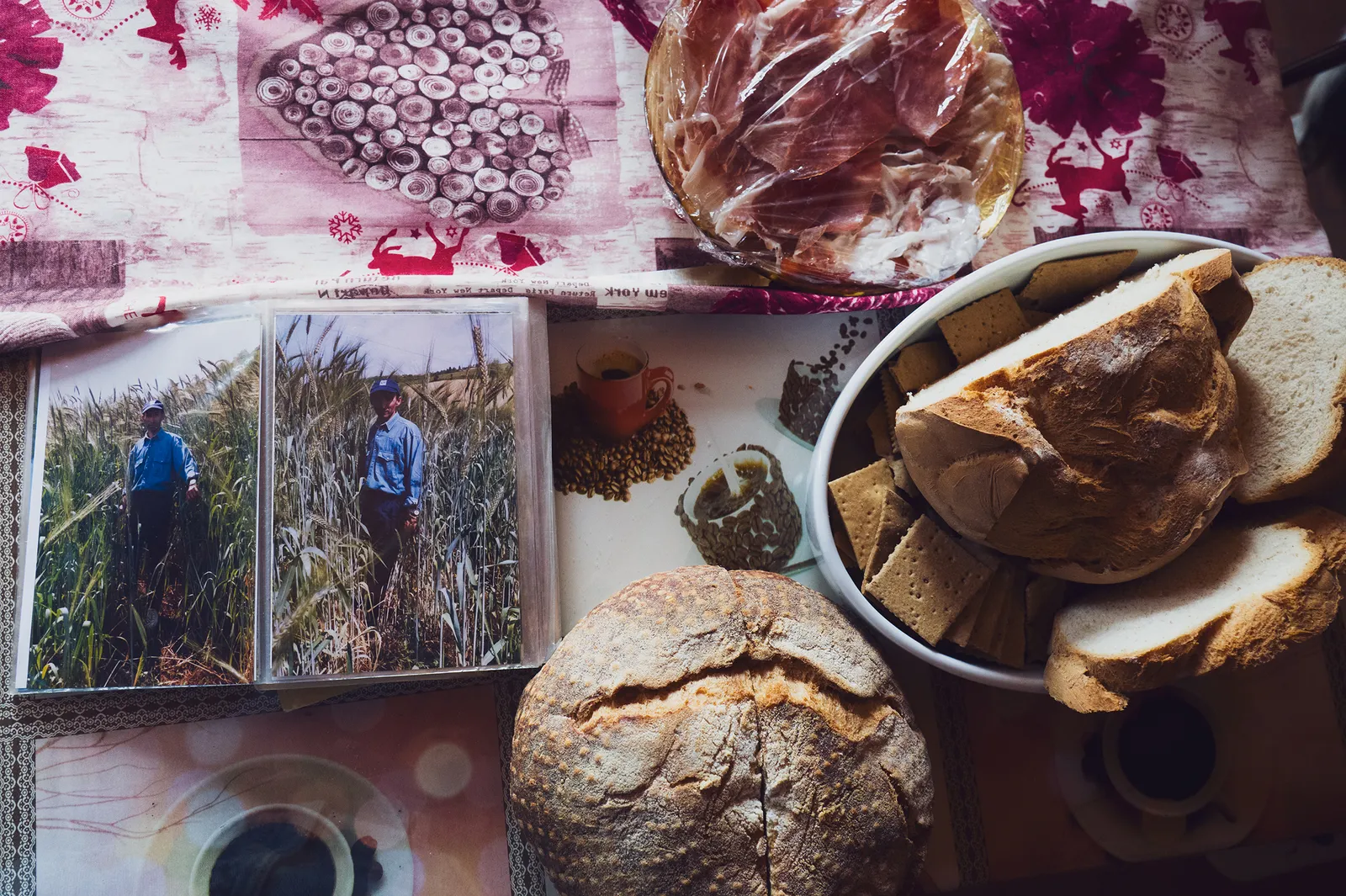
Claudio Grossi, an Italian farmer, planted a batch of unidentified seeds he had discovered in his attic with little reason to expect much from them. The experiment produced a striking result: one of the plants sent up a stem carrying seven ears. For Grossi, the unusual growth suggested that the seeds were not simply an overlooked variety of ordinary wheat, but a surviving grain from a far earlier agricultural world.
The sight gave the discovery an almost scriptural character, yet the result also pointed toward a practical question. If the crop had once been cultivated by people in biblical-era societies, Grossi wondered why it had disappeared from present-day fields. Rather than treat the plant as a curiosity, he set out to learn what the grain could produce when grown, harvested and used as food.
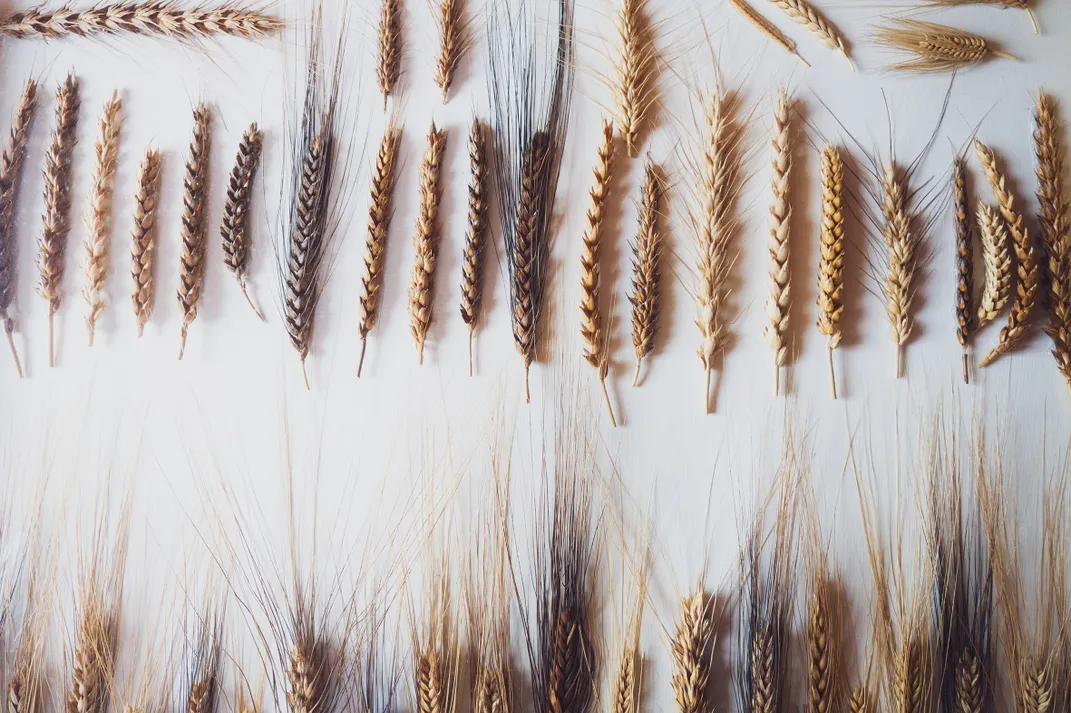
That decision turned an attic find into a modest farming trial. The seeds came without a label, planting instructions or a clear record of their age. The seven-eared stalk offered a visible clue, and Grossi linked its appearance to wheat associated with older traditions. It did not provide a complete account of the grain’s past, but it gave him reason to continue cultivating it instead of abandoning the crop.
The episode carries interest because an apparently ancient grain emerged in a modern setting. Grossi saw it as potentially relevant to present-day challenges, though the account does not identify a single problem that the wheat could solve on its own. Its value, at least initially, lay in the possibility that a long-neglected crop might offer qualities missing from more familiar varieties.
After growing the wheat on his farm, Grossi gathered the grain, milled it into flour and baked bread in his own kitchen. The process gave him a direct way to compare the unfamiliar flour with conventional wheat products. One drawback became clear early: the dough did not rise as easily as dough made from commercial wheat.
That weaker rise did not end the experiment. As the loaf baked, Grossi noticed a strong aroma that he found appealing, marked by a nutty character. The finished bread also had a deeper taste than he expected. He detected a sweetness that, in his view, was not present in ordinary commercial flour.
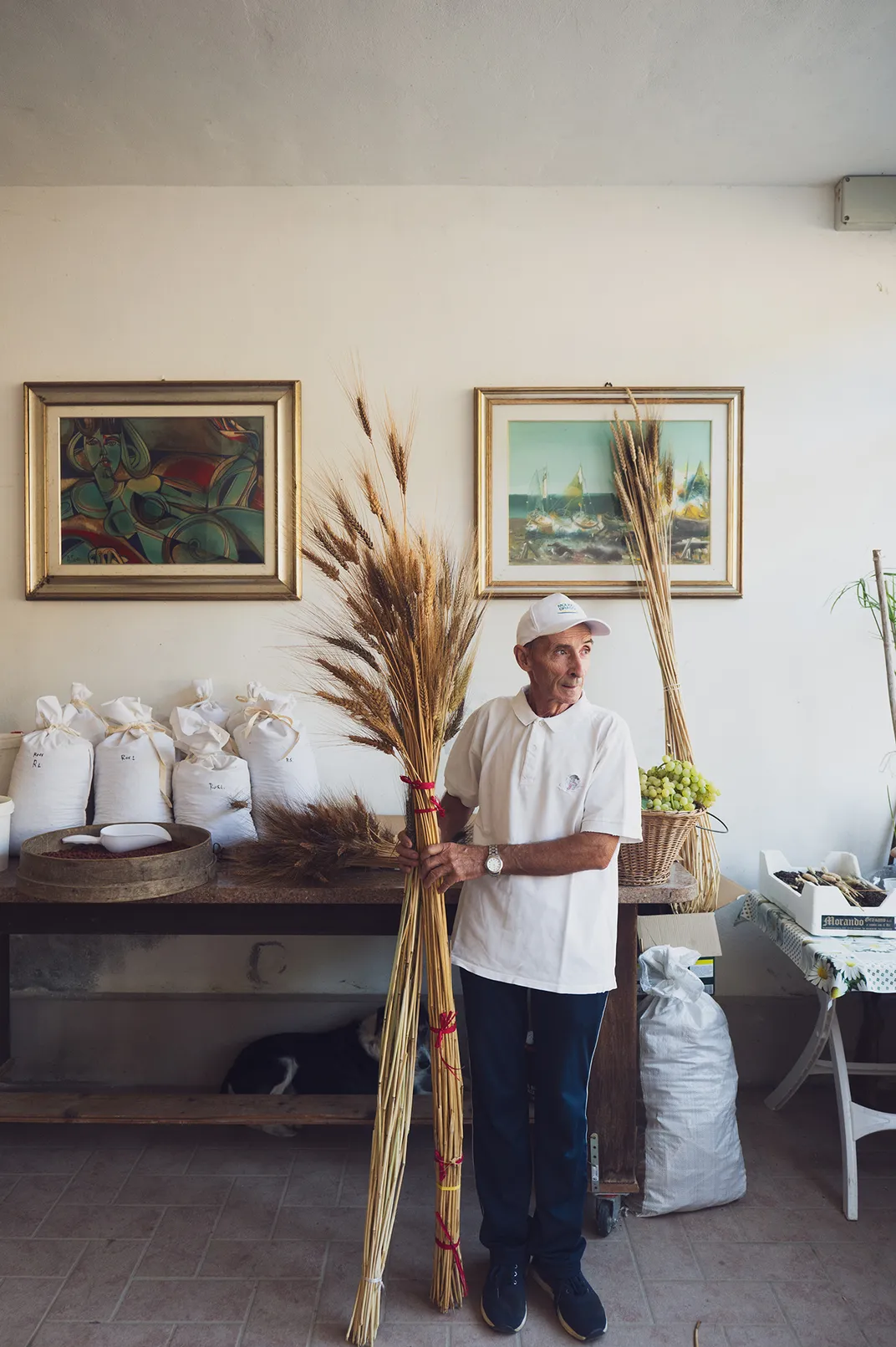
The contrast between the loaf’s limited lift and its distinctive flavor is central to the discovery. Grossi’s result did not present the wheat as a straightforward substitute for standard flour. Instead, it raised a more specific question about trade-offs: whether a grain that behaves differently in dough could still be valued for the qualities it brings after baking.
There are important limits to what one harvest and one loaf can establish. A remarkable stalk and successful bread-making test can prompt attention, but they do not settle the grain’s identification, its agricultural history or its wider usefulness. Those questions would require further cultivation and examination, especially before drawing broad conclusions about the role of the wheat in contemporary food production.
For now, Grossi’s account follows an unlikely but simple path. Seeds left in an attic were planted, an unfamiliar wheat emerged, and the crop ultimately became bread. The outcome was notable not because it delivered a finished answer, but because it brought a nearly forgotten grain back into view and left open the question of what else it may reveal.
Source: Smithsonian Magazine
Related articles

Two Thousand Years Ago, a New Ice Age Began—but Human-Caused Climate Change Recently Reversed It, According to New Research
All that's left of a gargantuan ice sheet that once covered nearly 30 percent of North America is a Delaware-size ice cap in Canada. Scientists have found that the ice cap began to expand around 2,000 years ago—a sign of a new ice age—but it started shrinking in the 1960s

Play Tractor online with friends — free
Real-time Sheng Ji / Tractor for 3–5 players, with complete bidding and trump rules across web, iOS and Android.
Play bidfive →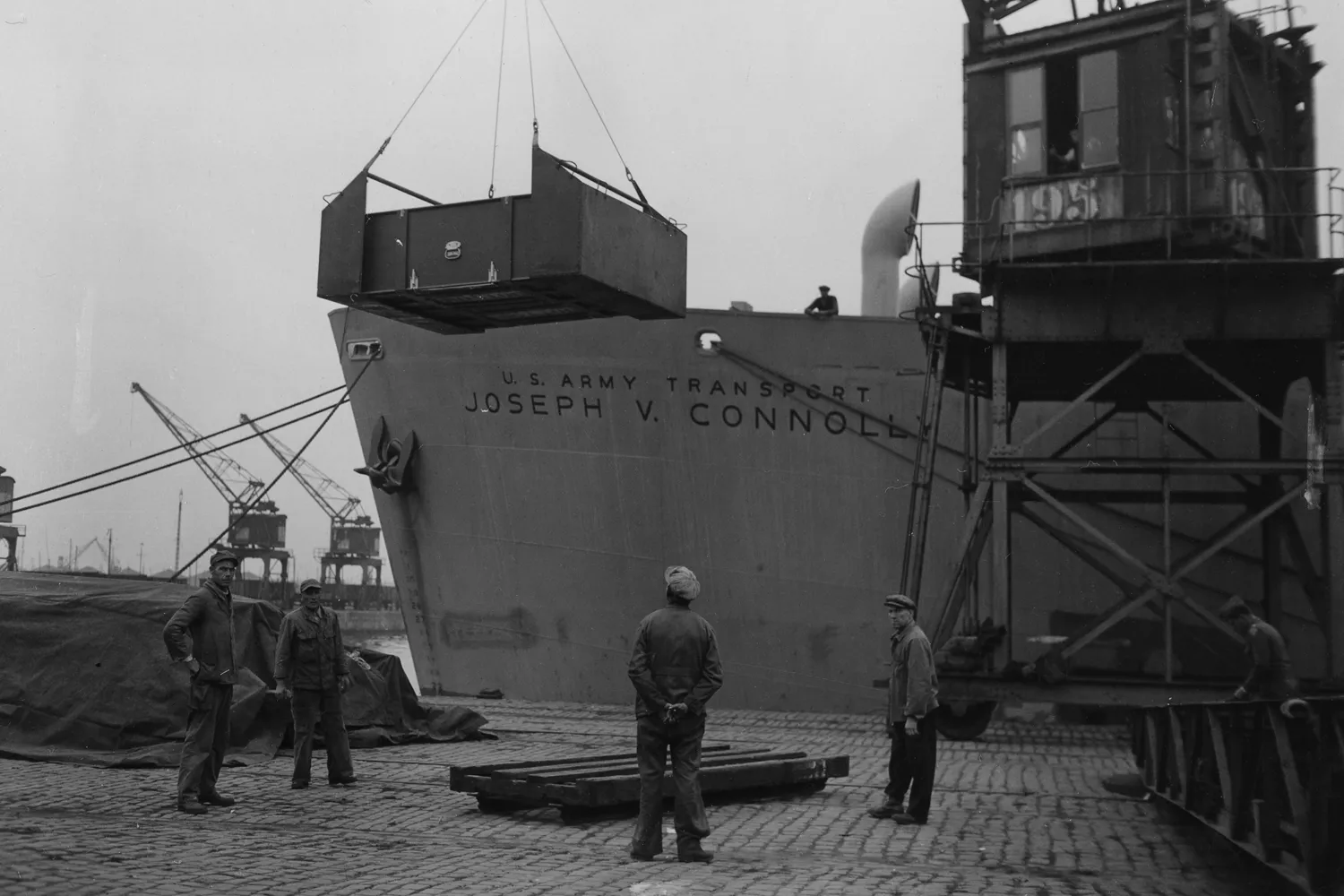
Two Years After World War II Ended, This Ship Brought the Bodies of 6,251 Fallen Service Members Back Home to America
The S.S. "Joseph V. Connolly" arrived in New York City on October 26, 1947. The caskets stored in its holds contained the remains of privates and three-star generals alike

Art Museums in Milwaukee and Tampa Bay Are Betting That Their Hometown Baseball Teams Will Win the World Series. The Wager? Monet Paintings
As the Brewers take on the Rays in the Fall Classic, two art museums are engaged in a friendly bit of sports betting: The winning city (temporarily) gets a Monet from the other city's collection

GTA 6 guides, updates and practical reference
Explore a Chinese GTA 6 guide library covering the release, map, characters, missions, vehicles and weapons.
Browse guides →
Create AI images with your own API key
aixipi runs on desktop/web, uses your own model API balance, and avoids subscription lock-in.
Try aixipi →