
Ebola death toll reaches 600, as new cases suspected in other parts of Congo
Congo's health ministry announced Thursday that the death toll from the country's ongoing Ebola outbreak has climbed to 600, even as officials confirmed that suspected infections have surfaced in regions that had until now been untouched by the virus.
According to government health authorities, suspected cases have been logged in Tshopo and Haut-Uele, two provinces that sit outside the outbreak's original hot zone. Their appearance suggests the virus is pushing beyond Ituri province, where the epidemic first took hold and where the bulk of confirmed infections have been concentrated.
Ituri, located in Congo's mineral-rich east, has served as the epicenter since the outbreak began, and it remains the region bearing the heaviest burden of illness and death. The spread into Tshopo and Haut-Uele marks a troubling shift, as it indicates the disease is no longer contained to a single geographic pocket and may be traveling through population movement or other transmission chains that authorities are still working to trace.
The scale of the crisis has drawn international attention, particularly because the Ebola strain driving this outbreak differs from those for which existing vaccines and therapies were developed. Public health researchers have noted that no treatment has been specifically engineered to combat this particular viral strain, leaving clinicians to rely on supportive care and repurposed interventions while infections continue to mount.
Despite that gap, there are signs of progress on the medical front. Efforts are underway to test experimental interventions directly in the outbreak zone: at the Evangelical Medical Center in Bunia, a city in eastern Congo's Ituri province, clinical trials targeting this Ebola strain are being organized, according to health workers pictured at the facility earlier this month. Researchers and global health officials have expressed cautious optimism that such trials could eventually yield a therapy tailored to the strain currently circulating.
Congo has weathered numerous Ebola outbreaks over the past several decades, and its health system, along with international partners such as the World Health Organization, has developed substantial experience in outbreak containment, including ring vaccination, contact tracing and community engagement campaigns. Even so, the emergence of cases in new provinces complicates those efforts, since it widens the geographic area that surveillance teams must monitor and stretches already limited resources across more territory.
Health officials have not yet detailed how the virus reached Tshopo and Haut-Uele or how many suspected cases have been identified in each province, and confirmation through laboratory testing is expected to follow in the coming days. The situation underscores the unpredictable trajectory these outbreaks can take even months after they begin, and it raises the stakes for the clinical trial work now getting underway in Bunia as researchers race to find tools better matched to the strain responsible for the mounting toll.
Source: NPR Health
Related articles

Physicists created a tiny universe where time emerged without a clock
What if time doesn't actually exist until something changes? Scientists at the University of Birmingham created a tiny "mini universe" using 24,000 ultracold atoms and showed that the flow of time can emerge naturally from changes inside a quantum system, without r

Create AI images with your own API key
aixipi runs on desktop/web, uses your own model API balance, and avoids subscription lock-in.
Try aixipi →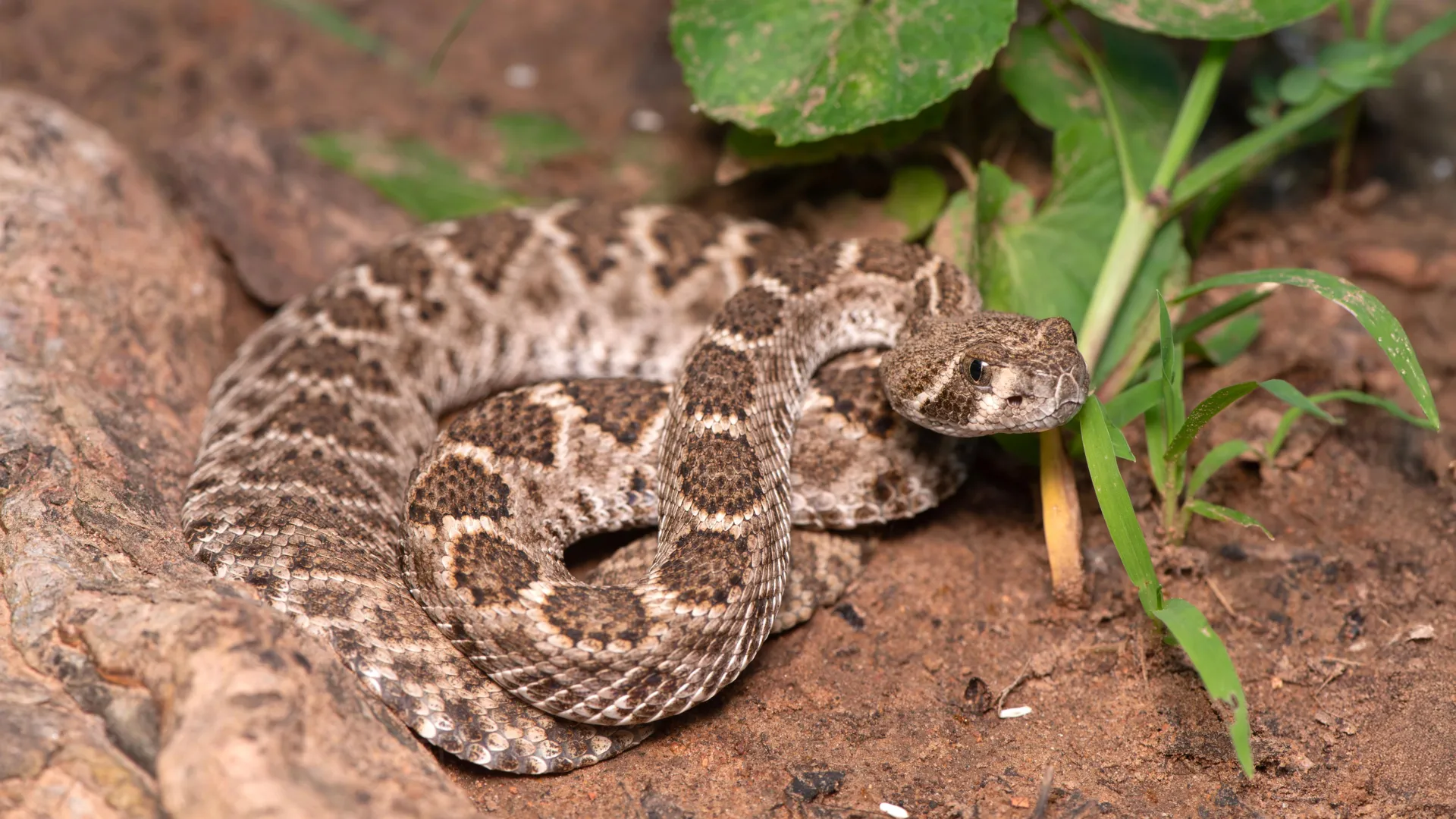
Scientists just debunked a dangerous baby rattlesnake myth
A new study debunks the long-standing claim that baby rattlesnakes are more dangerous than adults. Researchers found that young rattlesnakes can control their venom just like adults, while adult snakes usually inject much more venom and cause more serious bites. The team also unc

What is an aortic dissection?
NPR's A Martinez speaks with American Heart Association's volunteer president Dr. Manesh Patel about aortic dissection, the preliminary finding of what led to Sen. Lindsey Graham's death.