
Scientists just debunked a dangerous baby rattlesnake myth
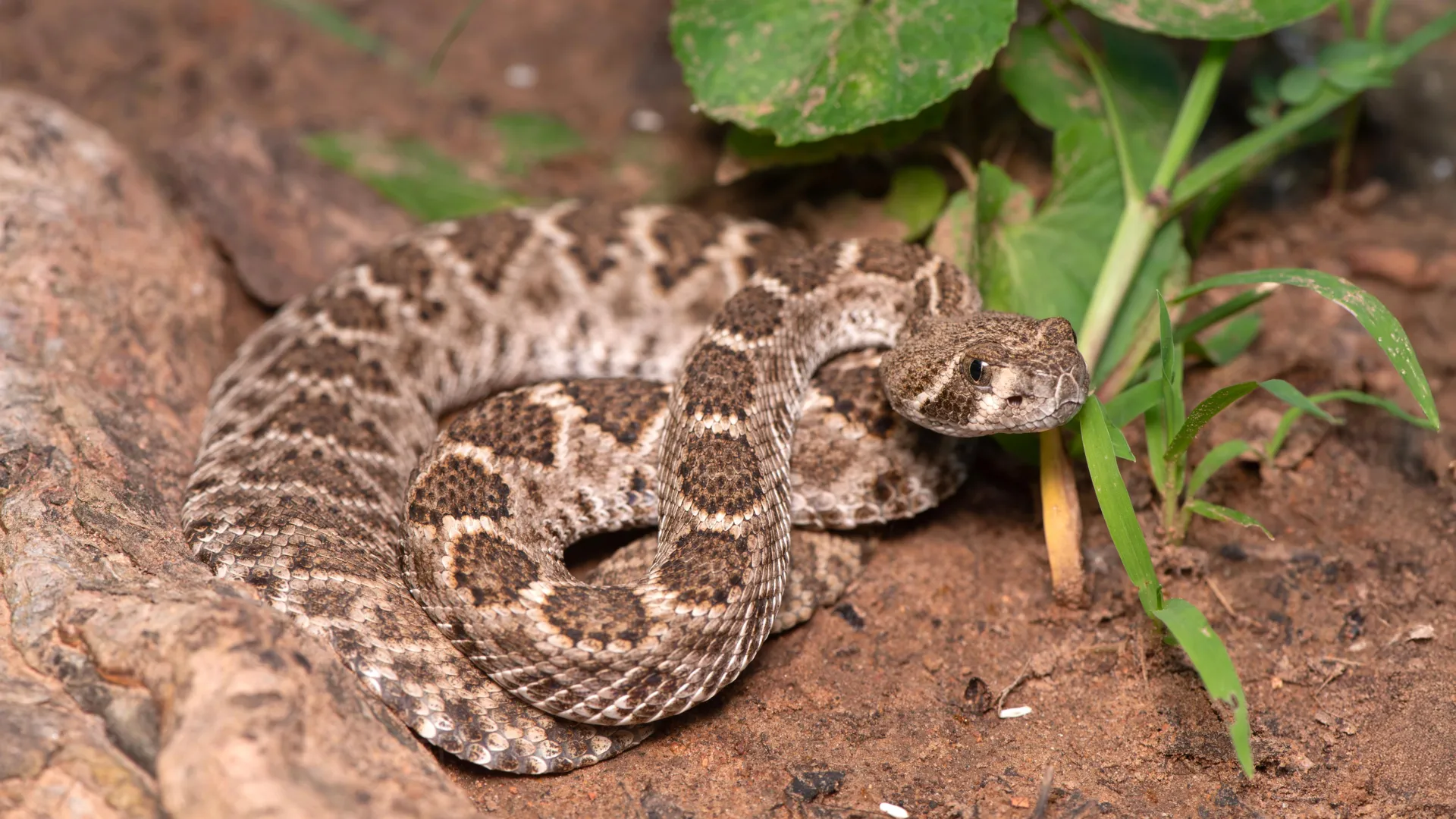
A new study from researchers at Loma Linda University has dismantled a piece of outdoor folklore that has shaped how people react to rattlesnakes for generations: the notion that a juvenile rattlesnake's bite is more dangerous than an adult's. According to the findings, young rattlesnakes are just as capable of regulating their venom output as fully grown ones, while it is the adults — not the juveniles — that typically deliver the far larger, more harmful venom loads.
The idea that baby rattlesnakes pose the greater threat has circulated for decades among hikers, campers, and even some medical staff. It rests on a specific claim: that newly hatched or young snakes supposedly cannot moderate how much venom they release, so every strike from a juvenile empties its entire venom reserve into the victim. That assumption made young snakes sound like uncontrolled, worst-case biters compared with adults, which were assumed to hold something back.
The Loma Linda team set out to test that premise directly and found it does not hold up. Juvenile rattlesnakes, the researchers determined, exercise the same kind of control over venom delivery that adult snakes do. In practice, this means the "all-or-nothing" bite attributed to baby snakes is not a biological reality. Adult rattlesnakes, by contrast, tend to produce more serious envenomations simply because they physically carry and can inject substantially greater quantities of venom.
Beyond testing the venom-control claim itself, the researchers traced how the myth took hold and spread in the first place. Their review pointed to years of media coverage that repeated the idea without scrutiny, often anchored by quotes attributed to seemingly credible sources — doctors, wildlife experts, or park officials — that were themselves imprecise or taken out of context. Once in circulation, the claim was cited and recited across news stories and public-safety materials until it hardened into accepted fact.
That persistence, the study argues, has carried real costs. Researchers said the myth has fed into poor decision-making by people who encounter rattlesnakes in the wild, sometimes leading them to underestimate the risk posed by adult snakes while overreacting to smaller ones. It has also left snakebite victims more frightened than the situation may warrant, and in some cases influenced clinical care.
On that last point, the study is direct about the stakes involved. The false belief has led to "misinformed risk-taking by those encountering snakes" and to care shaped by pressure from anxious patients or family members rather than clinical evidence, the researchers wrote, describing a pattern in which outdated assumptions about juvenile venom potency filtered into treatment decisions.
The correction matters for both public safety messaging and emergency medicine, since treatment protocols and risk warnings have sometimes been built around the assumption that young snakes are uniquely hazardous. The study's authors suggest that framing is backwards: severity of a rattlesnake bite tracks more closely with the size and venom capacity of the snake, meaning adult rattlesnakes generally warrant the greater caution. The findings do not suggest juvenile rattlesnakes are harmless — any venomous bite requires prompt medical attention — but they aim to strip away the exaggerated, decades-old reputation that baby snakes are especially uncontrollable, in hopes that more accurate information reaches both the public and the clinicians who treat snakebites.
Source: ScienceDaily
Related articles

Physicists created a tiny universe where time emerged without a clock
What if time doesn't actually exist until something changes? Scientists at the University of Birmingham created a tiny "mini universe" using 24,000 ultracold atoms and showed that the flow of time can emerge naturally from changes inside a quantum system, without r

Create AI images with your own API key
aixipi runs on desktop/web, uses your own model API balance, and avoids subscription lock-in.
Try aixipi →Ebola death toll reaches 600, as new cases suspected in other parts of Congo
New suspected cases of Ebola have been reported in parts of Congo that were previously unaffected, the government said, signaling the continued spread of the disease beyond the epicenter in Ituri.

What is an aortic dissection?
NPR's A Martinez speaks with American Heart Association's volunteer president Dr. Manesh Patel about aortic dissection, the preliminary finding of what led to Sen. Lindsey Graham's death.