
Flights canceled as WestJet flight attendants strike over pay dispute
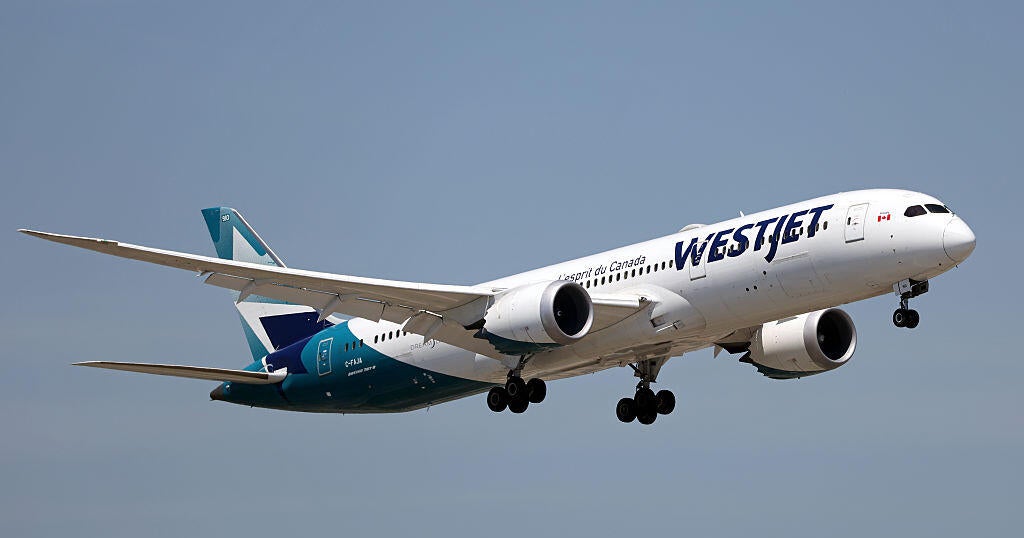
WestJet canceled more than 300 flights by early Sunday after its flight attendants began a strike centered on compensation, disrupting travelers during a Canadian three-day weekend. The walkout involves cabin crew at Canada’s second-largest airline and immediately turned a labor disagreement into a broad operational problem for passengers whose plans depended on the carrier’s schedule.
The Canadian Union of Public Employees said the action was underway in a Facebook announcement. The union represents about 4,400 WestJet flight attendants, making the dispute a significant one for the airline’s cabin-crew operation. WestJet separately confirmed that a strike had begun, while its growing list of cancellations showed the practical effect on service as the weekend continued. The union’s public statement and the airline’s confirmation made clear that the disruption was not simply a scheduling adjustment, but the result of an active labor action.
At the heart of the negotiations is the treatment of work performed before a flight is airborne. The union’s position is that certain duties completed while aircraft are still on the ground are not paid. That question puts attention not only on the level of compensation, but also on when a flight attendant’s paid time is considered to start. It frames the conflict around a portion of the workday that occurs before the airborne stage that travelers most readily associate with a flight.
WestJet has offered a different account of its pay practices. The company said its employees are compensated for their work, but described the arrangement as a credit-hour system rather than a standard hourly-wage model. The disagreement therefore appears to concern both the value and the measurement of time spent working around a flight’s departure. While the union describes a gap in payment for ground duties, the airline says its method already recognizes employee time through a different compensation structure.
The timing amplified the immediate consequences. A three-day weekend typically concentrates travel plans into a limited window, and the cancellation of hundreds of flights left many WestJet customers confronting interruptions to planned journeys. By early Sunday, the airline had already canceled more than 300 flights, a figure that underscored how quickly the strike had reached beyond the negotiating table. The number was reported early in the day, so it captured the disruption at a particular moment rather than serving as a final account of the weekend’s canceled service.
WestJet’s position in the Canadian aviation market adds to the significance of the disruption. As the country’s second-largest airline, its network matters to a large number of travelers, and a suspension of flights can affect plans across the period of labor action. The company is also a Delta Air Lines partner, another indication of its place within a wider airline network, although the available information does not detail consequences for partner operations. No conclusion about effects beyond WestJet’s own canceled flights can be drawn from the information released early Sunday.
For the union, the dispute presents the unpaid-ground-work issue as a question of whether cabin crew receive compensation for all of the tasks they perform. For WestJet, the key distinction is its credit-hour approach to pay. Those competing descriptions leave a central issue unresolved: whether the company’s existing system adequately covers duties completed before the aircraft is in the air. The contrast also shows why the dispute cannot be reduced simply to a single wage figure; the parties differ over the way work time itself should be counted.
Public confirmation from both sides establishes that the strike is active, but the information available early Sunday did not set out a timetable for an agreement or an end to the cancellations. It also did not indicate whether the total number of canceled flights would rise. Travelers with WestJet plans during the holiday period face an evolving situation while the pay dispute remains unsettled. For now, the confirmed facts point to a labor impasse that has already produced a large and visible interruption to the airline’s published service.
The next developments will depend on whether the airline and the union can bridge their disagreement over ground-time compensation. Until then, the immediate benchmark is the scope of WestJet’s disrupted schedule: more than 300 flights had been called off by early Sunday. The strike’s duration and the pace of further operational changes were not specified in the available account. Any resolution would need to address the competing views of how flight attendants should be paid for work done before departure.
Source: CBS World
Related articles
Wildfire danger in Europe shifts to Greece as evacuation orders remain in France
For Greece, the danger carried grim resonance: a 2018 wildfire at the seaside community of Mati, near Athens, killed 104 people.

Create AI images with your own API key
aixipi runs on desktop/web, uses your own model API balance, and avoids subscription lock-in.
Try aixipi →
Spain's Pedro Sánchez was a hero of migrants. After Ceuta, he faces his biggest challenge
The pro-immigration leader is facing backlash at home and abroad after roughly 60,000 people crossed from Morocco into the Spanish enclave.

10 climbers, including famed mountaineer, dead in Pakistan avalanche
The 10-person expedition lost contact with its base camp after an avalanche struck Broad Peak as they attempted to scale the mountain.