
Iran dismisses U.S. response to peace proposal as "not convincing"
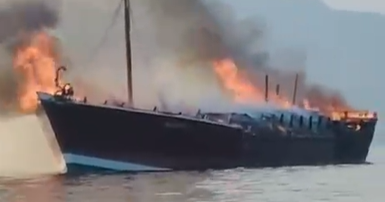
Iran has rejected the latest U.S. response to a proposed peace arrangement, calling it unpersuasive after fresh American attacks, according to the account of the exchanges. The response landed as President Donald Trump said on the eve of U.S. elections that an agreement with Tehran still “could happen.” The contrast underscored how quickly diplomatic signals have been overtaken by military developments and how far the two sides remain from an outcome that either is prepared to endorse.
The public positions leave little detail about the substance of the proposal or the terms Iran found unacceptable. What is clear is that Tehran did not regard Washington’s latest answer as a credible basis for progress. Trump’s suggestion that a deal remained possible indicated that the U.S. side had not publicly abandoned diplomacy, but subsequent strikes complicated the prospect of converting that possibility into negotiations.
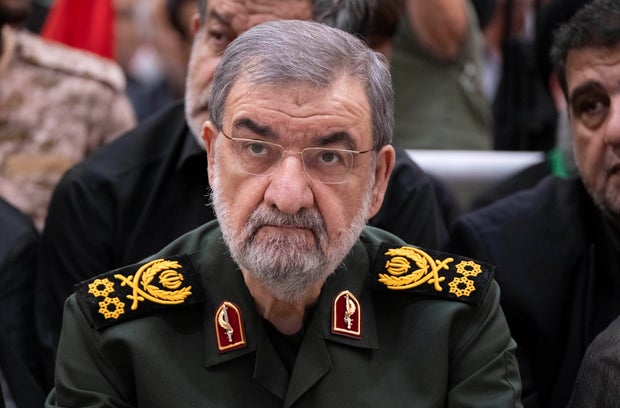
The sequence also puts the timing of any talks in sharper focus. A stated willingness to pursue an agreement can coexist with military action, yet each new attack can make a political opening harder to sustain. Iran’s dismissal signals that a proposal alone will not settle the dispute; the immediate question is whether either side changes its approach enough to make another exchange meaningful.
The consequences of the wider conflict are now extending beyond the people and governments directly involved. The Asian Football Confederation said Tuesday that the 2027 Asian Cup would no longer begin in Saudi Arabia on Jan. 7. After discussions with the Saudi organizers, the confederation moved the opening date to Dec. 23, delaying the tournament by nearly a year.
The Asian Cup is the largest sporting event so far pushed back because of the Middle East conflict. The postponement followed deadly recent attacks in Saudi Arabia, the tournament’s host country. By changing the schedule rather than proceeding as planned, organizers acknowledged that the security environment had become central to decisions about staging a major international competition.
Questions about Saudi Arabia’s ability to safely host a tournament of this scale had already been building in recent weeks. The country is also due to host the 2034 World Cup, so the decision carries significance beyond one continental championship. It does not by itself determine the outlook for that later event, but it highlights the scrutiny Saudi organizers face when planning for global sport during a period of regional instability.
For the football confederation and Saudi organizers, the revised date creates time but not a public answer to the underlying security concerns. The postponement may reduce the immediate pressure to stage the event amid recent attacks, while leaving practical arrangements and confidence in the host environment to be assessed closer to the new start. The statement described the move as the result of consultation, rather than presenting it as a resolution of those concerns.
Diplomacy and sport are therefore being affected by the same unsettled backdrop in different ways. Washington has left open the possibility of a deal, while Iran has made clear that its latest response falls short from Tehran’s perspective. In Saudi Arabia, the football calendar has already changed. What happens next will depend on whether the conflict’s military and political trajectory permits renewed engagement, and whether conditions improve enough for organizers to carry out the rescheduled Asian Cup.
Source: CBS World
Related articles

5 people rescued in South Pacific after months at sea, 4 still missing
The U.S. Coast Guard in Guam confirmed that the skiff with nine people aboard had been reported missing in July.

Create AI images with your own API key
aixipi runs on desktop/web, uses your own model API balance, and avoids subscription lock-in.
Try aixipi →
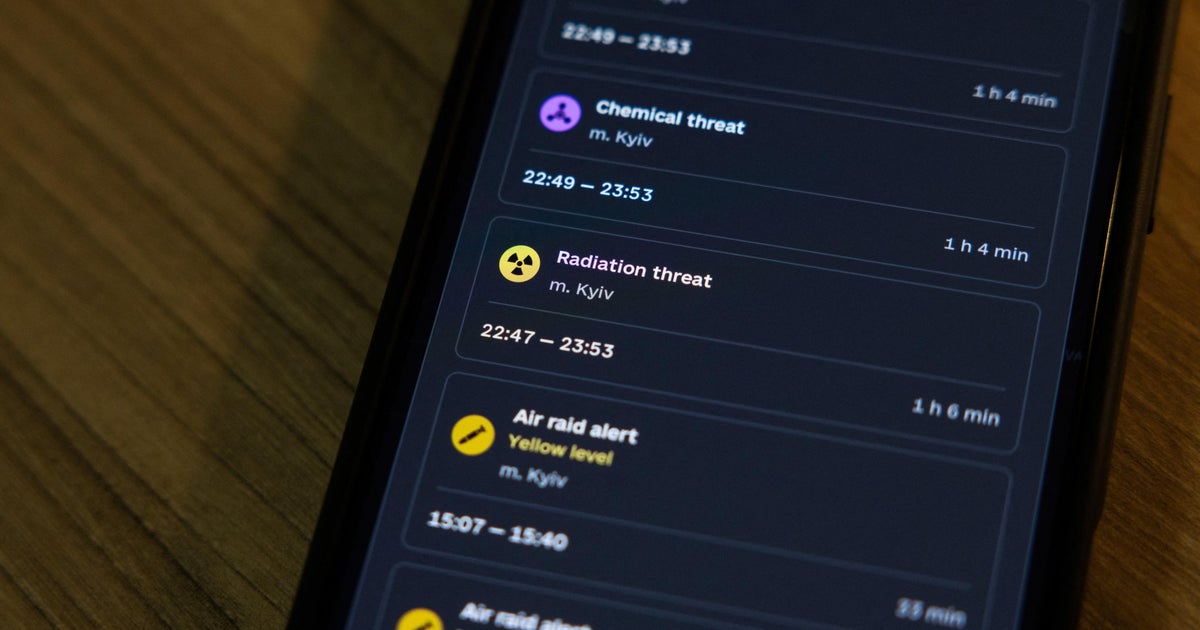
Hacked alert apps send Ukrainians, Russians fake attack warnings
Ukrainian and Russian emergency alert apps were hacked just hours apart, sending civilians false warnings of chemical and nuclear attacks.