
Poland launches major security operation along border with Russia
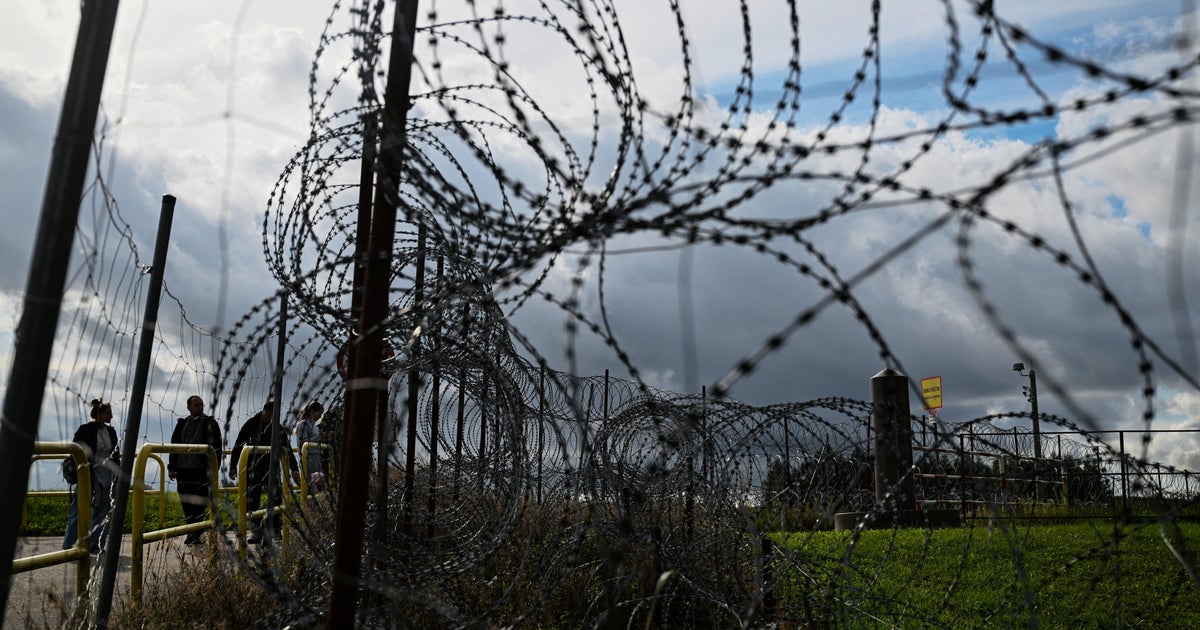
Poland has begun a heightened security operation on the frontier adjoining Russia’s Kaliningrad region after intelligence services flagged the possibility of hostile activity there in early November. The move brings police, counterterrorism personnel and military special-forces troops into a coordinated deployment on a stretch of border that has become a particularly sensitive point in Europe’s security landscape. Poland’s prime minister said the operation could already have averted an attempted act of sabotage or a deliberate provocation directed at the NATO ally.
National police chief Marek Boroń said the operation started on Monday and is scheduled to remain in place through at least Nov. 8. The announced time frame covers the period for which Polish and allied intelligence services had issued their warnings. Officials have not presented the deployment as a routine policing measure; its composition and timing indicate that authorities are treating the intelligence assessment as an immediate security concern.
Additional police officers form one part of the response, alongside specialist counterterrorism teams. Poland has also assigned members of GROM, its elite military special-forces unit, to the operation. That mix places conventional law-enforcement capacity next to units trained for higher-risk situations, while allowing the authorities to maintain a visible presence and respond quickly if a threat becomes clearer.
The intelligence alerts focused on the first half of November and singled out the area near Kaliningrad. They raised the prospect of sabotage, actions intended to provoke a reaction, and possible incursions across the border by armed groups. The warnings describe risks rather than a publicly detailed attack plan, so the operation is best understood as a preventive response to information shared by Poland and its partners.
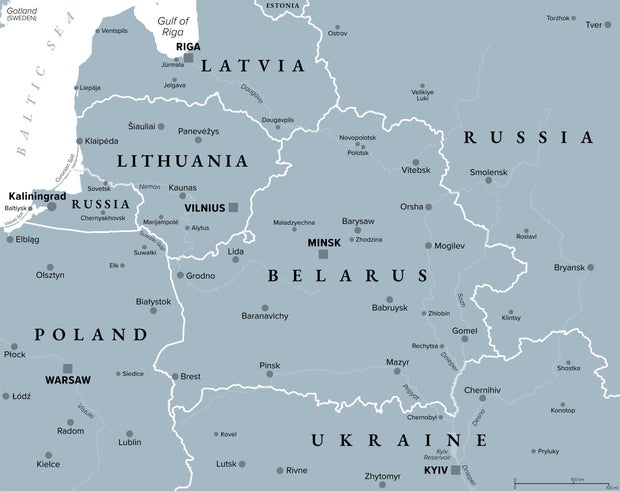
Kaliningrad is a Russian exclave, and Poland’s border with it is also an external frontier of NATO. That geography gives any security incident wider significance beyond the immediate area. A suspected cross-border operation, even one that did not result in violence, could test the ability of Polish services to assess a fast-moving situation, coordinate with allies and keep a localized episode from developing into a larger political or military confrontation.
The reference to possible provocations adds a further layer of uncertainty. Such conduct can be intended to create confusion or draw an official response, rather than cause direct damage alone. For security agencies, the distinction is important: decisions made at a tense border depend on establishing what has occurred, whether people are armed, and whether an event is isolated or connected to a broader attempt to create instability.
For residents and travelers near the border, the deployment is likely to mean a more conspicuous official presence while it lasts. For Warsaw, the immediate task is narrower: to protect the border and investigate or interrupt any activity that matches the intelligence warnings. The government’s statement that a possible operation may have been prevented leaves open whether authorities believe a specific plan was disrupted, or whether the strengthened posture itself helped deter one.
The operation also reflects the importance Poland places on allied intelligence cooperation. The warning was not described as coming from Polish services alone; officials said intelligence agencies from Poland and partner countries had identified the risk period. Such cooperation can help establish a shared picture of potential threats, but it does not by itself settle how imminent any individual threat is or who may be responsible.
Attention will now turn to the period through Nov. 8 and to any further account from Polish authorities of what prompted the alert. The key questions are whether security forces identify a concrete attempted act, whether the deployment is extended, and whether officials provide more detail about the armed-group concern. Until then, the public record points to an intensified precautionary operation mounted for a narrowly defined period of elevated alert on a key NATO frontier, rather than a fully described incident on the border.
Source: CBS World
Related articles

5 people rescued in South Pacific after months at sea, 4 still missing
The U.S. Coast Guard in Guam confirmed that the skiff with nine people aboard had been reported missing in July.

Create AI images with your own API key
aixipi runs on desktop/web, uses your own model API balance, and avoids subscription lock-in.
Try aixipi →
Iran dismisses U.S. response to peace proposal as "not convincing"
Trump said on eve of U.S. elections that a deal with Iran "could happen," but after new U.S. strikes, Tehran called America
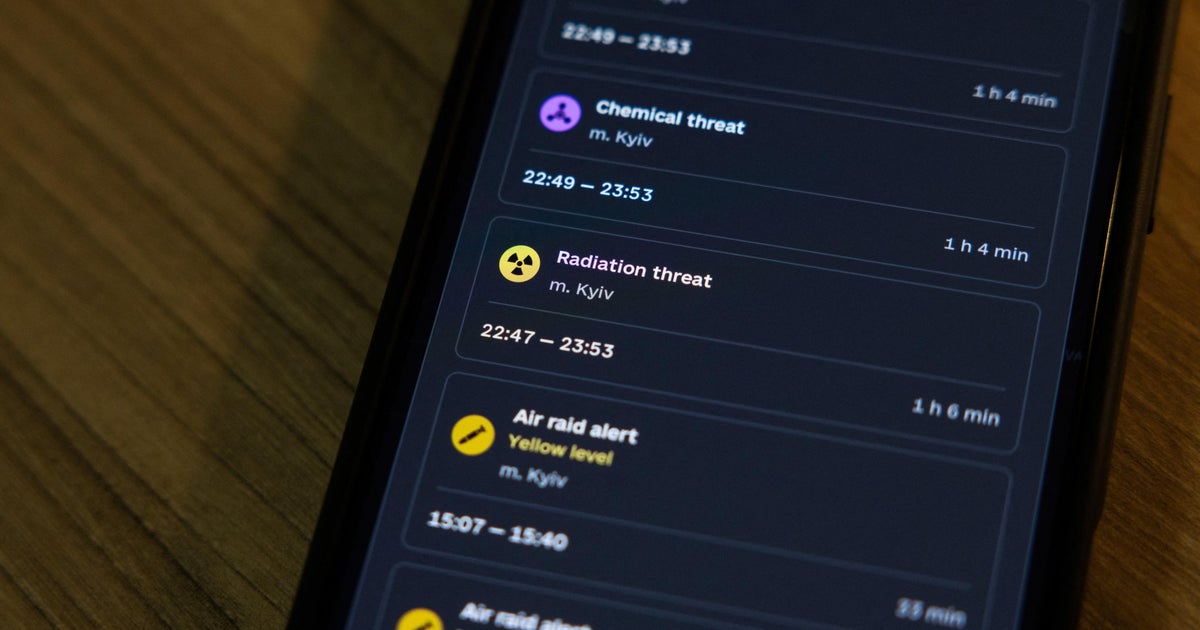
Hacked alert apps send Ukrainians, Russians fake attack warnings
Ukrainian and Russian emergency alert apps were hacked just hours apart, sending civilians false warnings of chemical and nuclear attacks.