
Netanyahu to meet Trump in a first encounter since the Iran war began

Israeli Prime Minister Benjamin Netanyahu is scheduled to meet President Donald Trump on Tuesday, their first in-person discussion since the two leaders entered a war with Iran. The visit puts a military confrontation and a strained political partnership in the same room. Netanyahu will have an opening to demonstrate that coordination with Washington still holds. Trump, meanwhile, will face a key counterpart in the conflict as pressure grows on him to bring a deeply unpopular war to a close.
The meeting is significant not only because it follows the start of the Iran war, but because it comes after the relationship between the two men has worsened. Their earlier cooperation has given way to visible political friction, leaving both leaders with incentives to limit further damage. A successful encounter would not by itself settle their differences or alter the course of the conflict. It could, however, signal whether the two governments can still present a united approach at a moment of sustained uncertainty.

For Netanyahu, the timing is especially sensitive. He is approaching an election while facing pressure connected in part to his deteriorating ties with Trump. Relations with the U.S. president have become a domestic political issue rather than simply a matter of diplomacy. That makes the Washington meeting a test of political standing as well as a discussion between wartime allies. Netanyahu has reason to seek evidence that the partnership can be steadied, even if no public breakthrough follows immediately.
Trump is confronting a different, but equally immediate, political burden. The war has become unpopular in the United States, adding urgency to demands that his administration find a path toward ending it. The conflict has also disrupted the economy and contributed to higher prices. Those effects matter particularly as the country moves toward midterm elections in November, when voters may judge the administration against both the conduct of the war and the financial strain associated with it.
Economic consequences give the talks a wider significance beyond the leaders’ personal relationship. Rising prices can turn an overseas crisis into an everyday concern for households, while broader economic disruption can narrow the political room available for a prolonged campaign. Trump therefore has an interest in showing that the conflict is not without limits or direction. Netanyahu, whose government is directly bound to the war effort, must balance the value of U.S. backing against the costs of a rift with the president.

The discussion also underscores how closely the two leaders’ political fortunes have become linked to events in Iran. Neither can easily separate domestic pressures from decisions made in the conflict. For Netanyahu, the election calendar raises the stakes of any sign that his access to Washington has weakened. For Trump, November’s midterms increase the importance of answering concerns about a war that has weighed on public opinion and the economy. Their overlapping needs do not necessarily mean they will agree on the next steps.
Few details about the planned agenda have been made public in the material surrounding the meeting. That leaves important questions unresolved: whether the leaders will focus on military strategy, the conditions for reducing hostilities, the economic fallout, or the state of their partnership. The absence of a stated outcome is an important caveat. A meeting between leaders under pressure can create room for coordination, but it can also expose disagreements that had previously remained less visible.
What follows the talks may matter more than the encounter itself. Observers will be watching for signs that Trump and Netanyahu have narrowed the divide between them, and for any indication of a route toward ending the Iran war. They will also assess whether the meeting changes the political pressures facing either leader at home. With an Israeli election ahead and U.S. midterms approaching in November, the consequences of the war and the durability of the Trump-Netanyahu relationship will remain central questions.

Source: NPR World
Related articles
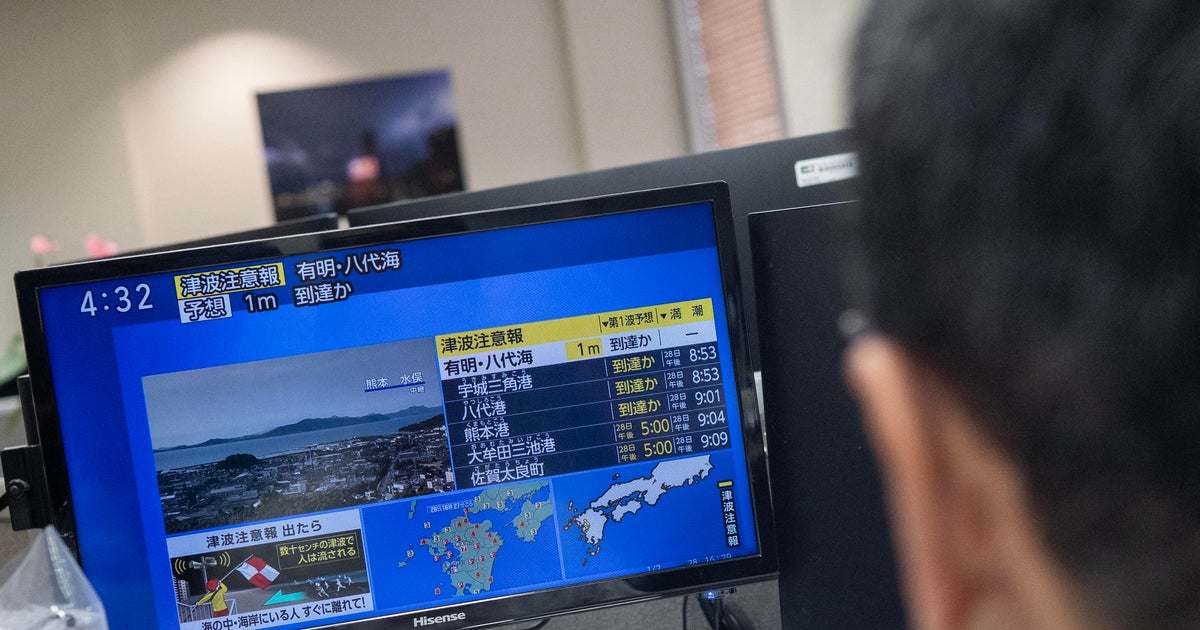
Strong 7.1 magnitude earthquake strikes southern Japan
A powerful 7.1-magnitude earthquake hit southern Japan, disrupting transport but causing no major damage.

Create AI images with your own API key
aixipi runs on desktop/web, uses your own model API balance, and avoids subscription lock-in.
Try aixipi →
With wildfires raging in France and Spain, fire crews race against next heat wave
French authorities ordered nearly 4,000 people evacuated Tuesday from tourist sites on the Atlantic coast as returning heat threatened firefighters' fragile hold on a vast wildfire west of Bordeaux.

Knife attack in Paris thwarted by quick-thinking bystander, witness says
Officials say the motive behind a violent attack on three women in Paris is unclear, but the suspect shouted incoherently after being tackled by bystanders.