
With wildfires raging in France and Spain, fire crews race against next heat wave

French authorities ordered the evacuation of almost 4,000 people from visitor destinations along the Atlantic coast on Tuesday as higher temperatures returned to an area already facing a major wildfire west of Bordeaux. The order underscored how quickly the emergency can shift when heat rises again, even after crews have made enough progress to hold a fire’s advance for a time.
The affected coastal area includes Lege-Cap Ferret, a community on the Atlantic side of southwestern France. It is close to the fire zone west of Bordeaux, where firefighters were continuing their response. The latest departures were directed from tourist locations, putting holiday activity and emergency operations on the same stretch of coast as authorities tried to reduce the danger to people in the area.

The evacuation came after a fire crew was photographed working near Le Las, outside Bordeaux, on Monday, July 27. The scene reflected the continuing pressure on responders before the new order was issued. By Tuesday, the concern was not simply the blaze already on the ground, but whether renewed heat would weaken the limited control firefighters had established.
That sequence makes the new French order more than a local disruption. Crews had secured only a precarious advantage over a fire of major scale, and the forecast return of heat threatened that progress. Moving people from coastal attractions also shows how a fire emergency can reach places better known for seasonal travel, forcing authorities to weigh public access against the need to keep an evolving hazard at a safer distance.
France’s coastal evacuation is part of a much larger wildfire crisis affecting southwestern Europe. Fires in France and Spain have together pushed roughly 330,000 people to evacuate. That figure places the local order near Bordeaux within an emergency whose effects extend well beyond one French department or one Spanish fire front.
Spain, meanwhile, entered its fourth heat wave of the summer while several fires there remained beyond control. The timing has increased the strain on an already severe situation: the country is dealing both with continuing active blazes and another period of intense heat. Among the fires still causing concern is Spain’s biggest wildfire on record.

There are signs of progress in Spain’s firefighting effort, but that improvement has not ended the immediate threat. Several blazes were still uncontrolled as the next heat wave began, a contrast that highlights the uneven nature of wildfire response. Gains in one location do not necessarily mean that crews elsewhere can ease their operations or that evacuated communities can promptly return. The French response faces a similar uncertainty, because the return of heat could test a containment effort that authorities described through their actions as fragile.
For France, the decision to clear nearly 4,000 people from coastal tourist sites shows that authorities were acting before the returning heat could further complicate the fire fight. Evacuations can create distance between residents or visitors and a fast-changing hazard, while also giving emergency services more room to focus on the fire. The measure does not indicate that the wider danger has passed; it reflects caution amid uncertain conditions.
The immediate test for crews in the Bordeaux area will be whether they can preserve their hold on the wildfire as temperatures rise. In Spain, attention will remain on fires that have not yet been brought under control, including the record-scale blaze. Across both countries, the number of people displaced illustrates the human disruption accompanying a crisis that has spread across national borders. What comes next will depend on whether containment efforts can be sustained during renewed heat. Authorities in France have expanded protective measures along the coast, while Spanish responders face a new heat wave with major fires still active. The contrast between partial gains and unresolved blazes will remain central as crews in both countries try to prevent the crisis from widening further.

Source: NPR World
Related articles
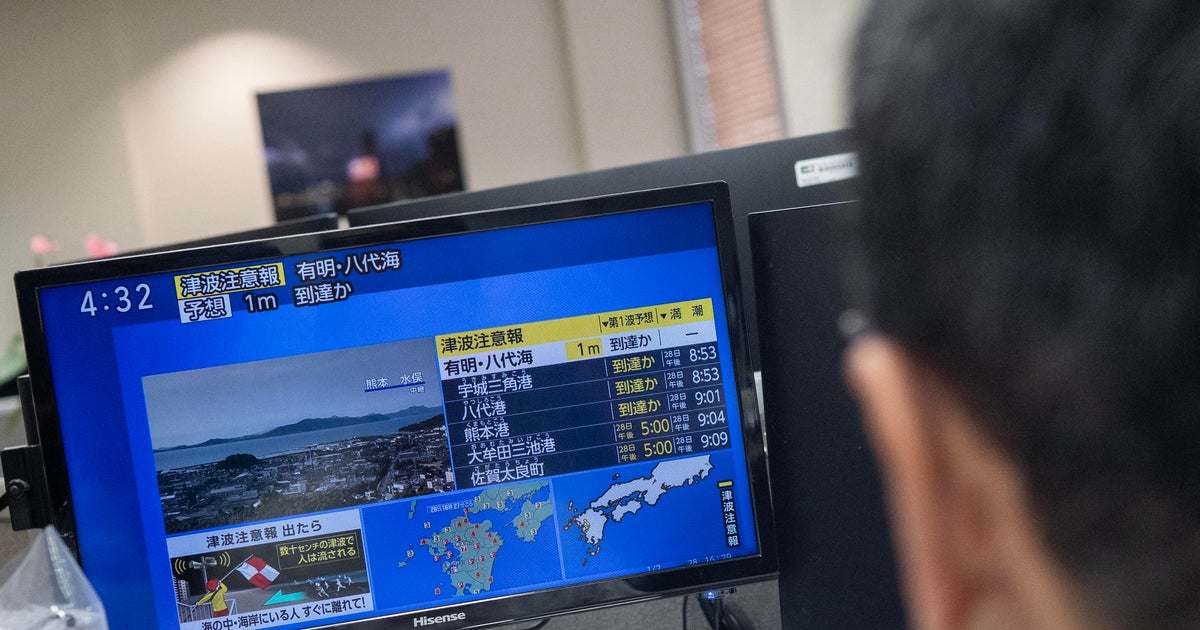
Strong 7.1 magnitude earthquake strikes southern Japan
A powerful 7.1-magnitude earthquake hit southern Japan, disrupting transport but causing no major damage.

Create AI images with your own API key
aixipi runs on desktop/web, uses your own model API balance, and avoids subscription lock-in.
Try aixipi →
Netanyahu to meet Trump in a first encounter since the Iran war began
The meeting comes as both face pressures at home. Netanyahu is up for reelection, embattled in part due to his deteriorating relationship with Trump. Trump is under pressure to end an unpopular war.

Knife attack in Paris thwarted by quick-thinking bystander, witness says
Officials say the motive behind a violent attack on three women in Paris is unclear, but the suspect shouted incoherently after being tackled by bystanders.