
See how Big Tech is transforming Spain's landscape

Across the dry interior of northeastern Spain, a new contest over the physical footprint of artificial intelligence is unfolding. Aragon, a region marked by rugged open country and prolonged drought, is drawing interest from U.S. technology companies seeking places to build data centers. The facilities are intended to support the computing systems behind the AI boom, but their arrival is also set to alter a landscape better known for wide horizons than digital infrastructure.
The change is visible outside Zaragoza and in nearby communities. Earth-moving machinery is reshaping large tracts of ground as developers prepare sites for enormous computing complexes. In Cuarte, excavators were working beside an Amazon data center under construction on Sept. 29. The scene offers a striking contrast with the sparsely developed plains around it, where buildings have long appeared scattered and small against the terrain.

That contrast has historical resonance. George Orwell wrote about this part of Spain after serving here during the Spanish Civil War in the 1930s, describing the distant built environment as modest forms dispersed across the countryside. Nearly a century later, construction crews are cutting into the same broader landscape for projects on a far larger industrial scale, driven not by wartime needs but by the rapid expansion of AI-related computing.
Local officials have authorized dozens of data-center proposals involving major U.S. technology groups and other companies. Taken together, those approvals point to a broad transformation rather than a single isolated development. The decisions place Aragon among the European regions trying to secure a role in the infrastructure supporting AI, even as the facilities themselves require substantial construction and become prominent features of their host areas.
Aragon’s government has made a deliberate case for welcoming the industry. Regional leaders have compared their ambition to Virginia, the U.S. state that has the country’s largest concentration of data centers, and have promoted Aragon as a southern European counterpart. Their calculation is that hosting the facilities can create employment and help position the region for economic changes they expect artificial intelligence to bring.
The regional approach stands apart from a wider debate over how quickly data-center capacity should grow. Some countries are moving to limit or regulate further expansion, while Spain’s national government is considering additional restrictions of its own. That makes Aragon’s open-door policy consequential: it is proceeding with an investment strategy that may test how national oversight and local development goals can coexist.

Water and the environment form an important backdrop to that choice. The region pursuing this development has been affected by drought, meaning the arrival of large technology projects is occurring in an area already defined by pressure on its natural setting. The reporting does not settle the policy debate, but it underscores why the scale and location of the projects have become central questions rather than merely technical details of the AI industry.
Supporters see an opportunity to diversify the regional economy and connect Aragon to a major technological shift. The competing concern is implicit in the setting itself: a rush to build vast facilities can recast rural surroundings, particularly when approvals accumulate across a single region. Spain’s pending national discussion may therefore determine how much room regions retain to pursue such projects on their own terms.
For now, the most immediate evidence lies in the construction zones around Zaragoza, where the ground is being prepared for the next generation of computing infrastructure. What happens next will depend on whether the promised economic benefits materialize, how national policy evolves, and how communities weigh the industrial arrival against the character and environmental constraints of the land around them.

Source: NPR World
Related articles

Zelenskyy accuses Russia of using cluster warheads in deadly strikes
Russia launched the strikes on Ukraine less than a day after negotiations to end the war, which also involved the United States, ended in St. Petersburg.

Create AI images with your own API key
aixipi runs on desktop/web, uses your own model API balance, and avoids subscription lock-in.
Try aixipi →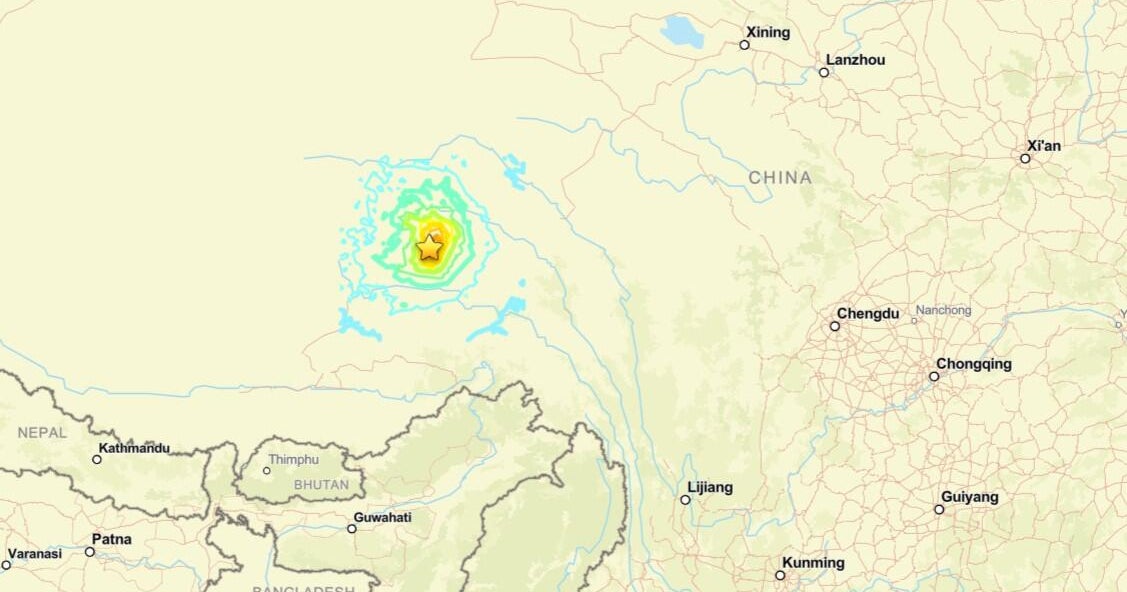
At least 16 dead when powerful 7.0 magnitude earthquake strikes Tibet
It was the biggest earthquake in the region in the last five years, China

Bukele says military operation launched to rescue Salvadorans held by gangs in Haiti
El Salvador's President Nayib Bukele said Wednesday he had launched a military operation to rescue four Salvadoran aviation technicians kidnapped by gangs in Haiti.