
Zelenskyy accuses Russia of using cluster warheads in deadly strikes
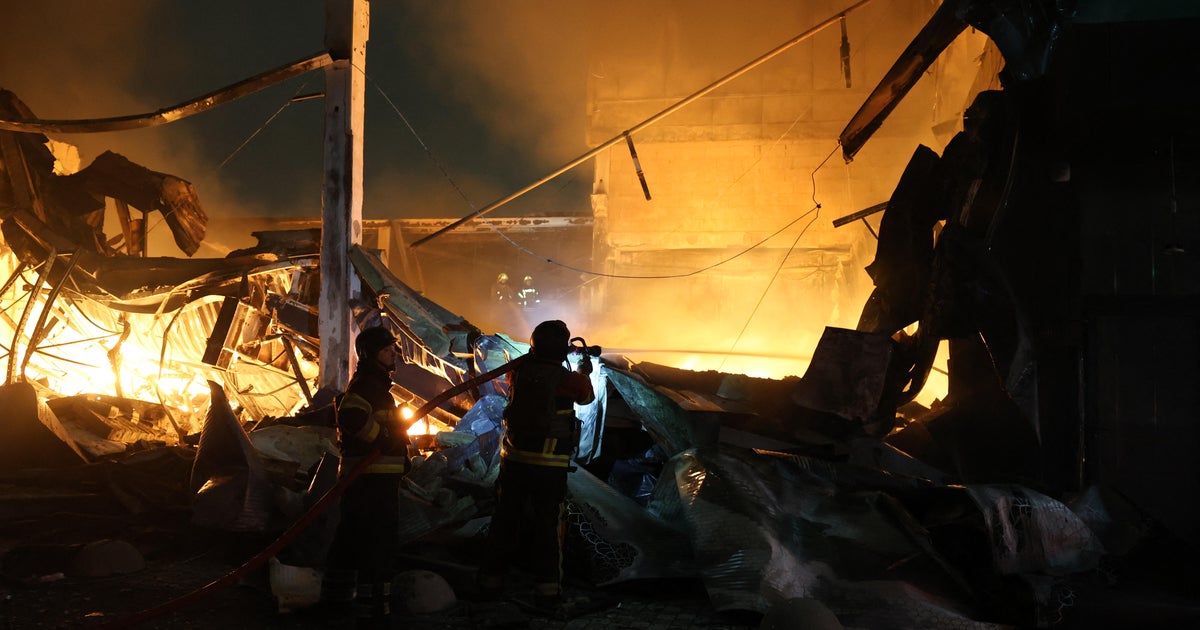
Ukraine said a new wave of Russian attacks killed at least four people and wounded dozens more after President Volodymyr Zelenskyy accused Moscow of firing ballistic missiles carrying cluster warheads at Kyiv. The overnight assault also hit other parts of the country, according to Ukrainian officials, coming soon after talks involving Russia, Ukraine and the United States had concluded in St. Petersburg without a reported breakthrough.
Zelenskyy said the casualty count included 34 people injured, among them five children. Ukraine's foreign ministry reported the deaths. The accounts describe a strike that combined the human cost of a broader aerial campaign with an allegation about the kind of weapon used, an issue likely to draw added scrutiny because of the danger such munitions can pose across a wide area. The figures were reported while the full extent of damage and the circumstances at each affected location were still not set out in the information released by Ukrainian officials.
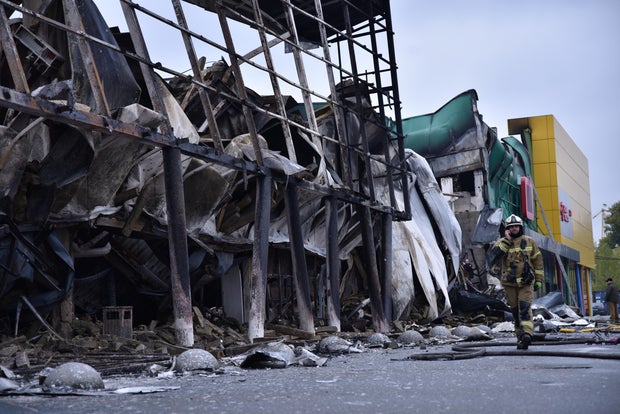
In a post on X on Thursday, Zelenskyy said three ballistic missiles directed at the capital had cluster warheads. He said the warheads burst before reaching their intended target, spreading their effects over an area roughly 400 meters across. That description, if established, would mean people and buildings beyond a single point of impact could have been exposed to the blast.
Cluster weapons disperse smaller explosive elements rather than concentrating their effects at one location. In this case, Zelenskyy's description focused on an airburst close to the target, rather than a conventional explosion on the ground. Ukrainian authorities did not, in the information provided, offer further public detail on the missile type, the specific sites struck, or independent forensic evidence for the allegation. Establishing such a claim would ordinarily require a clearer account of the remnants and strike scene than was included in the initial public statements. Until then, the allegation remains Ukraine's account of the attack.
The attacks followed less than a day after the St. Petersburg discussions on ending the war. The United States took part in those negotiations, underscoring the continuing diplomatic effort around a conflict that has repeatedly seen fighting continue even when contacts are underway. No agreement emerging from the meeting was cited in the accounts of the subsequent strikes. The sequence left no indication, based on the available information, that the meeting had produced an immediate change in the military situation or a pause in attacks.
The timing also placed the violence alongside a separate development involving the United States. Russia released American Stephen Hubbard only hours before Zelenskyy reported the latest casualty figures. U.S. special envoy Steve Witkoff had met Russian President Vladimir Putin and described him as “a humanitarian,” adding a politically sensitive backdrop to Ukraine's allegation and the renewed bombardment.
Kyiv's account is an accusation from Ukraine's leadership, and the available information does not include a response from Russian authorities or an outside verification of the claimed use of cluster warheads. That distinction is significant in a war where accounts of attacks, weapons and targets are often contested, while confirmation can take time amid damaged infrastructure and restricted access to strike locations.
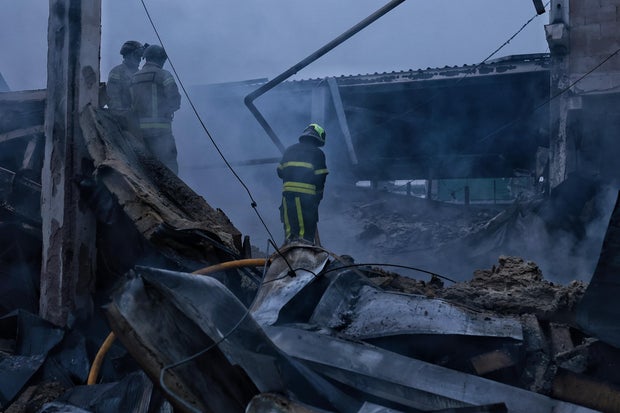
Still, the reported deaths and injuries show how quickly the military situation can intrude on diplomatic activity. Children were among those hurt, according to Zelenskyy, and the reported strikes extended beyond Kyiv. For residents, emergency workers and local authorities, the immediate concern is the toll of the attack; for negotiators, it is another reminder that contacts alone have not halted the risk of escalation. The release of casualty figures alongside the diplomatic developments also means the events will be assessed on two tracks: the immediate humanitarian impact and the prospects for further engagement.
What comes next will depend on whether investigators can establish the circumstances of the strikes and whether the parties involved in the St. Petersburg discussions identify any path back to substantive negotiations. Ukraine is likely to press its case over the alleged warheads and the civilian toll. Russia's position on the accusation, and any further U.S. response following the meeting and Hubbard's release, will be closely watched.
Source: CBS World
Related articles
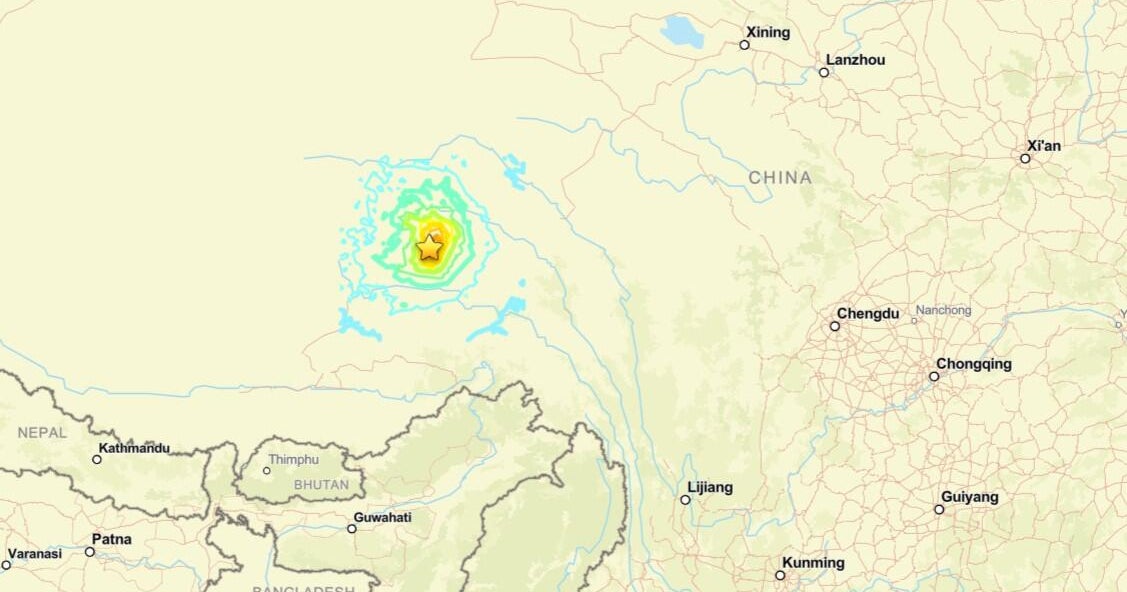
At least 16 dead when powerful 7.0 magnitude earthquake strikes Tibet
It was the biggest earthquake in the region in the last five years, China

Create AI images with your own API key
aixipi runs on desktop/web, uses your own model API balance, and avoids subscription lock-in.
Try aixipi →
See how Big Tech is transforming Spain's landscape
A drought-stricken region of northeast Spain has become a focus for American companies searching for locations to place their data centers.

Bukele says military operation launched to rescue Salvadorans held by gangs in Haiti
El Salvador's President Nayib Bukele said Wednesday he had launched a military operation to rescue four Salvadoran aviation technicians kidnapped by gangs in Haiti.