
South Korea ditches 'denuclearization-first' strategy. What will Pyongyang do next?

South Korea is recasting the order of its nuclear diplomacy with North Korea, placing an immediate halt to further nuclear advances ahead of an early demand for complete disarmament. The change reflects an acknowledgement in Seoul that the old sequence has not produced the result it sought. Yet specialists cited in the underlying report remain doubtful that the adjustment alone will persuade Pyongyang to reopen negotiations, leaving the new approach as much a test of political limits as a new policy direction.
President Lee Jae Myung has described the situation as a “harsh reality,” an assessment that frames the shift. For years, Seoul’s stated objective put full, prompt denuclearization at the front of the agenda. The revised position does not abandon the ultimate aim of a nuclear-free peninsula. Instead, it recognizes that demanding that outcome at the outset may leave little room to address the program North Korea already has or to establish an initial channel for engagement.

Unification Minister Chung Dong-young set out the new emphasis on July 23. He said the government would seek first to freeze North Korea’s existing nuclear activities. Under that approach, Seoul would offer concessions in return for incremental measures, even if those measures fall short of complete elimination of nuclear weapons. The proposal therefore treats a cap on the program as a possible interim objective rather than insisting that every element be dismantled before any reciprocal steps are considered.
The practical significance is in the sequencing. A freeze would focus on stopping further expansion of a program already regarded by Seoul as a central security challenge. Full dismantlement would remain the longer-term destination, but negotiations, if they occurred, could begin with narrower commitments. That can create a more limited basis for discussion, although it also raises a difficult question: whether temporary or partial arrangements could become the endpoint if the sides never move beyond them.
Recent imagery underscores why the issue is so urgent. A photograph released by North Korea’s state authorities showed Kim Jong Un, positioned at the front right of the image, at a newly built site said to produce material used as fuel for nuclear bombs. The visit was dated June 3, 2026, and the location was not identified. Because the image came through North Korean official channels, its contents could not be independently confirmed. Even so, its release highlighted the continued prominence of nuclear production in Pyongyang’s public messaging.

For Seoul, the policy adjustment amounts to an effort to work from present conditions rather than from an immediate final settlement. It could give negotiators a way to exchange steps on a smaller scale and measure whether promises are being carried out. But it also requires North Korea to see value in engagement, and that is the central uncertainty. Analysts’ skepticism reflects the possibility that Pyongyang may have little incentive to return to talks simply because the opening terms have changed.
There are competing ways to view the shift. Supporters of an interim-first strategy can argue that slowing or stopping additional nuclear activity would be more achievable than resolving every disarmament issue at once. Critics may worry that changing the order of priorities could normalize a lasting nuclear status quo or reduce pressure for the eventual goal. Neither outcome is settled by Seoul’s announcement, which is a statement of intended strategy rather than evidence that an agreement has been reached.
What comes next will depend on the response from Pyongyang and on whether the two sides can translate broad ideas into reciprocal, verifiable actions. The immediate signs to watch are whether North Korea signals willingness to discuss a freeze, whether Seoul defines the concessions it could offer, and whether either government identifies a route back to formal contact. Until then, South Korea’s revised posture marks a significant recalibration, but not a breakthrough in relations with its northern neighbor.

Source: NPR World
Related articles

A blaze on an Indonesian passenger ferry leaves at least 5 dead and dozens missing
An Indonesian ferry carrying 271 people has caught fire in waters off Madura island, killing at least five people and leaving 41 others unaccounted for, authorities said

Create AI images with your own API key
aixipi runs on desktop/web, uses your own model API balance, and avoids subscription lock-in.
Try aixipi →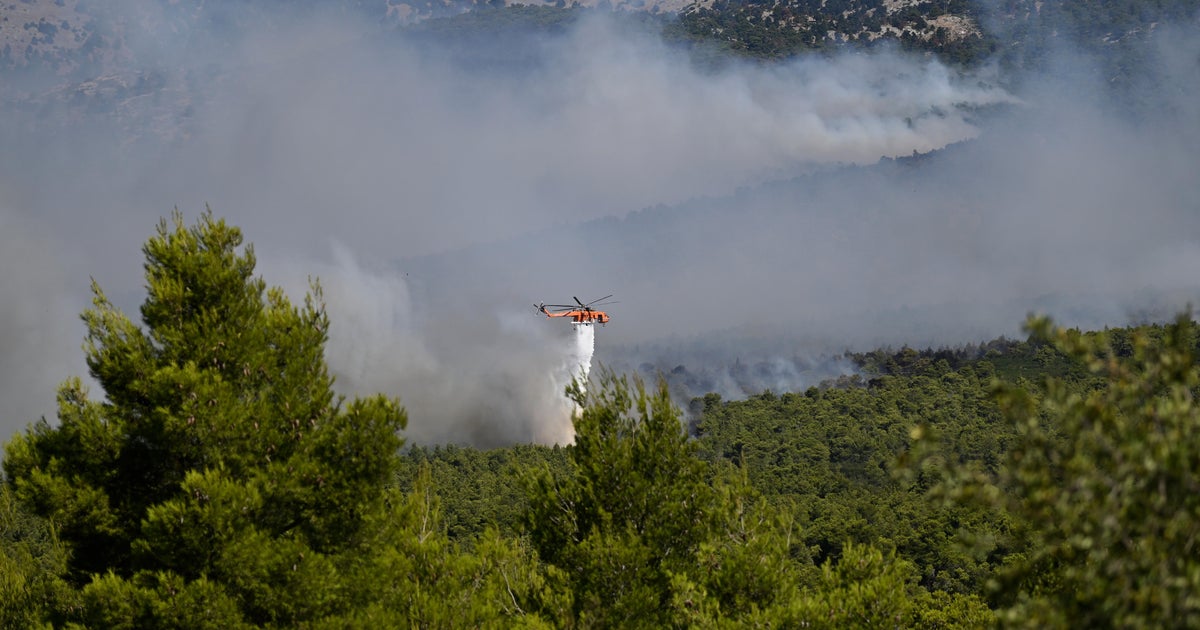
Firefighting helicopters collide in Greece amid European wildfire crisis
The aircraft were Bell helicopters operating over the Psatha area west of Athens, each with a two-person crew.
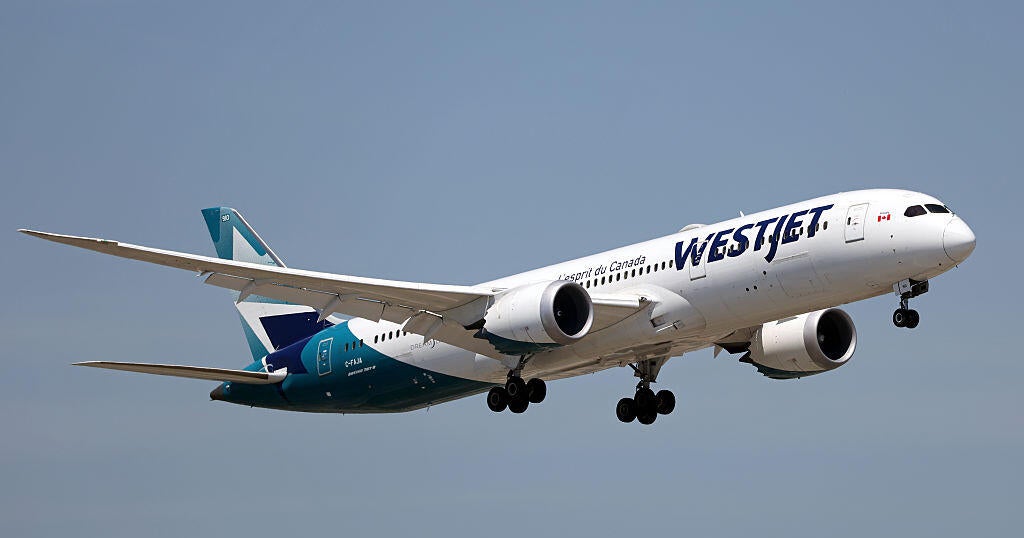
Flights canceled as WestJet flight attendants strike over pay dispute
WestJet canceled more than 300 flights as of early Sunday, snarling travel plans in Canada in the middle of a three-day weekend.