
2 more rescued from debris in Nepal 10 days after devastating floods
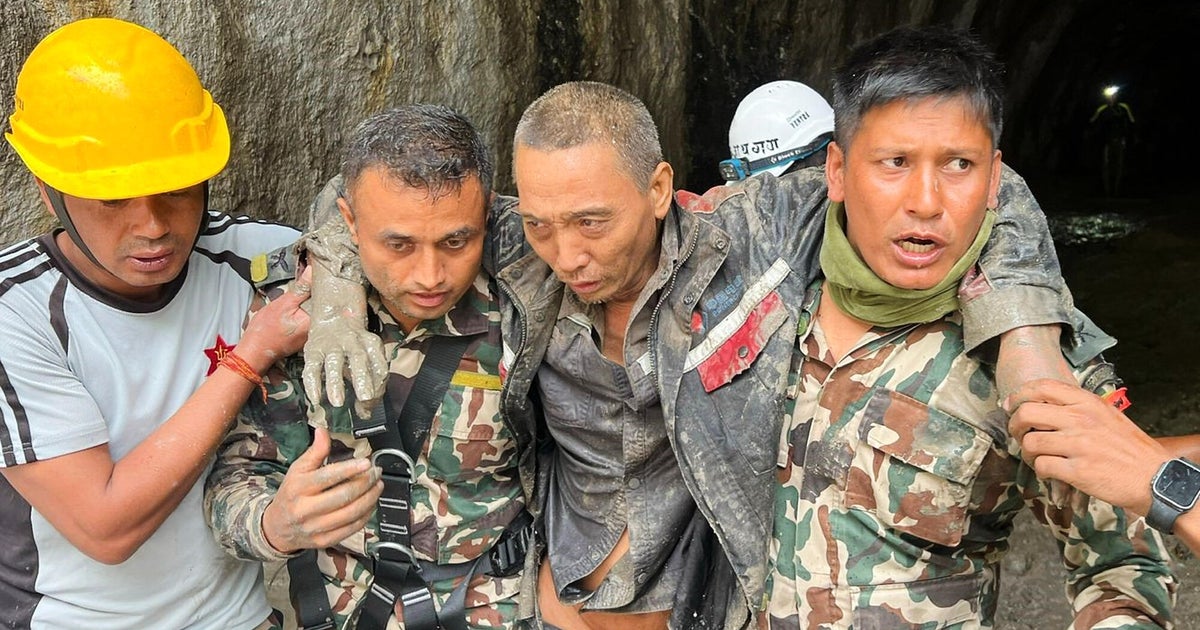
Rescuers in Nepal have located and brought out another worker from a hydropower tunnel, a breakthrough that came 10 days after destructive flooding swept through the country. The man’s recovery was announced Saturday and marked the third known live rescue from the tunnel system at the Trishuli project. The operation offered a rare sign of progress after days in which people trapped underground remained beyond the reach of initial emergency efforts. It also demonstrated that the search had continued well beyond the disaster’s first, most urgent phase.
The latest survivor was removed from a tunnel measuring about 738 feet, Nepal’s army said. A combined team involving Nepali military personnel and disaster specialists from South Korea carried out the mission. Authorities said the man was receiving a medical evaluation after being recovered. Photographs released from the response showed an army medic attending to him aboard a helicopter during his evacuation from the site. The pictures documented both the extraction and the immediate transfer for further care.
His rescue followed the recovery of two Nepali workers on Friday from a tunnel at the Trishuli 3A hydropower plant. Taken together, the three rescues indicate that workers had survived within parts of the hydropower complex despite the scale of the flooding. Officials did not provide further details in the information released Saturday about how long the men had been isolated, their medical conditions, or the conditions inside the tunnel. That lack of detail makes it difficult to assess their recovery prospects from the announcements alone.
The prime minister’s office publicized the newest rescue on social media, identifying the man as a worker linked to the Trishuli hydropower project. The account from the government office and the army’s description of the joint mission established the basic outline of the operation, but left many operational questions unanswered. It was not immediately clear what equipment was used, whether access routes had changed during the search, or how rescue crews made contact with those underground. Authorities also did not describe the timeline that led to Saturday’s successful extraction.
The 10-day interval between the floods and Saturday’s recovery underlines the difficulty of searches in damaged infrastructure. Tunnels are enclosed industrial spaces, and reaching anyone inside can depend on access, stability and the ability of specialized teams to work safely. In this case, Nepal’s military worked alongside South Korean disaster experts, a partnership that points to the technical demands of the effort without establishing how broadly outside assistance was being used elsewhere. The available accounts focus on this one operation rather than a national rescue overview.
For families and colleagues connected to the Trishuli site, the sequence of rescues changed the immediate story from one of uncertainty to evidence that survival had been possible. It also kept attention on workers who may still need to be accounted for. Neither the army nor the prime minister’s office, in the information described Saturday, gave a complete accounting of all personnel associated with the affected tunnel or said whether rescue teams had ended their work there. That distinction matters because a confirmed rescue is not necessarily a declaration that the search is complete.
The announcement therefore carries both encouragement and a clear limitation. Three people have now been brought out alive, but the statements do not establish the wider human impact of the floods or offer a final picture of conditions at the hydropower facility. The images of a helicopter transfer show that the rescue did not end once the man emerged; his health assessment was still underway as he was moved from the scene. Officials had not publicly detailed the findings of that assessment when the rescue was announced.
Attention will now turn to the rescued workers’ medical outcomes and to any official update on remaining search operations at Trishuli. Further information could clarify whether crews have reached all areas affected by the flooding, whether additional people are unaccounted for, and what steps will be taken before the hydropower site can safely resume normal activity. Those questions remain open in the official accounts released so far. For now, officials have confirmed a narrowly defined but significant result: three workers have been found alive in the aftermath of Nepal’s floods.
Source: CBS World
Related articles
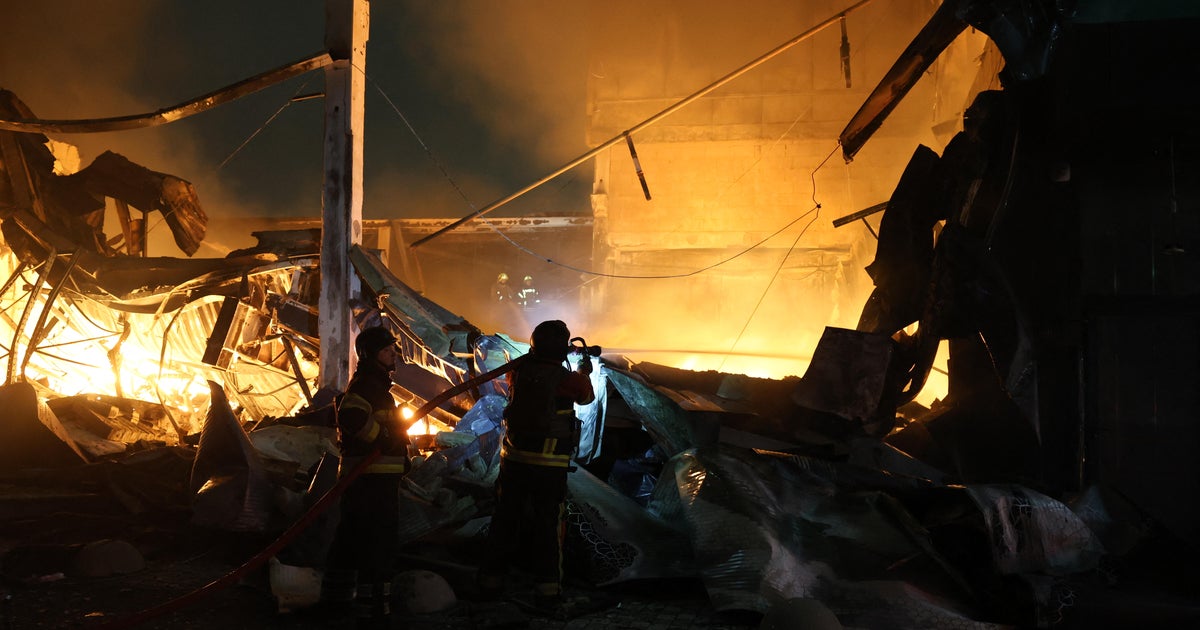
Zelenskyy accuses Russia of using cluster warheads in deadly strikes
Russia launched the strikes on Ukraine less than a day after negotiations to end the war, which also involved the United States, ended in St. Petersburg.

Create AI images with your own API key
aixipi runs on desktop/web, uses your own model API balance, and avoids subscription lock-in.
Try aixipi →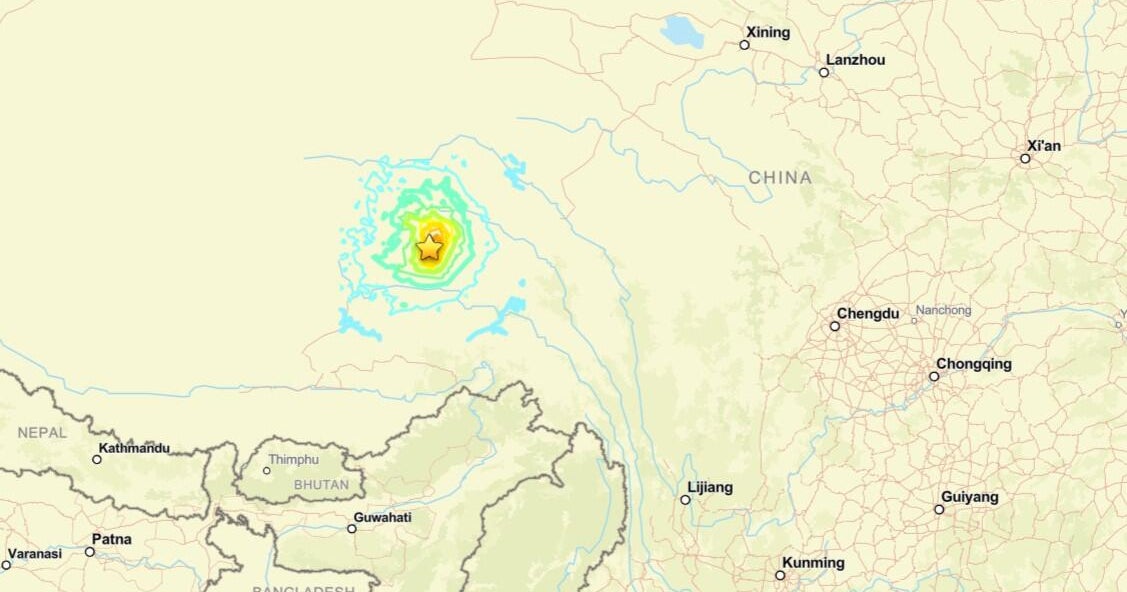
At least 16 dead when powerful 7.0 magnitude earthquake strikes Tibet
It was the biggest earthquake in the region in the last five years, China

See how Big Tech is transforming Spain's landscape
A drought-stricken region of northeast Spain has become a focus for American companies searching for locations to place their data centers.