
2 Nepal workers rescued from tunnel 9 days after floods; more voices heard
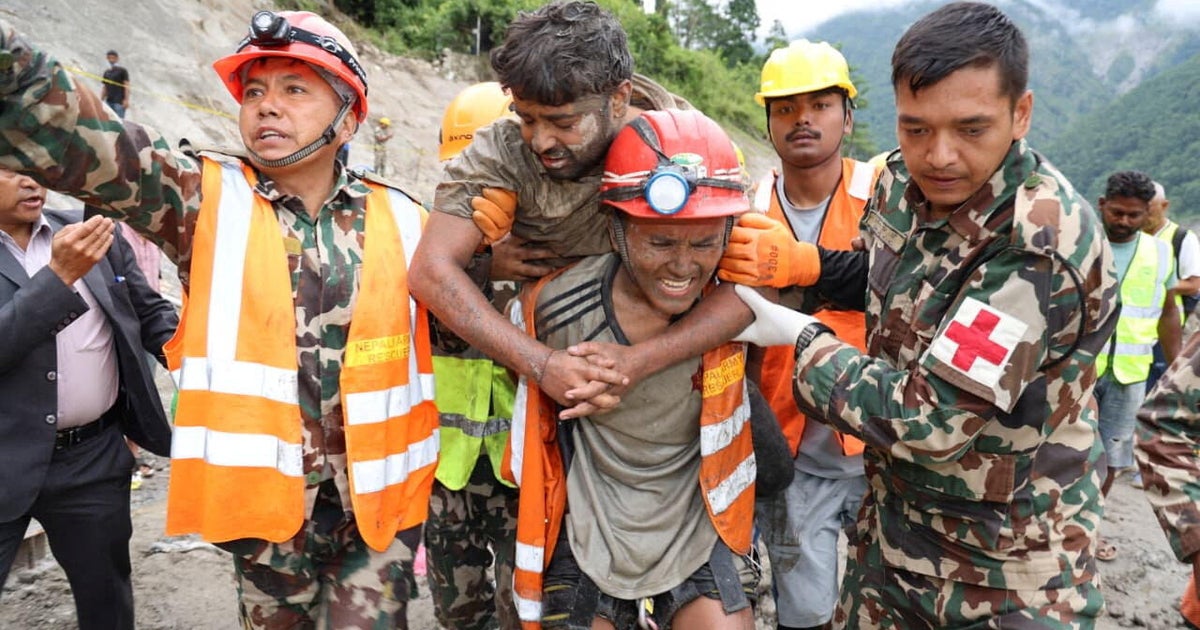
Two hydropower employees have been brought out alive from a tunnel in Nepal, nine days after severe flooding buried and inundated parts of the site. The rescue on Friday gave emergency crews a rare breakthrough in a disaster that has devastated communities across the country and left officials searching for other people who may still be inside the underground structure.
The men were recovered from the Trishuli 3A tunnel, according to officials. Their survival after such a long period underground has intensified the operation rather than ended it: teams are continuing to work through the tunnel in an attempt to reach additional workers thought to be trapped beyond the areas they have been able to access. The recovery has provided concrete evidence that people could have endured conditions inside the flooded passage.
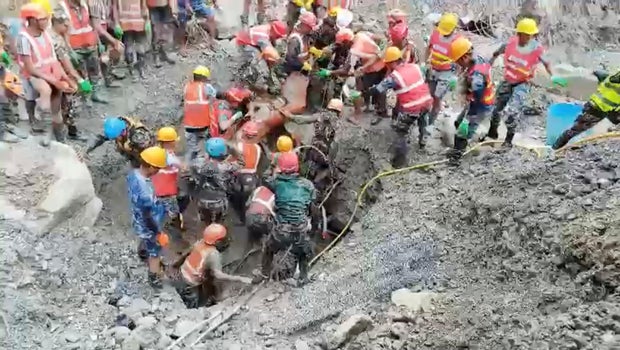
There are indications that the two rescues may not be the last. Rescue personnel have detected voices from farther within the tunnel, raising the possibility that other survivors remain alive. The number of people who may be present has not been confirmed, but the reports have given crews a reason to keep pressing ahead despite the elapsed time and the difficult conditions. Officials have not said how close those voices are to reachable sections of the site.
The tunnel was overwhelmed during last week’s catastrophe, when mud covered parts of the structure and floodwater filled it. Those conditions help explain both the urgency and the complexity of the search. Any remaining route into the interior must be assessed while responders try to locate people whose position and condition are still uncertain. Mud, water and blocked areas can limit access, meaning the operation is not simply a matter of reaching the tunnel entrance.
The flooding struck after what authorities believe may have been a glacier collapse. The suspected cause remains an assessment rather than a final account of how the disaster unfolded. What is clear is that the event tore through towns and carried away villages, turning a localized emergency at a power project into part of a far broader national disaster.
Nepal’s overall death toll from the floods has exceeded 1,200, underscoring the scale of destruction outside the tunnel as well as within it. The figure places the rescue effort against a wider emergency in which communities have suffered major losses. The Trishuli 3A operation is therefore one of many consequences of the flooding, but it carries a distinct urgency because signs of life have been reported from inside.
Friday’s outcome offers a measure of hope for families awaiting information about those missing at the site. It also illustrates that survival can remain possible after an initially chaotic disaster, particularly when contact from inside can be detected. Still, the voices heard underground are not, by themselves, confirmation of how many people are alive or how quickly they can be reached.
For emergency planners, the immediate task is to turn that sign of life into a safe, sustained rescue effort. The tunnel’s mud and standing water are central obstacles, and the operation will depend on crews gaining reliable access to deeper sections without worsening the hazards facing trapped workers or responders. Officials have not said when another recovery might be possible, leaving the timing of any further breakthrough uncertain.
The rescue has shifted attention back to the human consequences of a flood emergency that has already caused enormous losses in Nepal. While the nationwide toll reflects deaths and damage across affected settlements, the tunnel operation is a separate, time-sensitive search in which each new sound from inside could guide the next decision. Authorities and rescue teams are expected to continue looking for survivors, but whether those voices lead them to more people remains unresolved.
Source: CBS World
Related articles
Zelenskyy accuses Russia of using cluster warheads in deadly strikes
Russia launched the strikes on Ukraine less than a day after negotiations to end the war, which also involved the United States, ended in St. Petersburg.

Create AI images with your own API key
aixipi runs on desktop/web, uses your own model API balance, and avoids subscription lock-in.
Try aixipi →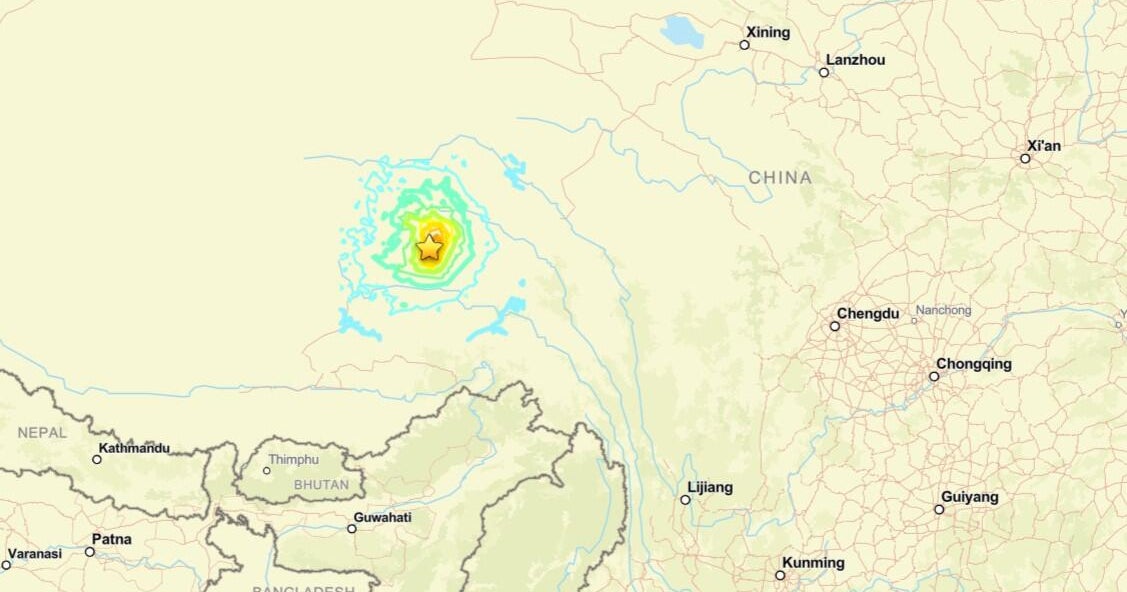
At least 16 dead when powerful 7.0 magnitude earthquake strikes Tibet
It was the biggest earthquake in the region in the last five years, China

See how Big Tech is transforming Spain's landscape
A drought-stricken region of northeast Spain has become a focus for American companies searching for locations to place their data centers.